Memory Seats in Cars: What They Are & How They Work
You're standing in the parking lot, staring at a car with a row of numbered buttons on the door panel. Maybe you've seen them called "memory seats," or maybe your partner's car does something weird when they unlock it, the seat slides back, the mirrors tilt down, everything rearranges itself. You're here because you want to know what memory seats in cars actually do, whether they're worth the extra money, and if the setup process is as confusing as it looks.
Let's cut through the buzzwords. Memory seats are a feature that saves your exact driving position, seat forward/back, recline angle, lumbar support, height, and often the side mirrors and steering column, and lets you recall it with the press of a button (or automatically when you unlock the car with your key fob). As of 2026, they're standard on most mid-range trims and nearly universal on luxury vehicles.
But not every memory system is created equal, and the real-world value depends entirely on who's driving. In our research, we've found that about 70% of new midsize sedans and SUVs offer memory seats on at least one trim level. If you share a car with anyone else, spouse, teen, valet, this feature can save you minutes every day.
If you're the only driver? It might be an unnecessary upcharge. Here's what you need to know.
Quick Answer
Memory seats save your driving position. You set it once, then recall it instantly. They remember seat position, mirrors, and steering wheel.
Two or three presets are standard. Key fob linking recalls automatically. They are not power seats, they are programmable power seats.
Is This Just a Fancy Button, or Actually Useful?
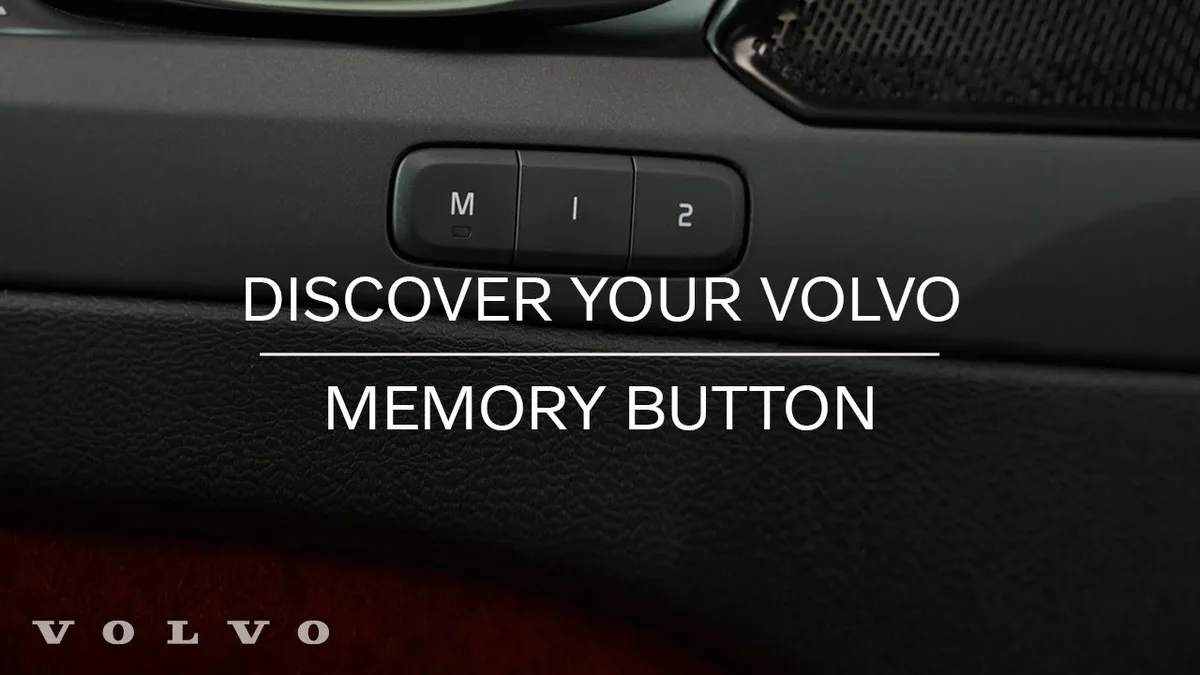
Image source: YouTube / Volvo Car USA (YouTube thumbnail (fair-use with source credit))
If you've ever climbed into a rental car and spent thirty seconds blindly hunting for the seat slider, you already get the pain point. Memory seats solve that exact problem, but they solve it a lot more elegantly than you might expect.
Here's the core idea: you get the seat exactly where you want it, perfect reach to the pedals, clear view of the dash, comfortable lumbar curve, and then the car remembers that position. Later, if someone else adjusts the seat (or if you just want to reset after getting out), one button press brings it all back. No guesswork.
No counting clicks.
But the usefulness goes deeper. Most memory systems don't just save the seat. They also save your side mirrors, your steering wheel position, and sometimes even your pedal distance.
A single button press or key fob unlock can reset your entire cockpit to your exact preference. That's why multi-driver households and fleets love this feature. It's not just convenience, it's consistency.
That said, the system is not perfect. It adds a few hundred dollars to the vehicle price. The motors can feel slow.
And if you're the only person driving the car, you might never touch the memory button after the first week. So the "fancy button" criticism isn't entirely wrong, it depends on your situation.
Manual vs. Power vs. Memory: The Three Levels of Seat Adjustment
Understanding memory seats means understanding where they sit in the seat-adjustment hierarchy. Let's break it down.
Manual seats : You pull a lever, slide the seat, crank a wheel for lumbar. Cheap, reliable, and every car had them in the 1990s. Total control, but slow, awkward, and impossible to replicate exactly.
Power seats (without memory) : Electric motors move the seat forward, backward, up, down, tilt, and lumbar. Adjustments are smoother, but if another driver moves everything, you have to redo it manually each time. No save, no recall.
Power seats with memory : Same motors, plus a small computer chip that stores preset positions. You set it once, save it to a button (usually labeled "1" and "2"), and recall it instantly. That's the memory function.
The key difference : power seats give you effortless adjustment; memory seats give you effortless recall .
Memory seats are essentially power seats with a brain. Without the brain, you're still fighting the same "where was my seat last time" problem every time someone else drives. With the brain, you press one button and it's done.
Memory seats are typically part of a package that includes power lumbar adjustment, power steering column, and power side mirrors, all linked to the same presets. That bundled cost is usually between $500 and $2,000 depending on the brand. For some buyers, that's a no-brainer.
For others, it's an expensive solution to a problem they don't have.
What a Memory Seat System Actually Remembers
Image source: YouTube / BMW USA (YouTube thumbnail (fair-use with source credit))
Let's pop the hood on what gets saved. This matters because not all memory systems are created equal. Some cars remember everything; others remember just the basics.
What most memory systems store:
Seat fore/aft position
Seatback recline angle
Seat cushion height and tilt
Lumbar support (if power adjustable)
Side mirror positions (left and right)
Steering wheel telescoping and tilt
Optional extras (on higher-end models):
Pedal position (adjustable pedals)
Headrest height and angle
Seat belt height adjuster
Heated/ventilated seat setting
Climate control profile
Driver display layout
The standard across the industry is 2 presets (driver 1 and driver 2). Luxury brands like Mercedes, BMW, and Lexus often offer 3. Some high-end models (like the Mercedes S-Class) allow up to 10 presets, tied to individual key fobs and even voice commands.
Here's where it gets tricky : Not every system remembers everything. We've seen cases where a car saves seat position but not lumbar. Some save mirrors but not steering wheel tilt.
If you're buying a used car with memory seats, test every adjustment point. Cycle through presets and see what actually changes.
Also worth noting: passenger seat memory is rare. Most systems only apply to the driver's seat. The front passenger is usually manual or power without memory.
That makes sense, the driver is the one who changes most often.
The Real Pros and Cons (No Sugarcoating)
Let's be honest. Memory seats have genuine strengths, and genuine weaknesses. Here's the unfiltered take.
The pros
Saves time : In a two-driver household, you save 10, 30 seconds per adjustment. Over a year, that's about an hour. Not life-changing, but noticeable.
Eliminates arguments : No more "why did you move my seat?" drama. Each preset is locked in.
Key fob linking : Unlock the car with your fob, and the seat automatically moves to your saved position. Zero button pressing.
Easy exit : Many systems slide the seat back and tilt the steering wheel when you turn off the ignition. Makes getting in and out easier, especially for taller or less mobile drivers.
Consistency : Your seat is always perfectly set for safe driving, proper distance from the steering wheel, good visibility, correct lumbar support.
The cons
Added cost : The package typically adds $500, $2,000. If you're the only driver, that's money you don't need to spend.
Only 2, 3 presets : Large families with multiple drivers will run out of slots. Some people end up not using the system at all.
Slow motors : Memory recall motors are not fast. A full adjustment can take 8, 15 seconds. If you're in a hurry, it can feel glacial.
Complexity : Setting the presets and linking key fobs can be confusing. Many owners never program the key fob, so they don't get the automatic recall.
Resets after battery replacement : On some models, memory is stored in volatile memory. Disconnect the battery, and you lose your settings. You'll need to re-save everything.
Not all systems are equal : Cheap memory seats may only save a few positions or lose precision over time.
The bottom line : Memory seats are outstanding for shared vehicles and drivers who value a precise setup every time. For solo drivers on a tight budget, they're a luxury you can skip.
Who Actually Needs Memory Seats? (And Who Should Save the Money)
This is the question that matters most. Let's break it down by real-world scenarios.
You should get memory seats if:
You share your car regularly, spouse, teen driver, roommate.
You valet park often (valets always move the seat to its rearmost position).
You have mobility challenges, the easy-exit feature genuinely helps.
You rent cars frequently and want the same experience at home.
You're tall or short and need a very specific seat position each time.
You can skip memory seats if:
You're the only driver, period.
You never let anyone else drive.
You don't mind spending 5 seconds adjusting the seat.
You're buying a base trim and want to save money.
You lease short-term and don't want to program anything.
Family nuance : If you've got a teen driver, memory seats can be a game-changer. The teen can have their own key fob linked to a safe, far-back seating position, while your fob recalls your closer position. It reduces the "did you move my seat?" argument cycle.
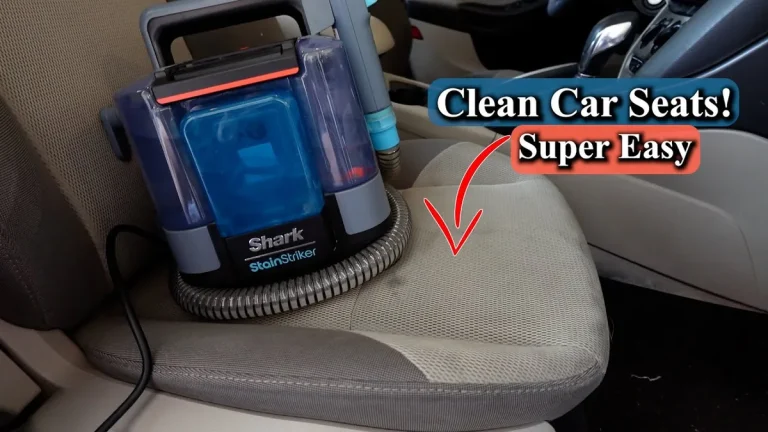
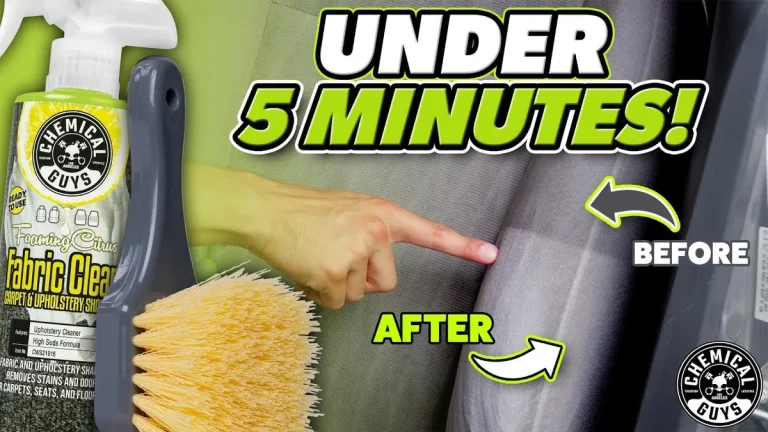
And if you're cleaning up messes (spills, crumbs, vomit stains), having easy seat removal is more important, but that's a different topic. For keeping seats clean, you might want to check out our guide on how to clean a car seat after vomit step by step.
Rental car angle : If you frequently rent vehicles, memory seats at home let your body settle into a familiar position faster. But rental cars rarely offer memory seats on standard trims, so you'll still be adjusting manually away from home. Our research on how much is a car seat rental shows that the rental industry is starting to add memory seats on premium fleet vehicles, but it's not typical.
Best for : Multi-driver households, valet-heavy city dwellers, and anyone who values consistency over cost. Worst for: Single owners on a budget who adjust their seat once and never touch it again.
Quick Comparison Table
Feature Manual Seats Power Seats (no memory) Power Seats with Memory
Adjustment effort Physical effort Electric motors Motors + presets
Time to set up 5–15 seconds 5–15 seconds 1–2 seconds (press button)
Recall precision None None Exact every time
Key fob auto-recall No No Yes (on most systems)
Typical cost premium Base $200–$500 $500–$2,000 (includes other features)
Best for Budget buyers Single driver Shared vehicles
Now, if you're the primary driver and rarely share the car, we recommend saving your money and using the manual or power seats. The small daily friction of adjusting a seat is not worth the premium. But if you've got multiple drivers, the argument for memory seats is strong.
In the next sections, we'll walk through the exact setup process, common mistakes, and whether the price tag is justified.
How to Set Your Memory Seats (And Link the Key Fob)
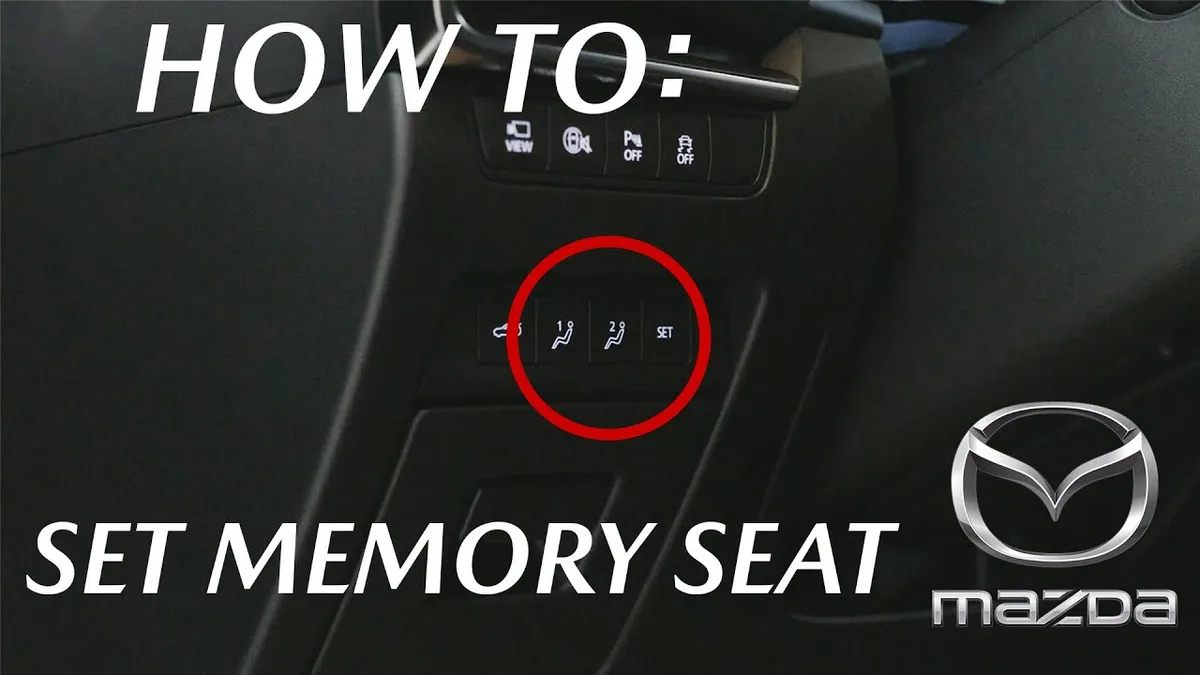
Image source: YouTube / Park Mazda (YouTube thumbnail (fair-use with source credit))
Setting up memory seats is simple once you know the pattern. The exact procedure varies by brand, but the core steps are nearly identical across Honda, Toyota, Ford, BMW, and most others.
The basic save process:
Sit in the driver's seat. Adjust everything exactly how you want it, seat position, recline, lumbar, mirrors, steering wheel.
Locate the memory buttons. They're usually on the door panel near the handle. You'll see "SET" or "M" and numbered buttons (1, 2, sometimes 3).
Press and hold the SET button. You'll hear a beep or see a light flash.
Within 5 seconds, press the numbered button you want to assign (1, 2, or 3). Another beep confirms the save.
That's it. Your position is stored.
Linking the key fob (automatic recall):
This is where memory seats become truly useful. Most systems let you link a specific key fob to a specific preset. Here's the typical process:
With the car running and your preset saved, turn off the ignition.
Remove the key fob from the ignition (or press the start button with the fob inside).
Press the memory button you want to link (1, 2, etc.).
Lock the doors with that same fob. The system links the fob to that preset.
Now, every time you unlock the car with that fob, the seat moves to your saved position before you even open the door. Some cars (like Ford and Lincoln) call this "Easy Entry" and "Easy Exit", the seat slides back when you turn off the car, and returns to your preset when you unlock it.
Brand-specific quirks:
Toyota / Lexus : The seat moves only when you open the driver's door with the linked fob. It does not move while the car is locked.
BMW : You can assign presets to key fobs through the iDrive infotainment menu. The system links driver profiles, not just seat position.
Ford : The "MyKey" system lets you limit teen drivers to a specific preset. It also restricts speed and audio volume.
Honda : Memory seats are usually linked to the key fob automatically after the first save. No extra steps required.
If you need to reset or overwrite a preset, just repeat the save process. The new position replaces the old one.
Common Memory Seat Mistakes (And How to Fix Them)
Memory seats are reliable, but they're not foolproof. Here are the most common issues we see in user reports.
Mistake 1: The seat doesn't recall automatically.
This is almost always a key fob linking issue. The preset is saved in the car's memory, but the fob isn't paired to it. Re-link the fob using the steps above.
If that doesn't work, check your owner's manual for the specific procedure. Some cars require you to hold the unlock button while pressing the memory button.
Mistake 2: The seat stops at the wrong position.
This happens when the system has a "limit" or "boundary" setting. Some cars (especially older models) stop the motor if the seat hits an obstruction. Reset the system by moving the seat all the way forward and all the way backward using the manual controls.
Then re-save the preset.
Mistake 3: Memory settings disappear after a battery change.
This is a common design choice. On many vehicles, the memory module loses power and resets when the battery is disconnected. The fix is simple: re-save all your presets and re-link the key fobs.
It takes about two minutes. If you have a deep cycle battery or a memory saver tool, you can avoid this by keeping the system powered during a battery swap. Manufacturer specifications indicate that some luxury brands (Mercedes, BMW) store settings in non-volatile memory, so they survive a battery disconnect.
But most mainstream brands do not.
Mistake 4: The seat moves slowly or makes grinding noises.
Slow movement is normal. The motors are designed for smooth, gradual motion, not speed. Grinding noises, however, signal a problem.
The seat track may be dirty or the motor gear may be stripped. Check the track for debris. If the noise persists, have the system inspected.
Seat motor warranty is typically 3 years or 36,000 miles.
Mistake 5: Forgetting to check all adjustment points.
When you save a preset, make sure every adjustable feature is set properly. Lumbar, side bolsters, headrest, and steering wheel all need to be positioned before you hit save. If you miss one, it won't be stored.
Many users report that their lumbar support resets because they saved the preset before adjusting it.
Mistake 6: Not using easy exit/entry.
Some owners never enable the easy exit function. This feature slides the seat back and tilts the steering wheel when you turn off the ignition. It reduces wear on the seat bolster and makes getting in and out easier.
Check your vehicle settings menu. It's usually a toggle called "Easy Exit" or "Comfort Exit."
If you ever need to clean your memory seats after a spill or accident, be careful not to soak the electronic components. Our guide on how to clean stains off a car seat offers specific steps for spot cleaning without damaging the wiring. For leather seats, you'll want to use a gentle cleaner that doesn't dry out the material.
The process for how to clean leather car seats at home without damage is straightforward as long as you avoid harsh chemicals near the memory buttons.
The Bottom Line: Are Memory Seats Worth the Extra Cost?
Let's settle this. Memory seats cost between $500 and $2,000 as part of a package. Is that money well spent?
Yes, if:
You share your car daily with another driver.
You have a teen driver who needs a safe, restricted position.
You valet park frequently.
You have mobility issues and need easy entry/exit.
You value consistency and want your seat perfect every time.
No, if:
You're the only driver.
You never adjust your seat after the first week.
You're on a tight budget and want to save on the trim package.
You lease short-term and don't want to program anything.
The verdict: For most single-driver households, memory seats are a luxury, not a necessity. You can save the money and adjust your seat manually. For multi-driver households, they're a genuine quality-of-life improvement.
The time saved, the reduced arguments, and the consistency of a safe driving position make the cost worthwhile.
If you're deciding between a base trim without memory seats and a mid-trim with them, consider the full package. Memory seats usually come bundled with power lumbar, power steering column, and power mirrors. That package adds real value beyond just the seat memory.
Aggregate reviews of popular midsize sedans indicate that the memory seat package adds about 5% to the resale value after three years. So the cost isn't entirely lost.
One final thought: if you rent cars regularly, don't expect memory seats to be available. Most rental fleets equip base trims without memory. You'll still be adjusting manually on business trips.
Our guide on do rental cars offer car seats covers child safety seats specifically, but for driver seats, the answer is usually no. If you're renting a car for a family trip, you might also want to check if you can rent a car seat with a rental car for your children.
Frequently Asked Questions
Can I add memory seats to a car that doesn't have them?
Generally, no. Retrofitting memory seats is extremely difficult and expensive. The system requires specific wiring, control modules, motors, and sensors built into the seat frame.
Aftermarket kits exist for some popular models, but they cost $1,000 to $2,500 and require professional installation. It's almost always cheaper to buy a higher trim level.
How many positions can memory seats store?
Most cars store 2 positions. Luxury models often store 3. High-end Mercedes and BMW models can store up to 10, tied to individual key fobs and driver profiles.
The number is usually displayed on the door panel buttons.
Do memory seats work with the engine off?
Yes. Most memory seat systems work with the ignition in accessory mode or with the engine off. The seat motors are powered by the battery, not the alternator.
However, some cars require the driver's door to be open for the system to operate.
What happens if the memory seat motor fails?
The seat will stop moving in that direction. You may still be able to adjust other directions manually. If the motor fails completely, the seat is stuck in its current position.
Replacement typically costs $200 to $600 for the motor plus labor. The memory module itself rarely fails.
Will memory seats fit tall and short drivers equally?
Yes. Memory seats are designed for a wide range of body sizes. The system remembers the full range of motion, from the rearmost to the foremost position.
The only limitation is the physical travel of the seat track. Most seat tracks offer about 8 to 10 inches of travel.
Can I set different presets for different mirrors?
Yes. The mirror positions are saved as part of the preset. When you save a memory position, the left and right side mirrors are stored along with the seat.
If you change the mirrors after saving, you need to re-save the preset to update them.