What Age to Face Car Seat Forward
What Age to Face Car Seat Forward
Few decisions in the early parenting years feel as loaded as knowing what age to face a car seat forward. It's a choice that weighs convenience against safety, and the stakes couldn't be higher. Every parent wants to get it right, but the guidelines can feel confusing.
The American Academy of Pediatrics recommends keeping children rear-facing until at least age 2, and ideally until they reach the maximum height or weight limit of their car seat. As of 2026, many convertible seats allow rear-facing up to 40 or even 50 pounds. Let's walk through what the research says and how to make the call for your child.
Quick Answer
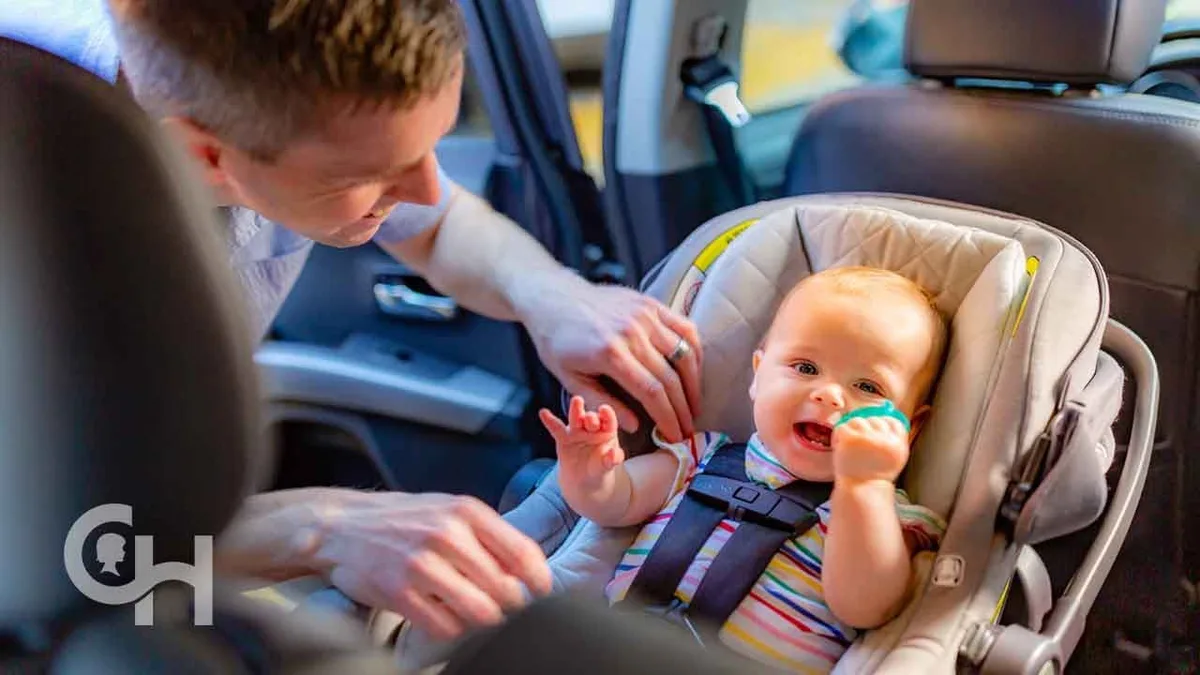
Keep your child rear-facing until they outgrow the seat's limits. That usually means age 3 or 4. Turning them earlier increases injury risk.
Check your car seat label for exact weight and height maximums. The safest answer is simple: wait as long as the seat allows.
Why This Decision Feels So Stressful
You're not alone if this question keeps you up at night. The pressure to turn the seat comes from all sides. Your toddler's legs are pressed against the back seat.
They fuss on every drive. A well-meaning relative says "my kid was fine forward-facing at 18 months."
It's easy to feel like you're doing something wrong by keeping them rear-facing.
But here's the truth: that discomfort is a feature, not a bug. The rear-facing position is designed to cradle the head, neck, and spine in a crash. A child's vertebrae are still largely cartilage, not solid bone.
The ossification process, where cartilage turns to bone, continues through early childhood. That's why the rear-facing position matters so much.
The stress you feel is your protective instinct working. The research backs it up. And the short-term inconvenience of a fussy toddler is nothing compared to the long-term safety gains.
What the Science Says About Rear-Facing vs Forward-Facing
This is where the data gets really clear. In a front-impact crash, the most common and dangerous type, a rear-facing child's head, neck, and spine are pushed into the car seat shell. The crash forces spread across the entire back of the seat.
The head and neck barely move.
In a forward-facing position, the harness holds the torso but the head snaps forward. For a young child, that's a recipe for serious spinal cord injury.

Studies show that children under age 2 are up to 75 percent less likely to die or be severely injured in a crash when riding rear-facing. The National Highway Traffic Safety Administration (NHTSA) and the AAP both agree: rear-facing is the safest position for as long as the seat allows. The science isn't new.
It's been well established for decades. The challenge is that many parents still don't know the full picture.
The real question isn't "when can I turn them?" It's "why would I turn them before I have to?"
The Real Dangers of Turning Your Child Around Too Soon
Turning a child forward-facing before their body is ready puts them at risk for something called "internal decapitation." It sounds dramatic because it is. In a crash, the head of a forward-facing toddler can whip forward with enough force to separate the spinal cord from the brain stem. The skull is heavy relative to the body.
The neck muscles are weak. The vertebrae haven't fully fused.
This is not a rare, freak accident scenario. It's the leading cause of death and serious injury in forward-facing children under age 4.
The danger is highest in frontal crashes, but side impacts are also worse for forward-facing kids. The seat offers less protection to the head and neck when the child is facing the front. Even lower-speed crashes can cause devastating injuries.
A 30 mph crash can generate forces that a toddler's neck simply cannot handle in a forward-facing position.
The risks are real. They are well documented. And they are almost entirely preventable by keeping the seat rear-facing.
How to Know When Your Child Actually Outgrows Rear-Facing
This is the most practical section of the article, so let's get specific. Your child is ready to move forward-facing only when they exceed the rear-facing limits of their specific car seat. Not before.
Not because of a birthday.
Checking the Car Seat Label: Weight and Height Limits
Every car seat has a sticker on the side that lists the rear-facing weight and height limits. These are the hard numbers. Do not guess.
Do not rely on memory. Look at the sticker. The weight limit is usually between 35 and 50 pounds, depending on the model.
The height limit is typically between 40 and 49 inches.
Some seats also have a "one-inch rule" for the top of the child's head. If the top of the child's head is less than one inch from the top of the car seat shell, the seat is outgrown rear-facing, even if the weight limit hasn't been reached. This is because the head needs the shell above it for protection in a crash.
Measuring Your Child Correctly
Weigh your child on a bathroom scale. Hold them, weigh yourself, subtract. Do it without shoes and in light clothing.
Measure height against a wall with a book on top of the head. Mark the wall, measure with a tape measure. Do not rely on the height chart at the pediatrician's office.
Those measurements are often off by an inch or more.
If your child is close to the limits, check every month. Kids grow in spurts. You might have more time than you think.
Or less. The label is the final authority.
Weighing the Pros and Cons of Extended Rear-Facing
Let's be honest. Extended rear-facing isn't always easy. But understanding the trade-offs makes the decision clearer.
The Benefits of Staying Rear-Facing Longer
The biggest benefit is safety. By a wide margin. Rear-facing children are dramatically safer in every type of crash.
The seat does the work. The child's body is not fighting the forces of impact. Beyond safety, there are smaller perks.
The child can sleep more comfortably because their head is supported. They can't reach the door handles or the radio. They can't kick the front seat or the driver.
Some parents find that rear-facing kids are actually calmer on long drives because they are less overstimulated by the passing scenery.
Common Concerns (Legs Touching, Motion Sickness, Fussiness)
Let's address the big one. Your child's legs touching the back of the vehicle seat is not a problem. It is not dangerous.
It is not uncomfortable for them. Children are flexible. They sit cross-legged, they dangle their legs, they put their feet on the seat.
They do not care. The risk of leg injury in a forward-facing crash is actually higher because the legs can flail forward and hit the front seat.
Motion sickness is a real concern for some kids. Forward-facing can help because the child sees the horizon. But the solution is not to turn the seat early.
Try a headrest mirror, crack the window, or use a fan. Pull over if needed. The safety trade-off is not worth it.
Fussiness is temporary. It passes. Children adjust to rear-facing just fine.
The discomfort of a crying toddler on a 10-minute drive is real. But it is not a reason to risk their safety. The research is clear.
The benefits outweigh the inconvenience.
The Most Common Mistakes Parents Make
Even well-meaning parents get this wrong. Here are the most frequent errors.
Turning Based on Age Alone
The law in most states says a child must be at least 1 year old and weigh at least 20 pounds to face forward. That is a legal minimum. It is not a safety recommendation.
The AAP and NHTSA both say to keep them rear-facing well past age 2. The law is the floor. Best practice is the ceiling.
Misreading the "Minimum" vs "Maximum" Limits
Parents often see the forward-facing minimum on the seat label and think that is the recommended age to turn. It is not. That number is the lowest weight or height at which the seat can be used forward-facing.
The rear-facing maximum is the number you care about. Do not confuse the two.
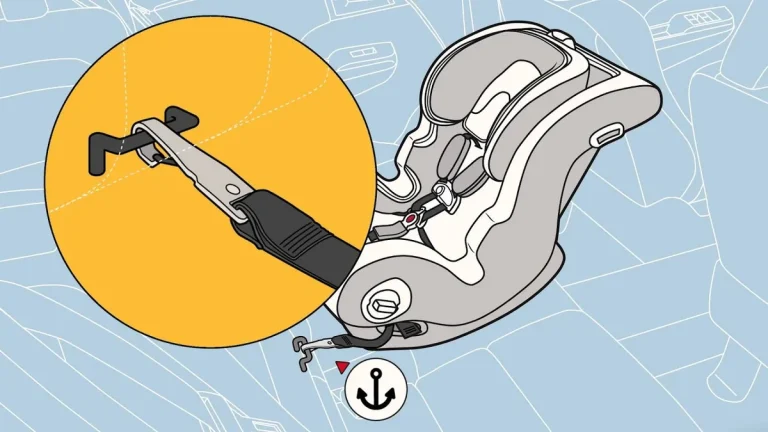
Forgetting the Top Tether in Forward-Facing Mode
When you do eventually turn the seat forward-facing, you must use the top tether. It reduces head movement by 4 to 6 inches in a crash. Many parents skip it.
That is a mistake. The top tether is not optional. It is part of the safety system.
Always attach it to the anchor in your vehicle.
Understanding the Law vs Best Practice
The law is a baseline. It is the minimum requirement to avoid a ticket. It is not a safety standard.
Most states require a child to be at least 1 year old and 20 pounds to ride forward-facing. A few states have stricter laws, like 2 years or 30 pounds. But the law is not the same as the recommendation.
Best practice, according to the AAP and NHTSA, is to keep the child rear-facing until they reach the maximum weight or height limit of the seat. That is the standard you should follow. The law exists to catch the most dangerous situations.
It does not represent the safest choice.
Think of it like this. The law says you can drive at 55 mph. That doesn't mean you should drive at 55 mph in a rainstorm.
The conditions matter. The safest choice is slower. The same logic applies here.
The law allows forward-facing at 1 year. The safest choice is to wait until the seat is outgrown.
When to Talk to a CPST or Your Pediatrician
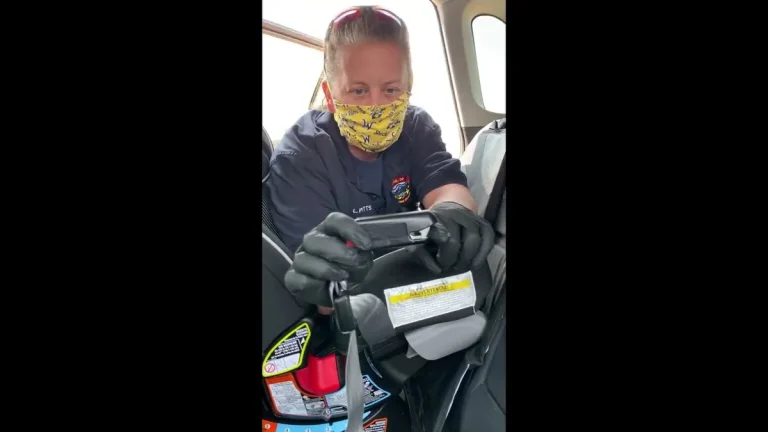
If you are unsure about the decision, talk to a Certified Child Passenger Safety Technician (CPST). These are trained professionals who can inspect your installation and help you understand the limits of your seat. Many fire stations and police stations have CPSTs on staff.
You can find one through the NHTSA website.
Your pediatrician is also a good resource. They can help you track your child's growth and give you a sense of when they might reach the limits. But pediatricians are not always car seat experts.
A CPST is the better choice for installation questions.
Talk to someone if you are confused about the label. Talk to someone if your child is close to the limits and you are not sure. Talk to someone if you are feeling pressure from family or friends.
A CPST will give you the facts. They will not judge you. They will help you make the safest choice.
Frequently Asked Questions
What age can a child legally face forward in a car seat?
Most states allow forward-facing at 1 year old and 20 pounds. But the law is a minimum. It is not the safest choice.
The AAP recommends keeping children rear-facing until at least age 2, and ideally until they outgrow the seat's limits.
How do I know if my child has outgrown the rear-facing car seat?
Check the sticker on the side of the car seat. It lists the rear-facing weight and height limits. If your child exceeds either number, it is time to turn the seat.
Also check the one-inch rule: if the top of the head is less than one inch from the top of the shell, the seat is outgrown.
Is it safe to turn my child forward-facing if their legs touch the back seat?
Yes, it is safe to keep them rear-facing even if their legs touch the seat. Children are flexible. They sit cross-legged or with their feet on the seat.
Leg contact is not a safety concern. The risk of leg injury is actually higher in forward-facing crashes.
What happens if I turn my child forward-facing too early?
Your child's neck and spine are not fully developed. In a crash, the head can snap forward and cause serious injury, including internal decapitation. The risk is highest for children under age 2.
Waiting until the seat is outgrown reduces this risk dramatically.
Can my child ride forward-facing at 2 years old?
Yes, but only if they have not outgrown the rear-facing limits of the seat. Many 2-year-olds can still ride rear-facing. The AAP recommends keeping them rear-facing as long as possible.
Check the seat label. If they are still under the weight and height limits, keep them rear-facing.
Do I need to use a top tether when the seat is forward-facing?
Yes, always. The top tether reduces head movement in a crash by 4 to 6 inches. It is a critical part of the safety system.
Attach it to the tether anchor in your vehicle. Do not skip it. Check your vehicle owner's manual for the location of the anchors.
The Bottom Line: When to Turn the Seat Forward
The answer is simple. Turn the seat forward-facing when your child has reached the maximum weight or height limit for rear-facing on their specific car seat. Not before.
Not because of a birthday. Not because their legs touch the seat. Not because they are fussy.
The safest choice is to wait.
If you are choosing a car seat for extended rear-facing, look for one with high rear-facing limits. Many convertible seats now allow rear-facing up to 40 or 50 pounds. Some go even higher.
A seat with strong safety ratings will give you peace of mind.
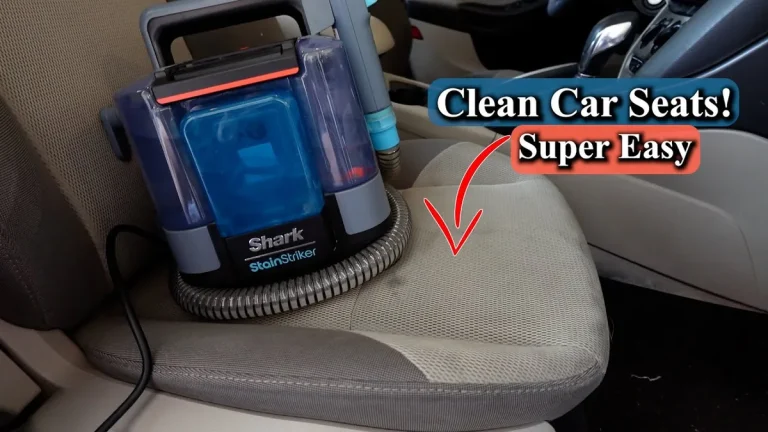
Keep the seat clean and well maintained. If you ever need to tackle stains on the upholstery or handle a mess, a quick clean the upholstery keeps the harness working properly. And if you are traveling, consider the cost of renting a car seat versus bringing your own.
Knowing rental car seat options can save you a headache at the airport.
The decision is yours. But the research is clear. Rear-facing is safer.
Wait as long as you can. Your child's safety is worth the inconvenience.
The Most Common Mistakes Parents Make
Even careful parents slip up. The most frequent error is turning the seat based on age alone. The law says 1 year.
The seat label may say 20 pounds minimum for forward-facing. Neither is the right reason to turn.
The right reason is that your child has reached the rear-facing limits on the seat label. Nothing else.
Another mistake is misreading the limits. Parents see "22, 65 lbs" on the label and think their 22-pound child is ready. That number is the forward-facing range.
The rear-facing range is usually printed separately, often on the other side of the sticker. Read both. Do not guess.
A third mistake is skipping the top tether. When you do turn the seat forward-facing, you must attach the top tether to the vehicle anchor. It reduces head movement by several inches in a crash.
Without it, the seat is not fully secured.
Understanding the Law vs Best Practice
The law is a floor. It is not a ceiling. Every state requires a child to be at least 1 year old and 20 pounds to ride forward-facing.
Some states set the bar at 2 years. But the law is the minimum.
Best practice comes from the American Academy of Pediatrics and the National Highway Traffic Safety Administration. They recommend keeping children rear-facing until they outgrow the seat. That usually means age 3 or 4.
The law allows forward-facing earlier. Best practice says wait.
Think of speed limits. The law says you can drive 55 mph. But if it is raining, the safe speed is lower.
The law sets the boundary for the worst-case scenario. It does not tell you the safest choice. Same here.
The law exists to prevent the most dangerous situations. It does not tell you the ideal time to turn.
When to Talk to a CPST or Your Pediatrician
If you are unsure about the limits or installation, talk to a Certified Child Passenger Safety Technician. These are trained experts who can inspect your seat and show you how to use it correctly. You can find one through your local fire station or police department.
Your pediatrician can also help. They can track your child's growth and tell you if they are approaching the limits. But pediatricians are not car seat specialists.
A CPST is the better choice for installation questions.
You should also talk to a technician if you have trouble with the harness fit. A harness that is too loose or placed at the wrong height compromises safety. A CPST can adjust it in minutes.
Quick Answers to the Top FAQs
What is the minimum age for forward-facing?
The legal minimum in most US states is 1 year and 20 pounds. That is the absolute minimum. Best practice is to keep rear-facing until the seat is outgrown.
How do I know when my child is too tall for rear-facing?
Check the seat label for the rear-facing height limit. If the top of your child's head is less than one inch from the top of the seat shell, the seat is outgrown rear-facing. That is the one-inch rule.
Is it safe to turn my child forward-facing at 2 years old?
Yes, if they have outgrown the rear-facing limits of their seat. But many 2-year-olds still fit rear-facing. The AAP recommends keeping them rear-facing as long as possible.
Check the label. Do not guess based on age.
Do I need to use the top tether when forward-facing?
Yes, always. The top tether reduces head movement in a crash. Without it, the seat is not fully secured.
Attach it to the tether anchor in your vehicle. Check your car's manual for the location.
Can my child's legs be bent in rear-facing?
Yes. It is safe and normal for their legs to touch the vehicle seat. They can bend their knees or sit cross-legged.
Leg contact is not a safety issue. Forward-facing does not reduce leg injury risk.
The Bottom Line: When to Turn the Seat Forward
Turn the seat when your child exceeds the rear-facing weight or height limit on the car seat label. Not before. Not because of their birthday.
Not because their legs are cramped. Not because they fuss.
The safest choice is to wait as long as the seat allows.
If you are choosing a seat for extended rear-facing, look for one with high rear-facing limits. Many convertible seats now support up to 40 or 50 pounds rear-facing. That buys you another year or two of safety.
And if you travel, knowing about rental car seat options can help you plan ahead without sacrificing safety.
The decision is yours. The research is clear. Rear-facing is safer.
Wait until the seat says it is time. Your child's safety is worth the inconvenience.