How to What Is the Second Safest Seat in a Car
If you've ever wondered where to sit in a car to maximize your chances in a crash, you're not alone. Parents ask this constantly when installing car seats, and rideshare passengers think about it every time they slide into the back. So let's answer the question directly: what is the second safest seat in a car?
The rear middle seat takes the top spot, but the second-safest position is the rear passenger-side seat, just behind the front passenger.
That's the short version, but the full picture involves crash dynamics, car seat installation rules, and a few surprising exceptions. According to IIHS research published in 2020, rear-seat passengers face roughly 43% lower injury risk than front-seat occupants. But not all rear positions are created equal, and the answer shifts depending on who's riding, what they're sitting in, and what kind of vehicle you drive.
Let's break it all down.
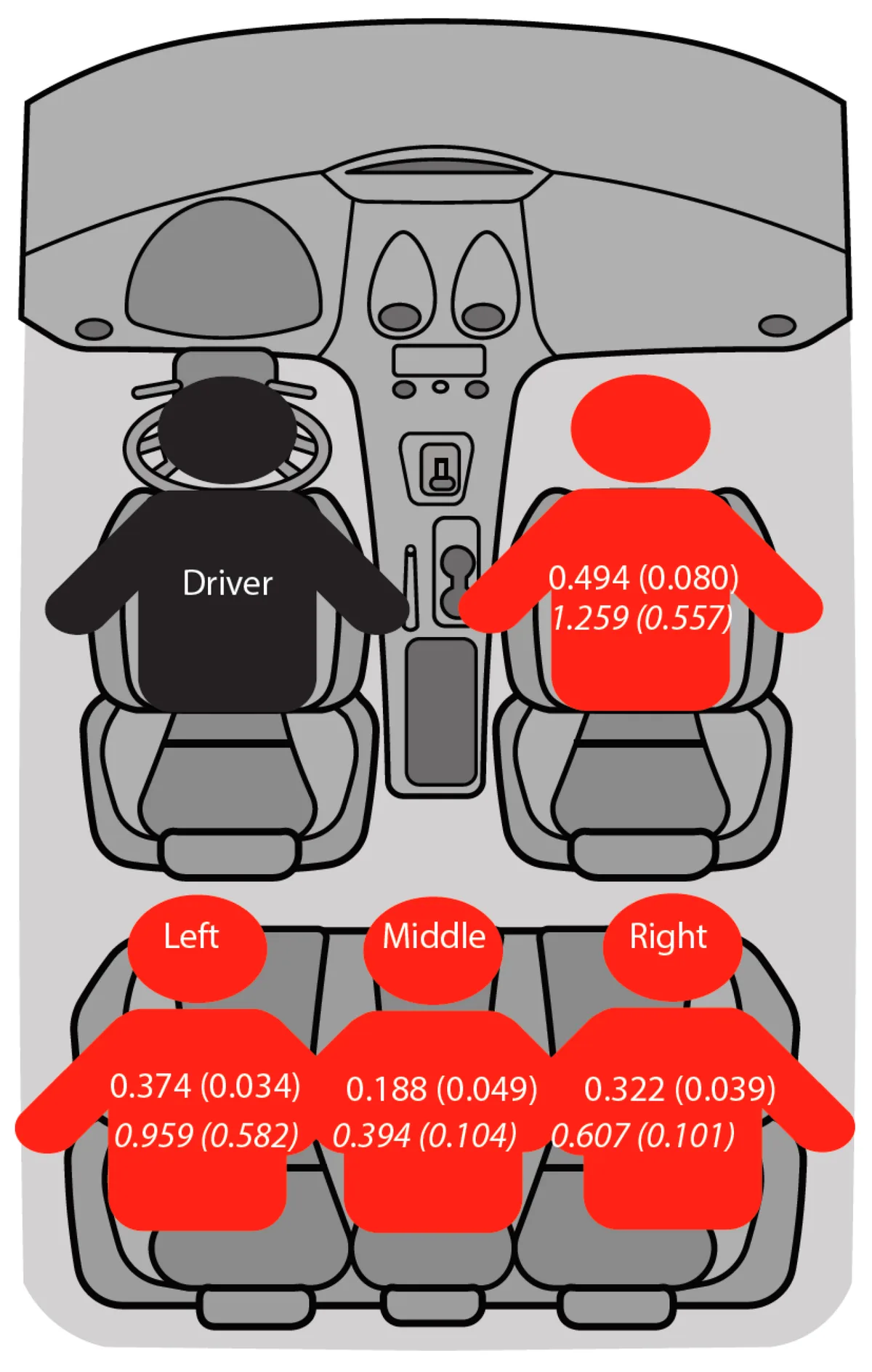
Image source: Web (Bing) / automotiveplanner.com (Web image (fair-use with source credit))
Quick Answer
The second safest seat in a car is the rear passenger-side seat. The rear middle seat ranks first overall, but it comes with practical limitations. For most adults and older children, the passenger-side rear position offers excellent protection with easier access.
This ranking assumes a lap-shoulder belt is available in that position.
If the vehicle has only a lap belt in the middle, the passenger-side rear becomes the safest choice. If you're installing a car seat, the math changes again. Continue reading for the full breakdown.
Why Rear Seats Beat the Front Every Time
The front seats are the most dangerous positions in any vehicle. Here's why: they're closest to the crumple zones, the steering wheel, and the dashboard. In a frontal collision, which accounts for roughly 60% of fatal crashes, front occupants absorb the most kinetic energy.
The dashboard and steering column can intrude into the cabin, and airbags, while lifesaving, deploy with enormous force.
Rear seats sit farther from these impact points. They're behind the structural reinforcement of the front seats and the B-pillars. In side-impact collisions, rear occupants also benefit from additional distance from the point of impact.
The rear seat area is simply a better place to be in almost every crash scenario.
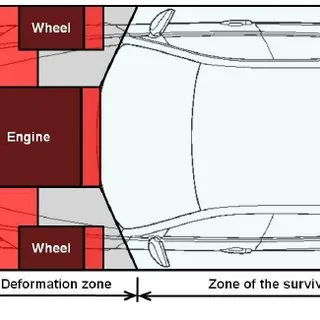
Image source: Bing (Web (fair-use with source credit))
Crash data backs this up consistently. A 2020 study from the Insurance Institute for Highway Safety found that rear-seat passengers aged 70 and younger had a 43% lower risk of injury compared to front-seat occupants. That number holds across different crash types, vehicle sizes, and seat positions.
There are exceptions, of course. Modern front seats are loaded with advanced airbags, pretensioners, and crumple-zone engineering. But the physics of distance remains unchanged.
More space between you and the point of impact means more time for the vehicle's safety systems to absorb energy before it reaches your body.
Breaking Down the Rear Positions: Left, Right, and Middle
Now let's rank the specific rear seats. Each position has strengths and weaknesses, and the "safest" choice depends on the situation.
The Rear Middle Seat
The middle seat is the closest to the geometric center of the vehicle. In a side-impact crash, the middle seat offers the most distance from both sides. In a frontal crash, it's farther from the doors and the roof pillars.
This position is widely considered the safest in the car.
But the middle seat has real limitations. Many vehicles offer only a lap belt there, especially in older models. Lap belts don't provide upper-body restraint, which increases the risk of head and chest injuries.
Some cars lack a proper headrest in the middle position, which is dangerous for whiplash in rear-end collisions.
The Rear Left Seat (Driver Side)
The driver-side rear seat is protected from traffic on one side. If you're parked on a road and someone side-swipes you, this position is immediately exposed. In most countries with right-hand traffic, the driver's side faces the flow of oncoming traffic in multi-lane roads, which increases side-impact risk from that direction.
That said, this position typically has a full lap-shoulder belt and a proper headrest. It's also the easiest seat to reach for the driver, which matters for quick in-and-out access. For adults, it's a perfectly safe choice, just not the absolute safest.
The Rear Right Seat (Passenger Side)
The rear passenger-side seat sits away from oncoming traffic in most driving scenarios. In countries where we drive on the right, this position is closer to the curb or shoulder when parked. That distance from active traffic reduces the risk of a side-impact collision from an approaching vehicle.
This position also has a full lap-shoulder belt and a headrest in nearly every vehicle. It's easier to access than the middle seat, especially when managing kids or groceries. For many families, the passenger-side rear is the most practical balance of safety and usability.
| Position | Safety Ranking | Belt Type | Best For |
|---|---|---|---|
| Rear Middle | 1st | Lap-only in older cars | Adults and kids in five-point harnesses |
| Rear Right | 2nd | Lap-shoulder | Adults, car seats, daily use |
| Rear Left | 3rd | Lap-shoulder | Adults needing quick driver access |
The ranking above reflects real-world crash data and vehicle configuration. But remember, the safest seat is the one where you can properly secure your seat belt or car seat. A lap belt in the middle is less safe than a properly positioned lap-shoulder belt on the side.
The Critical Exception: Child Passenger Safety Changes the Math
Here's where the general ranking gets complicated. For children riding in car seats, the safest position isn't always the middle. It depends on the seat type, the LATCH system, and the vehicle's design.
The American Academy of Pediatrics recommends the rear middle seat for children whenever possible. The reasoning is the same as for adults: maximum distance from impact points. But there's a catch.
If you cannot get a tight, secure installation in the middle seat, the outer positions are safer than a loose middle installation.
That's a crucial point that often gets lost in the "middle is safest" advice. A car seat installs properly in the middle only if the vehicle has LATCH anchors there. Many vehicles only have LATCH anchors in the outer rear positions.
The middle seat might only offer a lap belt, which cannot securely anchor many forward-facing car seats.
Here's a simple rule of thumb for children:
The safest position for a car seat is the one where you can achieve a tight, correct installation. If that's the middle, use it. If the LATCH anchors are only on the outer seats, use one of those instead.
Don't force a middle-seat install that rocks side to side.
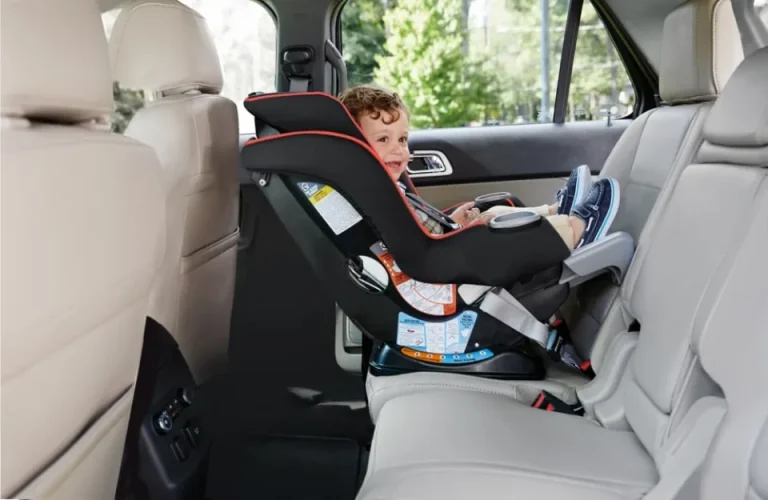
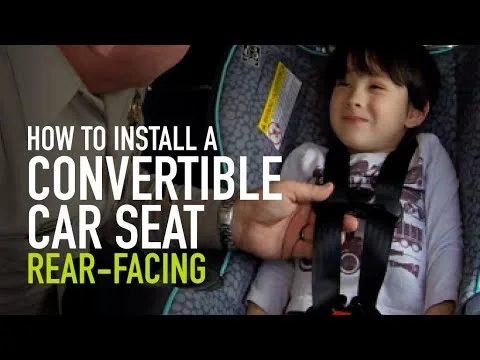
Rear-facing seats are a special case. They should never go in the front seat under any circumstances, and they should always be in a rear position. The safest rear-facing position follows the same logic: wherever you can get a secure install.
For booster seats, the middle seat is ideal if it has a lap-shoulder belt. If the middle only has a lap belt, move the booster to an outer seat. Booster seats require a lap-shoulder belt to function correctly, and a lap-only belt won't safely position the shoulder belt across the child's chest.
How to Choose the Best Seat for Your Situation
The "best" seat depends on who's riding and why. Let's walk through the most common scenarios.
Families with Multiple Children
When you have two or three kids in car seats, you can't always use the middle seat for everyone. The general priority order is: put the youngest or most vulnerable child in the safest position. That usually means the rear middle seat for the child in a rear-facing seat, and the outer seats for older kids in boosters.
If you have two rear-facing seats, place them on the outer positions. The middle seat often can't fit two rear-facing seats side by side. In that case, the passenger-side rear seat is typically the best single choice because it's further from traffic.
Rideshare Passengers
If you're taking an Uber or Lyft, you rarely have a choice about the middle seat. Most rideshares seat passengers in the back, and the middle seat is often cramped or occupied. The passenger-side rear seat is the best practical choice.
It's away from traffic when the vehicle is parked, and it offers easy exit at your destination.
Elderly Passengers or Those with Mobility Issues
The middle seat is difficult to access for people with limited mobility. The outer rear seats are much easier to enter and exit. For elderly passengers, the passenger-side rear seat offers the best combination of safety and accessibility.
The driver-side rear is also fine, especially for shorter trips where side-impact risk is low.
Rental Cars and Unfamiliar Vehicles
When you're driving a rental, you can't assume the vehicle has LATCH anchors in the middle seat. Check the owner's manual or visually inspect the seat creases for the LATCH symbols. If the middle seat has anchors and a lap-shoulder belt, use it.
Otherwise, put your car seat on an outer position.
The key takeaway is flexibility. The "safest seat" isn't a fixed rule. It's a decision you make based on your specific vehicle, passengers, and equipment.
As of 2026, most new vehicles still locate LATCH anchors on the outer rear seats, so the middle-seat-first advice often needs adjustment in practice.