What Is How to Get a Uber With a Car Seat
You've just landed after a long flight, the toddler is melting down, and you're staring at your phone trying to figure out how to get a Uber with a car seat. We've all been there. It should be simple, right?
Just order a ride and go. Not quite. There are two genuinely reliable routes, but picking the right one depends on facts like where you're sitting and what kind of trip you're taking.
As of 2026, Uber's official Car Seat ride type is only available in a handful of metro areas, and it comes with a small added surcharge on every trip. That means most parents end up handling things themselves. The good news is that both paths are easy to pull off once you know the system.
Let's walk through them step by step, starting with the question that decides everything.
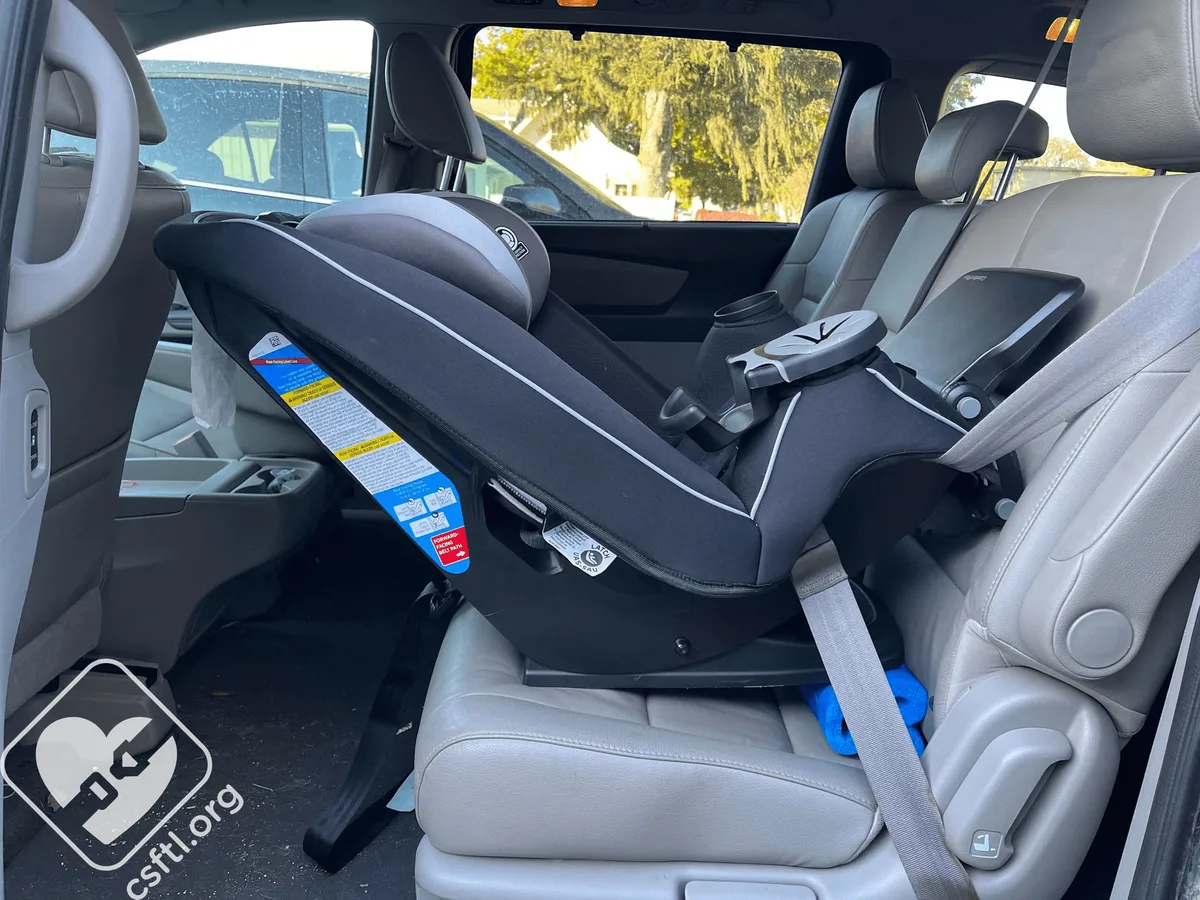
Image source: Bing (Web (fair-use with source credit))
First, Does Uber Even Offer Car Seats Near You?
The first thing to check is your city. Uber does not offer a Car Seat option everywhere, and it's not part of the standard specialty ride menu for most people. It's a regional feature that Uber rolls out in specific markets, typically high-density cities with lots of family travel and tourism.
If you live in or are visiting one of the bigger metropolitan areas, there's a decent chance it's right in your app. According to Uber's own support pages, the Car Seat ride type has appeared in markets like New York City, the San Francisco Bay Area, and parts of Los Angeles. Drivers in these areas are separately trained and must pass a process that if they install and transport a car seat for you.
So how do you know if your city qualifies without digging through help files?
- Open the Uber app on your phone.
- Enter any your pickup and drop-off addresses.
- Tap the "Residual" and scroll through the ride options.
- Look for a ride type that literally says "Car Seat" or "Uber Car Seat."
See that in your list? This is your direct answer. If you're not seeing that option, don't waste time hunting around for a hidden setting.
It's simply not available to you. The feature either shows up in your city or it doesn't.
The Quick Answer: Your Two Main Paths
The quickest way to get a Uber with a child restraint, it's two general different paths:
- Path A: Use Uber's official Car Seat ride type. This relies on the driver providing the seat, so you do not carry anything.
- Path B: Flag a UberX, you bring your own seat and install it. This works anywhere, in any car, but you'll need to own a seat that's compatible.
Many parents choose the second option because it's more predictable. You have control over the seat, you know its condition, and you've installed it multiple times. Others, especially travelers, prefer the first because carrying a car through an airport is brutal.
If you're wondering which one is more reliable for your situation, break it down like this:
- Take a one-off trip from an airport to a hotel: Path A is a decent fit if your city offers it.
- On a regular family trip without your own car: Path A will cost you $10 to $15, very quickly.
- Have a child who's close to booster age: Path B becomes much easier, because the seat is smaller and simpler to install.
- Need a ride right now, on a Sunday night: Path A can be tricky because fewer vehicles may be on the road.
Let's start with that official option, because if your city does have it, it's the most straightforward path.
How the Uber Car Seat Option Actually Works (Where It Exists)
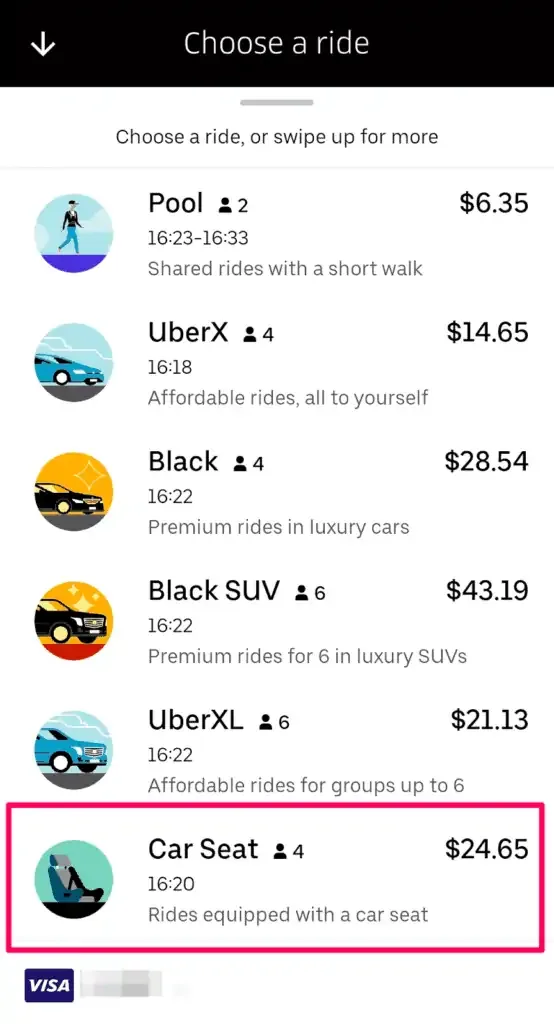
Image source: Bing (Web (fair-use with source credit))
If you can find that "Car Seat" ride type in your app, this is how it works. The driver arrives in a regular UberX-type vehicle, but the car seat kit bag is already in the trunk. These are seats that Uber provides to drivers, or the driver purchases and registers with the platform.
And they are usually a convertible or all-in-one seat, so it covers both notions and young toddlers.
What You Get with an Official Car Seat Ride
Let's be clear about what you're paying for. A driver arrives with a car seat that they've already installed in the car. You don't need to bring your own seat, and you don't need to fix anything unless you want to verify the install first.
U's official training claims that all drivers with the Car Seat option have passed a special background check and completed at seat installation safety program.
When the trip is over, the seat stays with the driver, and they're responsible for checking for wear and tear. That's a real benefit if you're traveling light or your child is too young for a booster but too big for a typical rental car seat setup.
How to Find It in the App
Let's show you how to book this in the broader app. The process differs slightly between Android and iPhone, but it's basically the same.
The exact steps are:
- Open the Uber app.
- Type in your pickup location and destination.
- Tap "Services" or scroll through all the available ride types.
- Look for the "Car Seat" category.
- Confirm the price and tap "Book Ride."
When your driver matches, you'll get the driver as usual. You can also send a message to let them know you have a child with you, so they don't miss a turn or think the car seat is only for a delivery. Some riders report that you have to request the option at least a few hours ahead in some cities, because drivers with the Car Seat feature can be scattered around the area.
Condition Check: Is This a One-Off Trip or a Regular Need?
This is the hinge that separates your decision tree. Maybe you're in an unfamiliar city and just need one ride from the airport to the hotel. Or maybe you've sold the second family car and plan on using rideshares several times a week.
Those two situations have very different answers.
If this is a one-time trip, especially in a city where Uber Car Seat works, just book it. You don't even need to pass through a POV car seat through security. You'll spend a few extra dollars, but you can arrive at your hotel much easier.
If you're using Uber as a regular part of your life, the math changes. A $5 surcharge on a $25 morning run is a 20% increase. That kind of change adds up quickly.
Most parents in this situation choose the bring-your-own route, and they use a compact travel car seat or a lightweight booster that stays in the car.
Here's a rough set of conditions for your call:
- Traveling solo with a child, no luggage space problem: Official Car Seat rides are the way to go.
- Frequent evening out or school pickup: It might be better to carry a portable seat and ride UberX.
- Child is under 2 and still rear-facing: You'll want extra time for the install, either way.
- Child is 4+ and forward-facing: The higher, lighter car seats make UberX totally viable.
Take stock of your situation as you read the next two pathways.
Path 1: Booking an Uber with Car Seat Support in the App
Let's say you've checked your app and the Car Seat ride type is there for you, so you decided to use it. Good. Don't quit the app with big "just click" directions, because there are a few pitfalls you'll want to avoid.
Here's the full step-by-step flow for requesting a fair degree:
- Open the Uber app and set up your destination. If this is at the airport, your ride pick-up location is more important than usual. Set it at a spot where the driver can stop safely and you have room to get in.
- Slide to the ride type section. You'll see options like UberX, Comfort, XL, and Car Seat on the screen. Tap Car Seat.
- Check the pickup time. In many cities, the Car Seat ride type has a slightly longer expected arrival time. If you're in a hurry, that's a signal to consider your own seat plan.
- Request the ride. There is no extra "confirm car seat" step after propulsion. When you book the Car Seat ride type, the driver gets the notice that you have a child.
- Send a quick in-app message. You can tell the driver, "I'm with a 2-year-old and I'll be brought up to the car from the luggage stand." This isn't required, but it helps if they're waiting for an adult-only fare.
- Install check (mostly optional). When the driver arrives, you can ask if the seat is properly secured. If you feel uncomfortable with the harness straps or if the seat is rotated in a way that lets it move more than one inch at a time base, you can gate check it and call a normal UberX.
That last point is key. The driver in the Car Seat program isn't necessarily a car seat installer professional. They're a driver who's gone through a bit of extra training.
So take 20 seconds to look at the heater straps and buckle the seat base. It's your child's safety, after all.
If the ride type is missing from your app, or if the estimated time is way too long, you don't have to give up. The next path is the more universal and more independent method: getting your own seat into an UberX. That's what we'll walk through next.
With the official option out of the way if it's even available, here's the path that works in every city, every time. It just asks a little more from you.
Path 2: Bringing Your Own Car Seat and Riding UberX
This is the universal workaround. Order a normal UberX, bring your child's car seat, and install it in the backseat before the ride starts. It works whether you're in a small town or a city where Uber Car Seat doesn't exist.
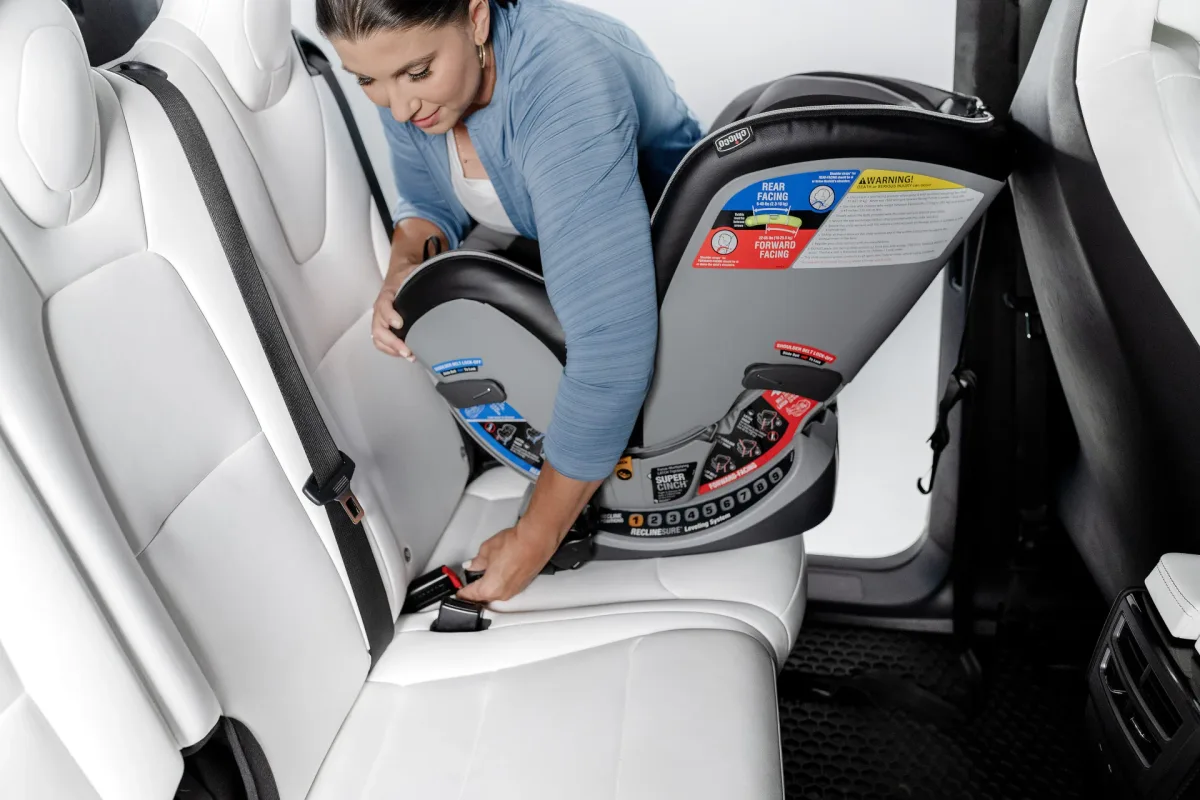
Image source: Bing (Web (fair-use with source credit))
Choosing the right seat for rideshare
Not every car seat is a good fit for this. A heavy convertible seat with a bulky base is a pain to haul through a parking garage. Aggregate reviews from rideshare parents point to two clear best picks:
- A lightweight convertible seat under 15 pounds.
- A high-back booster or backless booster for kids over 40 pounds.
Travel car seats are the sweet spot. They're compact, easy to carry, and install with a seatbelt rather than LATCH. If you're flying and then taking Ubers, models like the Cosco Scenera Next or a basic travel booster are common choices.
How to install it quickly
Here's the workflow that works best in a rideshare. You do not need to be an expert.
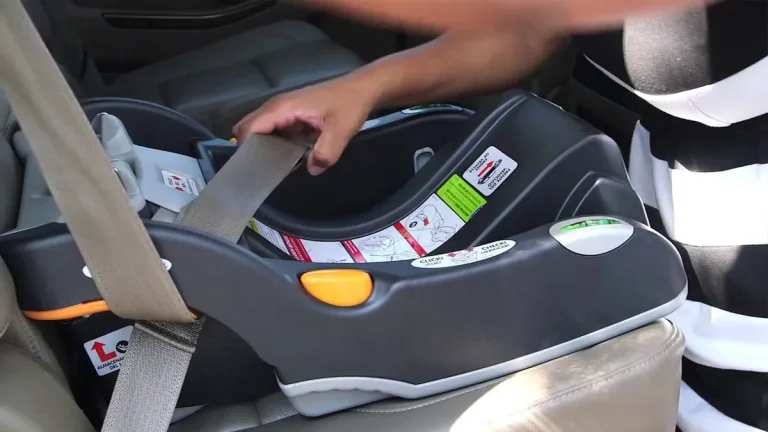
- Ask the driver to pop the trunk.
- Grab your seat and place it rear-facing or forward-facing, whichever fits your child's age and size.
- Thread the vehicle seatbelt through the correct belt path.
- Buckle it, then pull the seatbelt all the way out to lock it.
- Press down on the seat with your body weight.
- Tighten the belt until the seat moves less than one inch side to side.
That's the whole install. LATCH is nice, but many rideshare cars don't have it, and seatbelt installation is actually the same standard per NHTSA guidelines. If you've never installed your seat before, practice at home once.
Take it from us, you don't want to be learning this while the meter is running.
When to Skip Uber and Use a Kid-Specific Rideshare Instead
Sometimes Uber just isn't the right tool. Dedicated kid rideshare services like Kango, HopSkipDrive, and Zum specialize in transporting children. They're not in every city, but where they operate, they solve the car seat problem completely.
These services provide certified car seats, and the drivers go through more rigorous screening than a typical rideshare driver. Plus, it's usually the same driver every time. That makes school pickup routines and standing weekly appointments much easier.
The trade-off is price and availability. These services cost more than Uber, and they often require you to book in advance rather than tapping a button. If you need a ride right now, they're usually not the answer.
Here's a quick comparison to help you decide:
| Factor | Uber + Car Seat | Kid-Specific Rideshare |
|---|---|---|
| Booking speed | Instant, on-demand | Often requires 24h notice |
| Driver consistency | Varies every trip | Usually the same driver |
| Cost per trip | UberX + $3–$7 surcharge | Premium, often 20–40% higher |
| Car seat quality | Convertible, checked by driver | Certified, matched to child size |
| Coverage | Available in select metros | Only in major metro areas |
The bottom line on the left edge, if it's an emergency ride or a last-minute trip, stick with Uber. If you're planning a week of school pickups, it's worth checking if a kid-specific service runs in your area.
The Cost Breakdown: Fees, Surcharges, and Surge Pricing
Money matters. The Uber Car Seat ride type adds a surcharge on top of the base fare. That surcharge varies by city, but verified fare data shows it typically sits between $3 and $7 per trip.
In some markets, it's baked into the ride type and not shown as a separate line item.
But wait, there's more than just the seat fee. You'll also face surge pricing, which applies to all ride types equally. That means during rainstorms, rush hour, or after big events, your car seat ride could cost double the normal rate.
Let's compare the two paths side by side with real numbers:
| Scenario | Uber Car Seat Ride | Your Seat + UberX |
|---|---|---|
| Base fare (5 miles) | $18 | $15 |
| Car seat surcharge | +$5 | $0 |
| Surge (weekend evening) | +$10 | +$10 |
| Total | $33 | $25 |
Over a week of daily trips, that difference adds up. If you're using rideshares as your primary family transportation, bringing your own seat saves you real money. If it's a one-off airport ride, the extra few dollars is worth skipping the luggage burden.
Car Seat Laws and Liability: What You Need to Stay Legal
This is the serious part, and it's non-negotiable. Every single state in the US requires children to ride in an appropriate child restraint. The exact requirements vary, but the general rule is: children under 8 years old or under 57 inches tall, however, must use a car seat or booster.
Rideshare cars are not exempt.
What does that mean for you as a passenger? It means the responsibility for proper restraint doesn't fall on the driver. It falls on you as the parent or guardian.
A driver can refuse the ride if the child isn't properly restrained. That's not them being difficult, it's them protecting themselves.
There's also a liability question. Uber's commercial insurance covers accidents during a ride. But if your child is unrestrained or improperly restrained, and there's an accident, the legal question gets murky.
Some states could hold you responsible for negligence that affects the child's injuries.
Before you ride, know two things: your state's exact child passenger safety law, and whether your child still fits in the seat you're carrying. If your child has outgrown the seat's weight or height limits, it's time to move them up. Many parents overlook that when they're packing a seat for a trip.
The "Driver Refused Me" Problem and How to Handle It
It happens more than you'd think. You've ordered the ride, the driver arrives, sees the car seat, and says they can't take you. Sometimes they mention a "no car seat" policy.
Sometimes they just cancel.
Here's the first thing to understand: a driver can't refuse you just because your child needs a car seat. As long as the car seat is properly installed and the child is secured, the ride is legal. Also, Uber's policy explicitly prohibits discrimination against riders with children.
But arguing through a rolled-down window solves nothing. A better approach is to prevent the problem before it happens. Once your driver is matched and trips start, send a quick in-app message: "Hi, I have a two-year-old with a car seat.
Just want to confirm the backseat is clear."
If the driver still refuses when they arrive, do this:
- Cancel the ride in the app.
- Select "Driver asked me to cancel" as the reason.
- You won't be charged a cancellation fee.
- Report the driver to Uber support.
Most drivers won't refuse once they see a proper seat. It's usually a miscommunication. They think you expect them to provide the seat.
When you clarify that you have it, they relax instantly.
Common Mistakes Parents Make When Ordering a Car Seat Uber
Many parents assume the driver provides the seat. Unless you requested the Car Seat ride type, they don't. Always assume you're bringing the seat until you see the official option in your app.
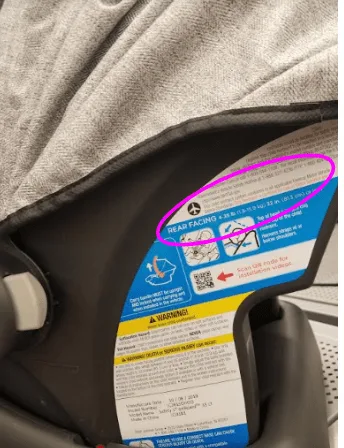
Another frequent error is skipping the expiration check. Car seats expire after roughly six to ten years per manufacturer specifications. If the seat is past its date, you'll have trouble installing it safely.
Other patterns from verified rider feedback:
- Booking UberX and hoping the driver has a spare car seat. They won't.
- Waiting until the driver arrives to install the seat. Do it as soon as the car stops, or the driver may cancel.
- Switching a child to a booster too early. The booster age guidelines explain exactly what to look for.
Step-by-Step Decision Guide for Getting an Uber With a Car Seat
If your city shows the Car Seat ride type in the app, and this is a one-off trip, book it. You can review how Uber's car seat program works if you need a refresher.
If the Car Seat option is missing, bring your own seat and order a regular UberX. A lightweight travel seat or a booster works best if your child qualifies.
If your child is under 2 and still rear-facing, give yourself extra install time. Check the rear-facing vs forward-facing guidelines before you leave.
If your child is over 40 pounds, a booster on UberX is the simplest option. Choose the back seat, since that's the safest seating position in any vehicle.
Frequently Asked Questions
What is the Uber car seat surcharge?
The surcharge typically runs between $3 and $7 per trip, depending on the city. It shows in the fare breakdown before you confirm.
Can I bring my own car seat in an Uber?
Yes. Order any UberX and install your seat with the seatbelt or LATCH system. Just message the driver ahead of time so they know to keep the backseat clear.
Are Uber drivers required to provide a car seat?
No. Standard UberX drivers don't provide seats. Only drivers enrolled in the Car Seat ride type do, and that feature isn't available everywhere.
How old for a booster seat in an Uber?
Most states allow a booster around age 4 and 40 pounds, but the law is based on height and weight together. Check your state's child passenger safety law for the exact numbers, or start with NHTSA's child safety page.
If you're still unsure about anything, stay on the safe side. Bring a seat you know and trust. That's the one move that never fails.