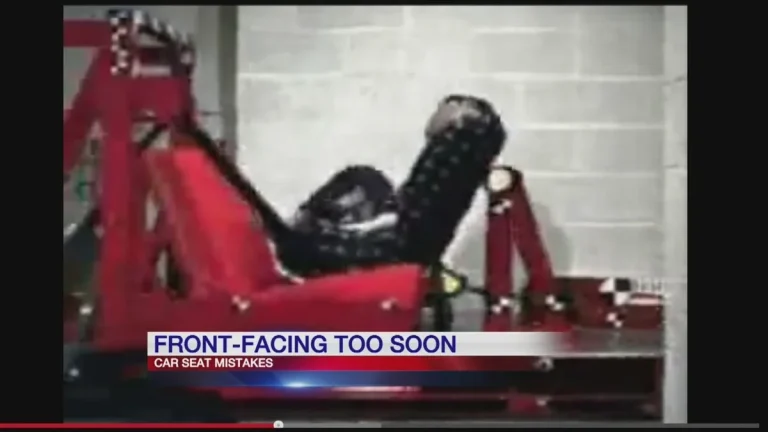
What Is How to Find Car Seat Expiration Date
If you’re asking how to find car seat expiration date, start by flipping the seat over. It sounds too simple, but that’s where the most important label usually lives. The certification label on the underside of the shell tells you when the seat was made, and often when it should no longer be used.
The label typically includes a “Do not use after” date stamped with a month and year. As of 2026, nearly every major car seat manufacturer prints this directly on the seat, not just in the manual. That label is required under FMVSS 213, the federal safety standard for child restraints.
But finding it isn’t always straightforward. Let’s walk through exactly what you’re hunting for and where it hides.

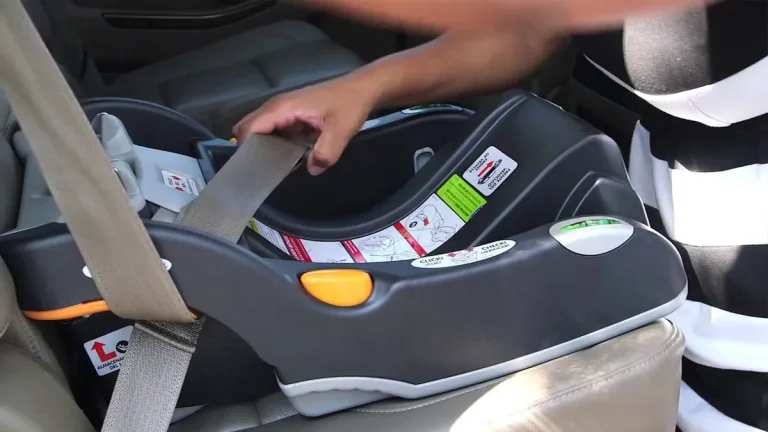
Image source: Bing (Web (fair-use with source credit))
Why This Isn't a Guess: The Stakes on Getting It Right
Car seat plastic doesn’t age like a kitchen container. It’s engineered to absorb crash energy, and that engineering weakens over time. Heat, UV light, and normal wear cause the material to break down at a chemical level.
The harness webbing, shell polymer, and even the foam padding all have a finite service life.
That’s why manufacturers set a specific expiration date. They stress-test their seats to determine how long the materials hold their crash performance. After that point, the seat can’t be trusted to do what it was designed to do.
In a crash, a degraded shell can crack or shatter instead of spreading the force.
The National Highway Traffic Safety Administration (NHTSA) also recommends checking the expiration date and replacing any seat that’s past it. They say the same about seats involved in a moderate or severe crash, even if they look fine. That’s not a suggestion; it’s a safety standard.
So, don’t assume a seat is fine just because it’s clean and structurally intact. If the date is gone or past, the seat needs to be retired. For a full breakdown of what the expiration label actually means, our deeper guide walks through the details.
Quick Answer: Where to Look First
You want the bottom line? Here it is:
- Flip the seat upside down and inspect the underside of the plastic shell.
- Check the sides near the belt path and the back of the seat.
- Look for the wording “Do not use after” or “Expiration.”
- If the label isn’t visible, remove the seat cover and any padding.
- Check the base separately if your infant seat has one; bases expire on their own timeline.
- If you can’t read or find a date, treat the seat as expired.
The label is usually a white or silver sticker. On some newer seats, it’s a slide-out plastic tab embedded in the base. On others, the date is embossed directly into the plastic.
If you’re planning to hand the seat down or sell it, knowing this date protects the next family too.
How Car Seat Expiration Works (and Why It Varies by Brand)
There’s no federal law that sets a single car seat expiration date. The government requires manufacturers to include a date of manufacture on the certification label, but the “do not use after” timeline is up to each brand.
That’s why expiration dates aren’t universal. One seat might be good for six years while another lasts ten. It depends on the plastics, the design, and how the manufacturer tested the materials over time.
Some brands are more conservative than others.
Manufacturer specifications commonly list these ranges:
| Brand | Typical Service Life | Where It’s Usually Printed |
|---|---|---|
| Graco | 7 years (some newer models 10) | Underside of shell or base |
| Britax | 7 years | Side of the seat near belt path |
| Chicco | 8 years | Underside of shell |
| Evenflo | 6 to 8 years, depending on model | Rear of the shell or base |
| Nuna | 10 years on newer models | Sticker under the seat cover |
| Maxi-Cosi | 8 years | Underside of base or carrier |
These are general figures, not guarantees. Always confirm with the label on your specific seat. If you’re unsure, look up the manual using the model number, or call the manufacturer’s customer service line.
The brand’s own records are the final word.
The reason this varies matters for real-world decisions. A seat that expires after six years might not make it through two kids. If you plan to pass down a seat, you need to think ahead.
And if you’re buying used, the expiration timeline should influence whether the deal is actually worth it. That’s a key reason parents are advised to keep a child rear-facing for as long as possible before moving up to the next seat type; newer seats give you more margin.
Where the Date Hides: Labels, Molding, and Serial Numbers
The expiration date is a moving target depending on the brand and model. Most of the time it’s on a sticker. Sometimes it’s molded right into the plastic.
And occasionally, it’s hidden under layers of fabric that you didn’t know you could remove.
Common locations include:
- The underside of the main shell, usually near the center or the rear
- The side of the seat near the harness adjuster
- The back of the seat, where the shell curves
- The bottom of an infant car seat base
- Under the seat pad or infant insert
- On a slide-out plastic tag built into the base or shell
Some labels are plain white stickers with black text. Others are silver and harder to read in low light. If you’re having trouble, move the seat into direct sunlight.
The sheen on a metallic label can make the print nearly invisible indoors.
When you flip the seat over, you’re looking for two things: the date of manufacture (DOM) and the “Do not use after” date. They’re often on the same sticker. If the expiration date isn’t there, the serial number may be your key.
Most brands can decode the serial number to tell you exactly when the seat was made, and therefore when it expires.
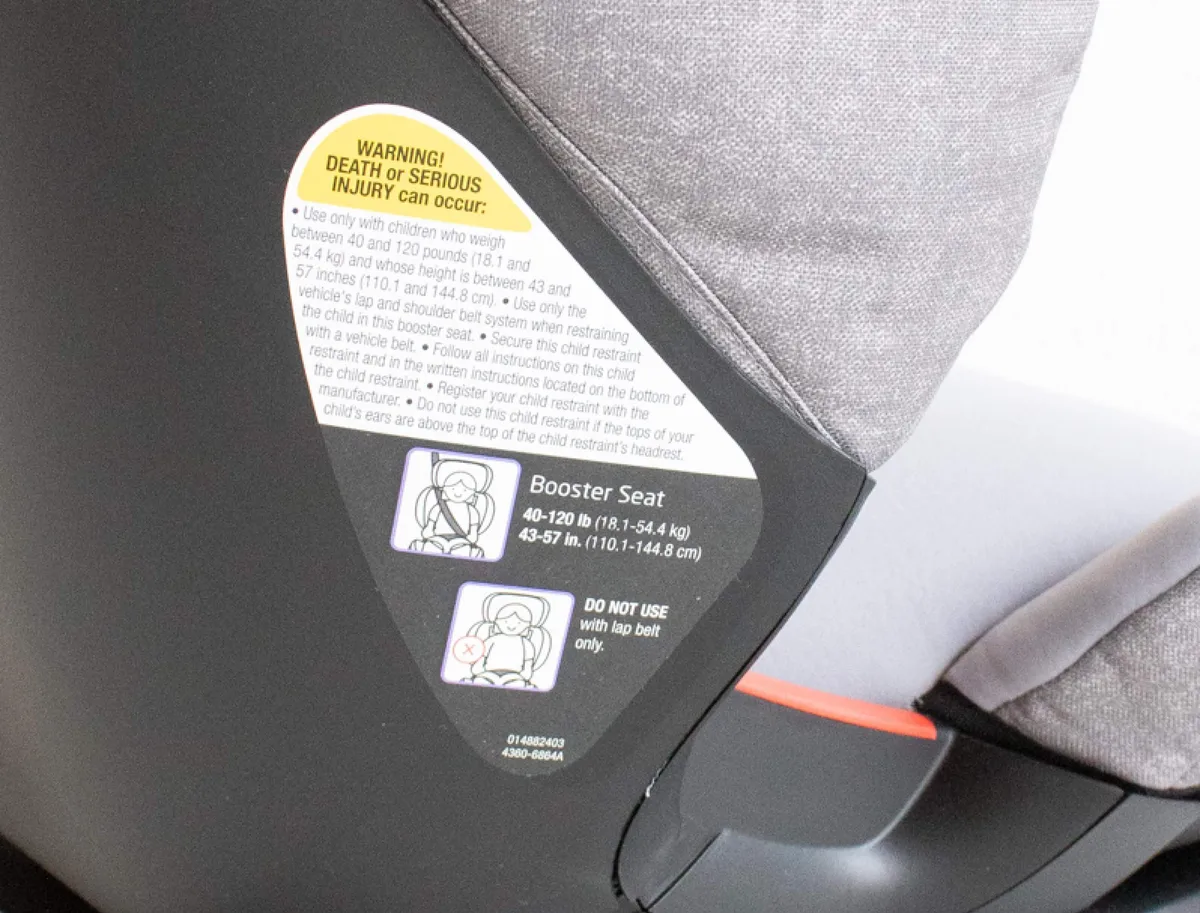
Image source: Bing (Web (fair-use with source credit))
Don’t forget to check the base separately. Many families assume an infant carrier and its base expire on the same schedule. They can, but not always.
Bases are subject to the same heat inside a closed car, and in some cases the base expires before the carrier. This is especially important if you’re putting the base in a vehicle you don’t drive often. It also matters where you place it; the safest seating position in a car still requires a functioning, unexpired base to protect your child.
Step-by-Step: The 6-Minute Expiration Check
Give yourself six minutes. That’s all this takes. You don’t need tools, and you only need enough light to read a sticker.
Here’s the process:
- Move the seat to a bright spot. Natural light works best. Garage lighting or a bright room works too.
- Remove the seat cover and padding. Many labels are completely hidden by fabric. Most covers unclip or slide off the shell without tools.
- Flip the seat upside down. Set it on the harness straps or the headrest so the base faces up.
- Locate the certification label. Look for a sticker or embossed area on the flat plastic portion of the shell.
- Find the words “Do not use after.” This is usually printed as a month and year, like “10/2028.”
- If there’s no expiration date, find the serial number. Take a photo and contact the manufacturer with the model number and serial number. They can calculate it for you.
- Write the expiration date in a visible spot. Use a permanent marker on the underside or a sticky label. That way, the next parent or caregiver knows without a full inspection.
This is also the moment to check the model and manufacture date for any open recalls. The National Highway Traffic Safety Administration lets you search by brand and model, and it takes about a minute. If the seat has ever been recalled and the fix wasn’t applied, the expiration date is the least of your worries.
Once you’ve confirmed the date, you can decide whether the seat stays or goes. If you’re at the point where a forward-facing milestone is coming up, it’s worth verifying whether the current seat will still be in its service window. We cover the age requirements for when kids can legally sit facing forward so you can plan ahead without scrambling.
What If the Label Is Missing, Faded, or Impossible to Read?
If you can’t find the date, treat it as expired. Full stop. Without a verifiable date of manufacture, there’s no way to know how old the seat is or whether the materials are still safe.
Check the manual first. The model number printed on the seat can help you find the manual online. It will tell you where the label should be and what the expiration policy is for that specific design.
Next, look for a serial number. Many manufacturers can decode it to determine the production date. Call their customer service line with the model number and serial number, and they’ll typically give you an exact answer within minutes.
But if the brand is unknown, the serial number is gone, or the label is entirely worn away, you’re out of options. There’s no safe “probably fine” in this situation. The National Highway Traffic Safety Administration advises against using a seat when you can’t confirm its age and history.
Also, this is your sign to check for recalls. A seat that’s never been registered can miss critical safety fixes. Our guide on what the expiration label actually means walks through the registration process and why it matters.
Buying a Used Seat? Consider This Before You Trust It
Used car seats are a gamble. Even if the label is crystal clear, you’re missing the seat’s history. You don’t know if it was dropped, involved in a crash, or left baking in a garage for years.
NHTSA’s official recommendation is direct: if you don’t know the full history, don’t use it. That’s because damage from a crash isn’t always visible. A plastic shell can still break even if the cover looks brand new.
When evaluating a used seat, the expiration date is only step one. You also need to confirm the model was never recalled, that the harness works smoothly, and that all pieces are original. Missing parts and after-market accessories can void the seat’s certification.
If the seller can’t tell you exactly where they bought it and how long they used it, walk away. If they can, still verify the date yourself before they hand it over. And remember, a seat that’s close to expiring isn’t a deal; it’s a soon-to-be replacement.
This is where a lot of parents get confused about the next step. Before you commit to a used seat, check whether it will match your child’s size and your vehicle’s fit. Issues like the correct seat position and proper installation become harder when you’re dealing with a seat you don’t know.
Common Mistakes That Even Experienced Parents Make
The biggest mistake is confusing the manufactured date with the expiration date. These are two different numbers, and the expiration is usually later. Reading the DOM as the expiry can make you throw out a good seat earlier than needed, or worse, assume a seat is fine when the expiration is on a different part of the label.
Another common miss is ignoring the base. Many families check the carrier and assume the base expires on the same schedule. Base materials age the same way, so you need to flip the base over and check it separately.
If the base is expired and the carrier isn’t, you still can’t use the base safely.
Some people also think a seat that looks clean is automatically safe. That’s not how it works. Plastics break down from heat cycling and UV exposure, and the damage isn’t visible from the outside.
A seat that looks brand new can still be past its useful life.
And here’s a sneaky one: you remove the label. Maybe you washed the seat cover and the label peeled off. Maybe you cleaned the shell and accidentally scuffed the sticker.
Either way, once the date disappears, the seat becomes impossible to verify. In that case, you’re back to playing the “do I trust it?” game, and the answer is no.
If you’re actively moving a child between vehicles, don’t forget that the seat’s installation location can affect how fast it wears. We explain how to pick the safest seating position in a car so that the seat not only fits but stays within its safety window.
When a Seat Is Expired — Even If the Date Looks Fine
The expiration date is a limit, not a suggestion. It exists because the materials stop performing at crash-tested levels after that point. You can’t look at a seat and tell that its plastic has gotten brittle.
Heat is the enemy. A car seat sitting in a parked car through summer after summer is exposed to repeated heating and cooling cycles. That causes micro-cracks and chemical breakdown in the shell over time.
Even a garage-stored seat ages because the materials begin to break down from the moment they’re made.
Crash replacement is another clear rule. NHTSA says a seat must be replaced after any moderate or severe crash, regardless of its age. Even a minor crash can compromise the seat’s structural integrity.
The label might still say “valid,” but the seat shouldn’t be used.
This all means the date on the label is non-negotiable. If you’re past it, the seat has to go. The only question is how to dispose of it properly.
Never donate an expired seat, and never leave it on the curb where someone might pick it up. Cut the harness straps, remove the padding, and mark the shell with something like “EXPIRED” so no one else tries to use it.
Know Your Numbers: Approximate Expiration Spans by Brand
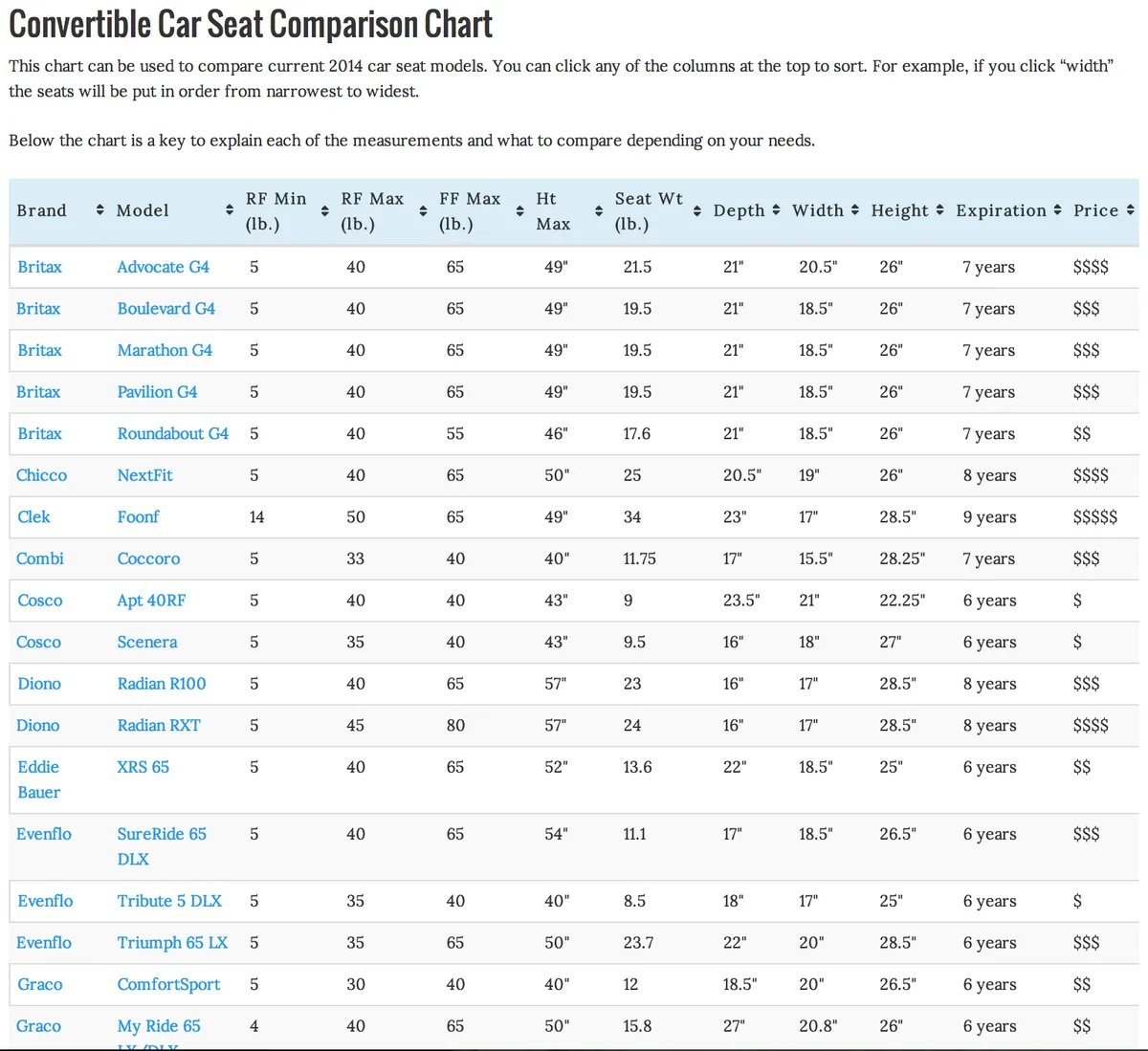
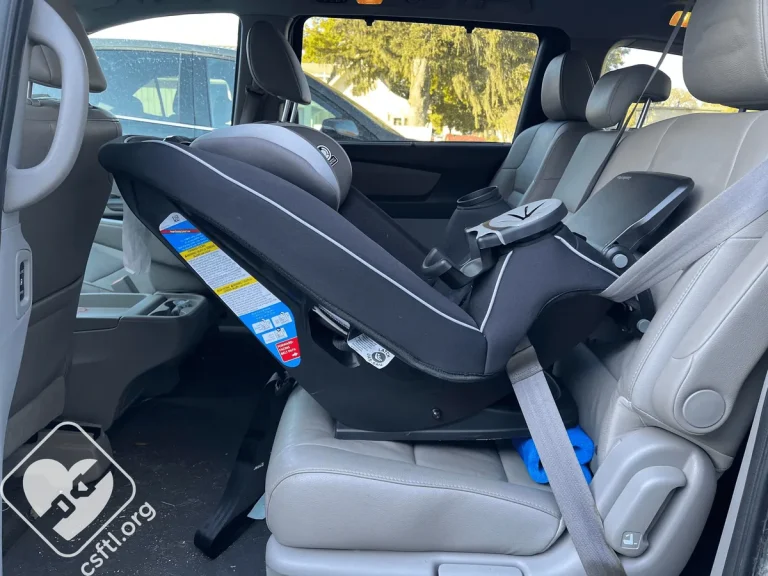
Image source: Bing (Web (fair-use with source credit))
There’s no federal rule that dictates a single expiration span. Most manufacturers settle on a range between six and ten years, and they print the exact date on each individual seat. The numbers in the table below are common, but your seat’s label is the only true source.
| Brand | Typical Service Life | Notes |
|---|---|---|
| Graco | 7 to 10 years | Newer models moved to 10 years |
| Britax | 7 years | Some boosters last longer |
| Chicco | 8 years | Always printed on the base or shell |
| Evenflo | 6 to 8 years | Varies by model |
| Nuna | 10 years | Most generous among premium brands |
| Maxi-Cosi | 8 years | Check both the carrier and base |
| Clek | 9 years | Known for printed date on the shell |
| UPPAbaby | 7 years | Usually on a sticker under the pad |
A few things to remember when you read those numbers. First, the date of manufacture starts the countdown. The expiration is always measured from when the seat was made, not when you bought it.
Second, the same brand can change the policy for different models, so don’t assume every Graco lasts 10 years.
The reason the numbers vary is simple: material formulas differ. A seat with more rigid plastic might have a shorter life than one with a plastic blend designed for flexibility. Manufacturers test their specific components to see how the material degrades over time, and they set the limit accordingly.
You should also track whether a seat has been through a crash. Manufacturer specifications indicate that crash replacement takes priority over the calendar date. Our article on when it’s legal to turn the seat forward also covers how to assess whether your seat still meets the standard for that transition.
When to Call for Backup: CPSTs and Manufacturer Support
Sometimes you’ve checked every panel and still can’t find the date. That’s when you call in the experts. A Certified Child Passenger Safety Technician (CPST) can locate labels, decode serial numbers, and tell you whether a seat is worth installing.
You can find a CPST through local hospital events, fire stations, or Safe Kids Worldwide. They’ll also confirm whether your vehicle’s seat belts or LATCH anchors are compatible with the seat. If you have a brand question, the manufacturer’s customer service line is the final authority.
They have records tied to the serial number and can pull the exact production date. Per NHTSA guidance, a seat without a verifiable date should not be used, so getting a definitive answer matters. The NHTSA website also lists vehicle-specific car seat registration and recall info.
FAQs: The Quick Questions You're About to Ask
How long do car seats last before expiring?
Most car seats last between 6 and 10 years from the date of manufacture. The exact limit is printed on the certification label as “Do not use after.” Manufacturer specifications vary by brand and model, so always trust the label over a general rule.
Can I use a car seat after the expiration date?
No. After the expiration date, the plastic shell and harness webbing can no longer be trusted to perform at crash-tested levels. Retire the seat immediately.
Cut the straps and mark the shell so nobody else picks it up.
Do car seat bases expire?
Yes. An infant car seat base is made from the same materials and ages just like the carrier. Check the underside of the base for a separate expiration date.
If the base expires before the carrier, you’ll need a new base before using it again.
Where is the expiration date on a Graco car seat?
Graco usually prints the date on a white sticker underneath the shell or on the side near the belt path. Newer Graco models may list 10 years. If you can’t see it, use the serial number to verify with Graco’s customer support.
Your Takeaway: The 30-Second Decision Guide
Here’s the entire process in condensed form:
- Flip the seat, remove the cover, and find the label.
- Look for “Do not use after” and a month/year.
- If the date is present and in the future, the seat is still serviceable.
- If the date is past, the label is missing, or you can’t verify the seat’s history, replace it.
That’s the whole rule. The date is non-negotiable, and the label is the only source of truth. When you’re ready for the next seat, check whether your child hits the milestone for a forward-facing ride and whether your current setup still fits the vehicle properly.
The safest choice is always a seat that you can fully account for.