
Complete Guide to What Does Car Seat Expiration Mean
If you’ve ever pulled a car seat out of the attic for your second child and wondered why there’s a stamped date on the underside, you’re not alone. So, what does car seat expiration mean exactly? It’s the manufacturer’s official cutoff date, based on the day the seat was built, after which the seat is no longer certified to protect your child in a crash.
Manufacturer specifications indicate that most seats last between 6 and 8 years from the date of manufacture. That timeline isn’t arbitrary. It’s tied to FMVSS 213, the federal standard governing child restraint systems, which assumes the plastic shell, foam padding, and harness webbing all perform as new.
As of 2026, that standard remains the baseline for every seat sold in the U.S. Here’s what you need to know before you strap another kid into that “perfectly fine” seat.
Why Car Seat Expiration Is a Safety Issue, Not a Suggestion
The plastic shell of a car seat is engineered to absorb crash forces. That polypropylene material is strong, but it breaks down over time. Heat, cold, UV rays, and even the natural aging of polymers all contribute to micro-fractures you can’t see with your eyes.
What was a rigid, energy-absorbing shell at year one becomes a brittle, less predictable structure by year seven.
The harness is another piece of the puzzle. The webbing is designed to stretch slightly under load, spreading force across the strongest parts of your child’s body. After years of sun exposure and temperature swings, that webbing can stiffen or weaken.
The same goes for the foam beneath the cover. It’s there to absorb impact energy, but it degrades chemically over time, even if it still feels squishy.
Here’s the uncomfortable truth: a car seat that’s past its expiration date has never been crash-tested in that condition. The federal tests that certify a seat are performed on brand-new units. No one has tested what a 9-year-old seat does in a 35 mph collision.
Choosing to use one means betting your child’s safety on a structure that no longer meets its certified performance standards.
| Component | What Age Does To It | Crash Performance Impact |
|---|---|---|
| Plastic shell | Micro-cracks, brittleness, UV degradation | Reduced energy absorption |
| Harness webbing | Stiffening, fraying, weakened fibers | Less effective restraint |
| Foam padding | Chemical breakdown, compression | Reduced impact cushioning |
| Buckle & adjuster | Corrosion, spring fatigue | Potential release failure |
Quick Answer
Car seat expiration is the manufacturer’s set cutoff date for safe use, typically 6 to 8 years from the date of manufacture. After this date, the seat is no longer certified to meet federal safety standards. The plastic, foam, and webbing degrade over time, even if the seat looks fine.
Replace any seat that’s past its expiration date. Don’t use it, don’t donate it, and don’t sell it.
What Actually Happens to a Car Seat Over Time
You might think a car seat sitting in a climate-controlled garage stays in perfect condition. It doesn’t. The materials age regardless of whether they’re actively used.
That’s why the expiration clock starts ticking the day the seat is manufactured, not the day you install it.
Heat is the biggest culprit. Car interiors routinely hit 140°F or more in summer sun. That repeated heating and cooling cycle stresses the plastic shell on a molecular level.
Over years, the polymer chains break down, making the plastic more rigid and less able to flex on impact. UV rays accelerate this process, which is why a seat that lived in Arizona will degrade faster than one that spent its life in a Seattle garage.
The webbing and stitching are equally vulnerable. Every time your child buckles in, the straps experience micro-tears at the stress points. Add years of sun bleaching and temperature fluctuations, and you’re left with a harness that may not hold tension the way it should.
Your child’s weight, combined with the forces of a crash, demands webbing at peak strength. After 7 years, it simply isn’t.
Expiration is also about standards. Safety regulations improve over time. A seat built in 2016 was tested against the crash standards of its era.
A 2026 seat benefits from updated testing protocols and design improvements. By using an older seat, you’re missing out on safety innovations that didn’t exist when that seat was built.
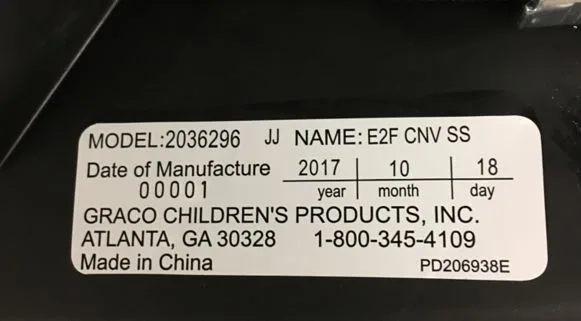
Image source: Bing (Web (fair-use with source credit))
The Visual Inspection Trap
Here’s the trap that catches almost everyone: the seat looks perfect. No visible cracks. No frayed straps.
The padding is plump. Surely it’s fine. This is the most dangerous assumption you can make about a car seat, because the critical failures are all internal.
Plastic fatigue doesn’t always show up as a visible crack. The micro-fractures that compromise crash performance are happening deep within the material. You might see a slight discoloration or a chalky texture, but often you see nothing at all.
By the time a crack is visible, the structural integrity is already severely compromised.
Heat damage is equally invisible. The foam that absorbs impact energy can break down chemically without changing its shape. It’s the difference between a new memory foam pillow and one that’s years old, it still looks fine, but it’s lost its resilience.
In a crash, that degraded foam provides far less protection than it did when new.
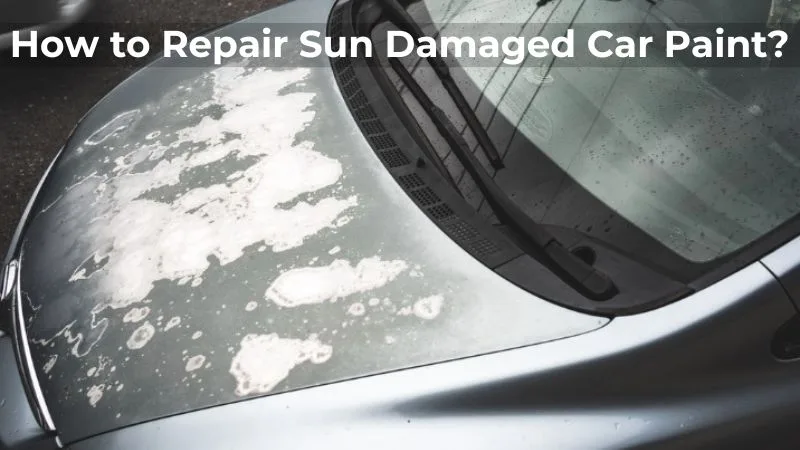
Image source: Web (Bing) / detroitchinatown.org (Web image (fair-use with source credit))
The honest rule: if a seat is past its expiration date, its visual condition is irrelevant. The manufacturer has set a cutoff point beyond which they will no longer guarantee performance. They’ve done the engineering analysis to determine that date, and they’re not going to test a single seat beyond it.
Your eyes cannot override that engineering data.
When an Expired Car Seat Is a Real-World Risk
Hand-me-downs are the most common way expired seats end up in daily use. A family member offers you their old infant seat for your newborn. It’s been stored in the garage for 4 years since their youngest outgrew it.
The label says it expires next month. You’re tempted to use it “just for a few weeks.” Don’t.
Marketplace and garage-sale seats are riskier still. You have no idea of their history. Was the seat in a crash?
Was it stored in a hot attic? Has it been dropped? Even if it’s within its expiration window, you’re trusting a stranger’s word that the seat is structurally sound.
Add an expired label, and you’re compounding unknown history with known material degradation.
Post-crash replacement is a hard rule with no exceptions. Any seat involved in a moderate or severe crash must be replaced, regardless of its expiration date. The hidden structural damage from a crash isn’t visible, and the seat’s integrity is compromised.
This applies even if the child wasn’t in the seat at the time. The force of the crash itself can damage the seat.
There’s also a legal angle people overlook. If you’re in a collision and your child is injured while riding in an expired car seat, your insurance claim could be denied. The manufacturer’s liability is void after the expiration date.
That means you’re not only risking physical harm, you’re risking leaving your family financially exposed in a worst-case scenario.
If you’re navigating the timing of seat transitions, remember that expiration is separate from your child’s growth milestones. The age and weight limits matter for when you switch from rear-facing to forward-facing, but expiration lands on a calendar date, not a developmental one. For guidance on those transitions, check out our guide on when a forward-facing seat is right for your child.
Step-by-Step: How to Check Your Car Seat’s Expiration Date
Locate the date-of-manufacture label first. It’s usually stamped on the underside of the seat base or molded into the plastic near the seat belt path. Some brands place it on the side of the shell beneath the cup holder.
If you’re struggling to find it, check the manual.
Once you’ve found the label, look for a date format that includes month and year. Most labels read “DOM” (date of manufacture) followed by a date like “2024-03” or “03/2024.” The expiration date might be printed separately, or you’ll need to add the manufacturer’s stated lifespan to the DOM yourself.
Here’s the checklist:
- Note the month and year on the label
- Check the manual for the expiration term (usually 6, 7, or 8 years)
- Add that lifespan to the DOM to get the expiry date
- Look for a separate “Do Not Use After” stamp if the brand prints one
- Write the expiration date on a piece of tape and stick it somewhere visible
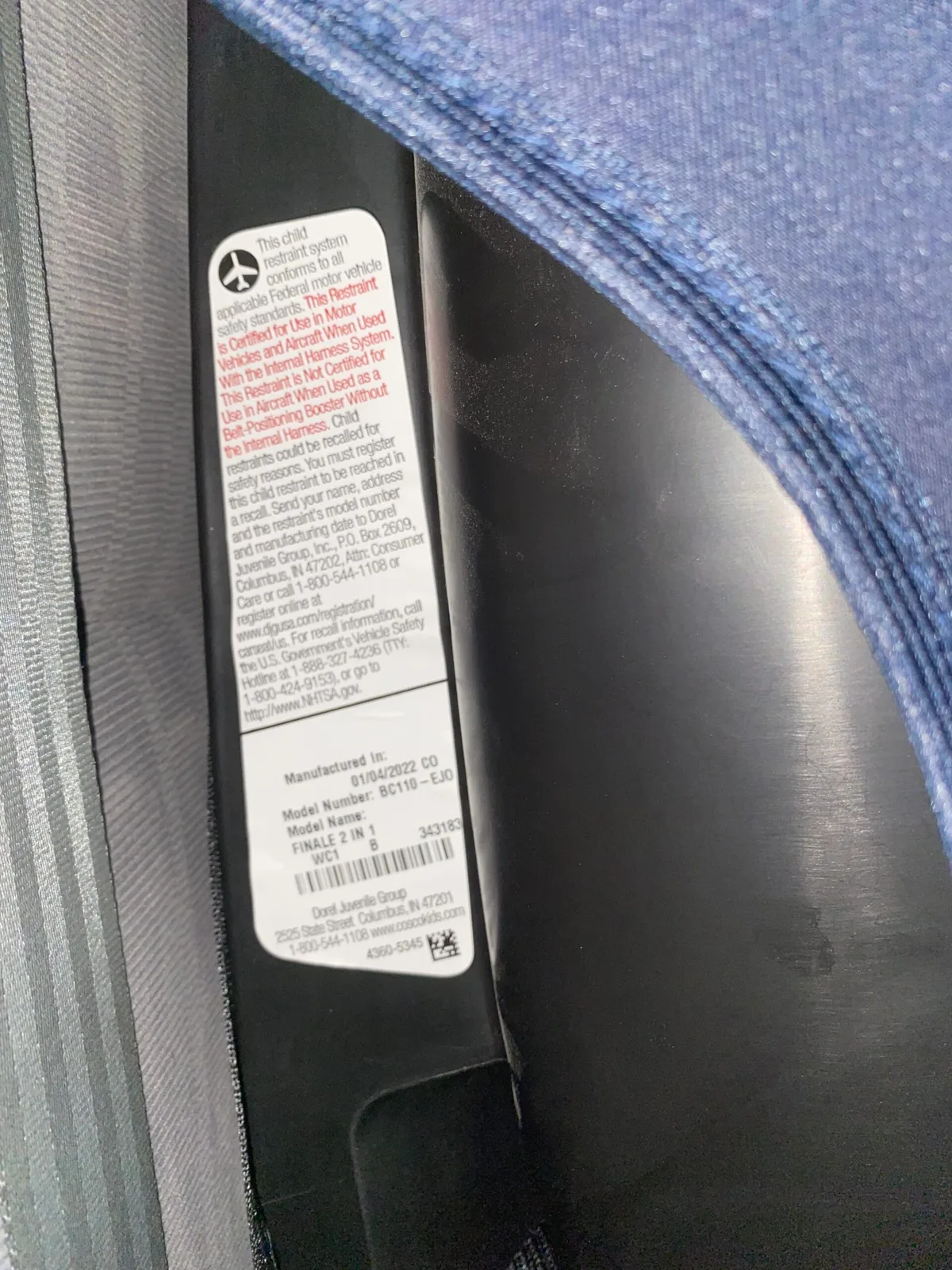
Image source: Web (Bing) / kidtravel.org (Web image (fair-use with source credit))
If the label is missing, illegible, or faded beyond reading, treat the seat as expired immediately. There’s no way to verify its age or history, and that’s a risk no parent should take. Without a readable label, you have zero way to know if the plastic is 3 years old or 10 years old.
Mistakes to Avoid With Expired Seats
The duct-tape fix is the one that hurts to see. Some parents try to patch a cracked shell and keep using the seat. Cracks in the plastic mean the structure is compromised.
No amount of tape restores the integrity of the shell, and the seat will not perform as designed in a crash.
Selling or donating an expired seat is another major mistake. It might feel responsible to pass it along to someone who needs it, but you’re handing over a safety device past its certified lifespan. Most donation centers and thrift stores won’t accept used car seats for this exact reason.
If they do, they shouldn’t.
Reusing a booster because your kid still fits is a common logic trap. A 7-year expiration on a booster seat isn’t based on when a child grows out of it. It’s based on when the plastic and padding lose their protective properties.
A child sitting in an expired booster is riding with the same degradation risks as any other expired seat.
Finally, never buy a used seat from a marketplace listing that can’t verify the date of manufacture. Even if the label is visible, you have no proof the seat wasn’t in a crash. Saved money isn’t worth the unknown.
What to Do With an Expired Car Seat
Proper disposal takes about five minutes. First, remove the harness straps and the chest clip. These parts can be repurposed by someone who doesn’t know better, so destroying them matters.
Cut the webbing into strips so it can’t be re-threaded.
Next, write “DO NOT USE” in permanent marker on the plastic shell and the bottom of the seat. This ensures the seat can’t be resold or donated by accident. If your community curbside recycling accepts hard plastics, check the number on the shell.
Many are made from polypropylene (resin code 5), which some programs take.
Several major retailers run car seat trade-in events through the year. Target has an annual program that gives you a discount on a new seat in exchange for your old one. Even if they’re not recycling the plastic, they’re keeping it out of a landfill or second-hand market.
Storage is not an option. An expired seat should never be kept “just in case” for a babysitter or a future child. By the time you need it again, it will be even further past its safe lifespan.
The Legal and Insurance Side You Haven’t Thought About
Car seat expiration sits at the intersection of safety and liability in a way that surprises most parents. When a seat passes its expiration date, the manufacturer’s warranty is officially void. More importantly, their liability ends too.
If the seat fails in a crash after expiration, the manufacturer holds zero responsibility for the outcome.
Automobile insurance companies have taken notice. Your policy covers the vehicle and its occupants, but a claim involving an expired car seat could be reviewed more harshly. In a serious collision, your insurer could argue that you failed to comply with manufacturer safety guidelines.
That language has been used to deny or reduce payouts.
FMVSS 213 exists to protect children in a crash, but it’s enforced against manufacturers, not parents. There’s no federal law that says “you can’t use an expired car seat.” State laws typically reference the manufacturer’s instructions and weight limits instead. However, most states do have laws about child restraint use, and ignoring the seat’s expiration goes against manufacturer guidance.
Child passenger safety technicians (CPSTs) are trained to flag expired seats at inspection events. If you bring in a seat past its date, they’ll show you the label and explain the risks. They won’t certify it for use, and they’ll recommend immediate replacement.
Expert Tips on Buying a New Seat That Will Last
Check the date of manufacture before you buy, even when it’s fresh out of the box. Retail stock can be years old. Sit on the floor of the store or at your doorstep and flip the seat over.
If the DOM is already 2 years old, you’ve just lost a quarter of the seat’s useful life before it’s even used.
Look for a seat with a longer stated lifespan. Most brands offer 7 years, some newer models stretch to 10. If you’re buying for a newborn, a 10-year seat could cover your child’s entire car seat journey, from infant to booster.
That’s worth factoring into the price.
Compare the expiration policy to your child’s growth timeline. An infant seat with a 6-year life is fine if you plan to switch by age 2. A convertible seat you intend to use for the next 6 years needs a longer window.
Write down the expiration date on the registration card and the seat itself, then set a phone reminder a few months before it lapses.
Aggregate reviews report that pricier seats don’t automatically last longer. Material quality improves with cost, but the expiration timeline is a manufacturer decision, not a material property. A budget seat can carry an 8-year lifespan while a premium seat stops at 6.
Read the fine print before assuming a higher price means more years of service.
FAQs: Common Questions Parents Still Ask
Does my car seat expire if I never used it?
Yes, an unused seat still expires on the same timeline. The degradation clock starts at the date of manufacture, not at first use. Plastic and foam age regardless of whether they’ve held a child.
A “new” seat that sat in a hot garage for 7 years is just as compromised as one that was used daily.
Can I replace just the harness to extend the seat’s life?
No. The harness is only one component. The plastic shell, foam padding, and buckle all degrade independently.
Even with a brand-new harness, the shell’s structural integrity is still past its certified lifespan. Replacement straps are only meant for wear and tear within the seat’s valid expiration window, not for extending it.
What about airplane use, does the expiration still apply?
Airline approval is separate from expiration. Most airlines require a label showing the seat meets FAA approval, and they’ll also check the expiration date. A seat past its expiration won’t be allowed on a plane.
Even if it were, the crash forces in an aircraft demand the same structural integrity that a car does.
Can I use an expired seat for a child who is nearly the height or weight limit?
No. The expiration date applies regardless of how much room your child has left in the seat. A child who fits perfectly in an expired seat is still riding in a structure that no longer meets safety standards.
The structural degradation is the same whether the passenger weighs 15 pounds or 50 pounds.
What if the expiration label is worn off?
Treat the seat as expired and replace it immediately. Without a readable date, you can’t verify the age, crash history, or manufacturer specifications. Call the manufacturer with the model number and serial number if they’re still visible.
If they can’t confirm the date of manufacture, the seat is done.
The Bottom Line: When in Doubt, Throw It Out
Car seat expiration exists for one reason: child safety. The plastic shell, foam padding, and harness webbing break down chemically and physically over time, even if the seat looks perfect. FMVSS 213 tests new seats only, and manufacturers set expiration dates at the point where they’ll no longer guarantee crash performance.
If you’re unsure about a seat’s age, condition, or history, replace it. Used car seats from unknown sources are a gamble no parent should take. Compare the uncertainty against the cost of a new seat, and the answer becomes obvious.
Register any new seat you buy so you receive recall notifications. Mark the expiration date on the seat itself and in your phone calendar. And when that date arrives, cut the straps, write “DO NOT USE” on the shell, and recycle it properly.
Your child’s safety is worth far more than the cost of a new seat.



2 Comments