Step-by-step: What Is Car Seat in Uber
Uber offers a car seat feature in select cities. You’ll see it as a separate ride option called Uber Car Seat. The driver provides an IMMI Go booster seat and installs it for you.
It costs extra and has strict weight limits. Your child must weigh 22 to 48 pounds and be forward-facing.
How the Uber Car Seat Feature Works (and Where It Exists)
Uber rolled out this feature to solve a very real problem. Parents traveling without their own car seat face a legal and safety dilemma. The solution is simple.
Uber added a dedicated ride type where the driver carries an IMMI Go seat in the trunk. When you book, you’re matched with a driver who has one on board. They install it before the ride, and they uninstall it after you arrive.

Image source: Web (Bing) / pinterest.com (Web image (fair-use with source credit))
The feature works like any other Uber ride. You open the app, pick Uber Car Seat instead of UberX, and confirm your pickup. The key difference is the driver is trained to handle the seat.
They’ll check your child’s weight and height against the seat’s limits. If your child doesn’t fit, the driver can refuse the ride. That’s a protection for everyone involved.
The IMMI Go: The Only Seat Uber Uses
Uber chose a single model for this feature. It’s called the IMMI Go. This is a forward-facing, harnessed booster seat designed for travel and rideshare use.
It’s not a typical bulky car seat. It folds flat, making it easy for drivers to store between rides.
The IMMI Go uses a 5-point harness system. That’s the same type of restraint found in infant carriers and convertible seats. It secures your child at the shoulders, hips, and between the legs.
The seat installs with the vehicle’s seatbelt, not the LATCH system. This is important because not every car has LATCH anchors, and those that do have weight limits.
One thing parents often ask is whether the IMMI Go is safe. The seat meets FMVSS 213 standards. That’s the US federal safety regulation for child restraints.
As of 2026, it remains the only seat Uber uses in the US and UK markets. If you want to verify its performance, the manufacturer’s website has crash-test documentation and compliance details.
Which Cities Offer Uber Car Seat (US & UK)
Here’s the catch. The feature isn’t everywhere. Uber has rolled it out slowly, mostly in major metropolitan areas.
If you’re planning a trip, you need to check availability before you land.
| Region | Cities with Uber Car Seat |
|---|---|
| United States | New York City, Washington DC, and a handful of other major metros |
| United Kingdom | London only |
| Other regions | Not currently available |
The list changes over time. Uber has expanded it gradually since launching the feature. But don’t assume your destination is covered.
Open the app, switch to the Uber Car Seat ride type, and see if available cars pop up. If the option isn’t in your app, it’s not in your city, period.
For parents traveling with kids, this means planning ahead. If you’re heading to a city without the feature, you’ll need to bring your own seat or arrange alternative transportation. That’s the reality right now.
What It Costs Per Ride (and Why It’s Pricier)
Expect to pay a premium for this service. The exact amount varies by city, time of day, and demand. In our research, the surcharge typically runs $10 to $15 per ride on top of the standard UberX fare.
In London, it’s similar, with an additional fee of around £4 to £8.
Why the extra cost? The driver needs to store the seat, maintain it, and spend time installing and removing it for every ride. That’s a significant investment on their end.
The IMMI Go retails for around $250 to $300. Drivers are covering that cost themselves, hoping the extra ride requests make it worthwhile.
The premium adds up quickly. If you’re taking multiple trips per day, the fees can rival what you’d pay for a rental car. That’s why it’s worth comparing your options before you commit.
For a single ride, it’s fine. For a weeklong trip with daily outings, there may be cheaper alternatives.
Is Uber Car Seat Right for Your Child?
Not every child qualifies for this feature. The IMMI Go has specific limits, and they’re non-negotiable. If your child exceeds them, the driver can’t legally transport them in that seat.
Understanding these limits before you book saves you frustration and wasted time.
Weight and Height Limits: The IMMI Go’s 22–48 lbs Zone
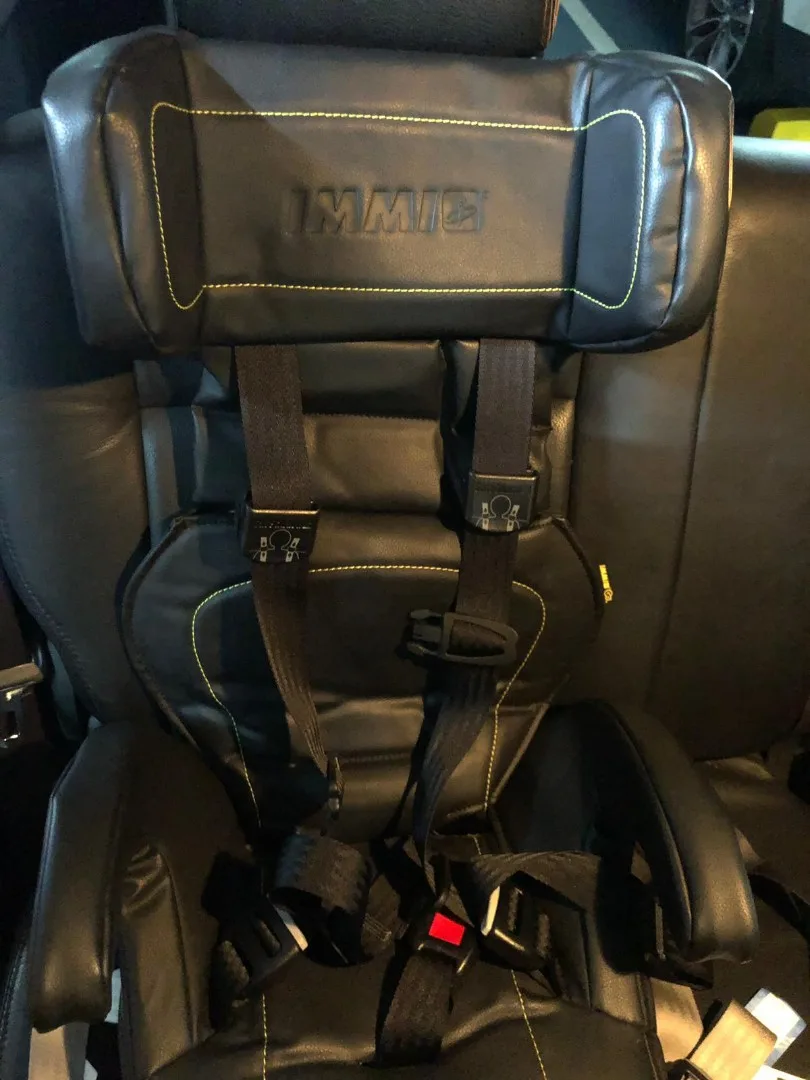
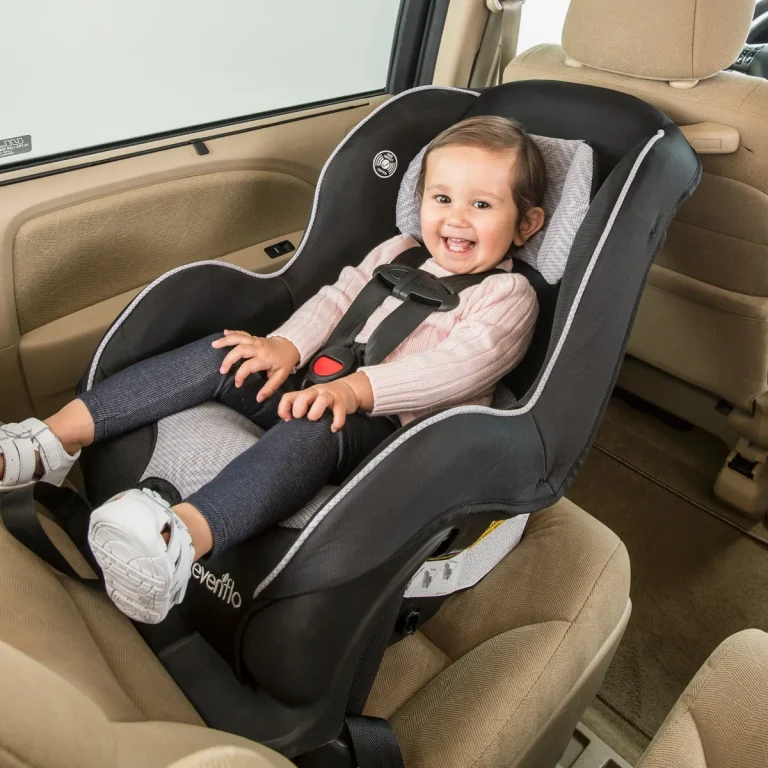
Image source: Web (Bing) / carousell.sg (Web image (fair-use with source credit))
The IMMI Go accommodates children weighing between 22 and 48 pounds. That’s roughly 10 to 22 kilograms. The height range is 29 to 52 inches, which is about 74 to 132 centimeters.
These aren’t arbitrary numbers. They’re based on the seat’s crash-test data. The harness is designed to fit properly within these dimensions.
Here’s the tricky part. Weight and height limits don’t always align with age. A small 4-year-old might fit easily.
A large 2-year-old might already be too heavy. The driver will check your child against these specs before you leave. If there’s any doubt, they’ll ask.
Be honest with them. Riding in a seat that’s too small is dangerous.
Forward-Facing Only: What That Means for Infants
The IMMI Go is a forward-facing seat only. It cannot be installed rear-facing. This matters because most state laws require infants to ride rear-facing until age 2 or until they reach the seat’s rear-facing limit.
If your child is under 1 year old or hasn’t met your state’s rear-facing requirements, this feature won’t work for you.
Uber created this service with toddlers in mind, not babies. For infants, you’ll need to bring your own rear-facing seat. The good news is that Uber drivers can’t refuse a child in a properly installed, government-approved rear-facing seat that you’ve brought along.
It’s a viable backup plan if you’re traveling with a baby.
Parents in this situation often wonder about the right age to face a child forward. The short answer is to follow your state’s laws. Generally, rear-facing until at least age 2 is the safest recommendation.
If you’re unsure, consult your pediatrician or your state’s DMV website.
Single Seat Limitation: When It Won’t Work for Your Family
Each Uber Car Seat vehicle carries exactly one IMMI Go. There’s no option to request two seats in a single car. If you have two children under 48 pounds, this feature simply won’t work.
You’ll need to request two separate cars, which is inefficient, or explore alternatives.
This limitation catches many parents off guard. They show up with two kids and realize one car won’t suffice. For twins or close siblings, the logistics get complicated fast.
A better approach is to bring your own seats or consider a different option like renting a car.
The feature also doesn’t accommodate children who’ve outgrown harnessed seats entirely. If your child weighs over 48 pounds or is over 52 inches tall, they don’t qualify for the IMMI Go. They would need a booster seat, which the Uber Car Seat feature doesn’t provide.
In that case, switching to a booster seat becomes your responsibility.
The Step-by-Step Process: Booking a Car Seat Ride
Once you’ve confirmed the feature is available and your child fits the seat’s limits, the booking process is straightforward. Here’s exactly what happens, from app to drop-off.
Step 1: Open the App and Select the Right Ride Type
Launch your Uber app and enter your destination. You’ll see a list of available ride types. Look for the one labeled “Uber Car Seat” or “UberX Car Seat.” It’s typically listed alongside UberX, Uber Comfort, and other options.
If you don’t see it, the feature isn’t available in your area.
Select it before you confirm your pickup. You can’t upgrade to a car seat after booking a regular UberX. The system matches you with a driver who has the seat installed.
That match happens based on the ride type you choose, so make the selection upfront.
Step 2: Confirm Your City Supports It
Before you even open the app, check whether Uber Car Seat operates in your city. A quick search of “Uber Car Seat [your city]” will tell you. Uber’s website also maintains a list of supported locations.
If you’re traveling, check the destination city’s availability, not your home city’s.
There’s nothing worse than booking a trip, waiting for a driver, and having them cancel because the seat isn’t eligible in your area. The app should prevent this, but it’s not foolproof. Being proactive saves you the headache.
Step 3: Check Your Child Fits the Seat Specs
Before requesting the ride, verify your child’s current weight and height. Weigh them if you’re unsure. Chart their height against a wall.
This takes two minutes and prevents a wasted trip. The driver will verify these details on arrival anyway. Knowing them in advance lets you explain the situation confidently.
Remember the limits: 22 to 48 pounds and 29 to 52 inches. Forward-facing only. If your child falls outside these ranges but is still legally required to be in a car seat, this feature isn’t for you.
Bring your own seat instead.
Step 4: What to Expect When the Driver Arrives (Installation, Wait Time)
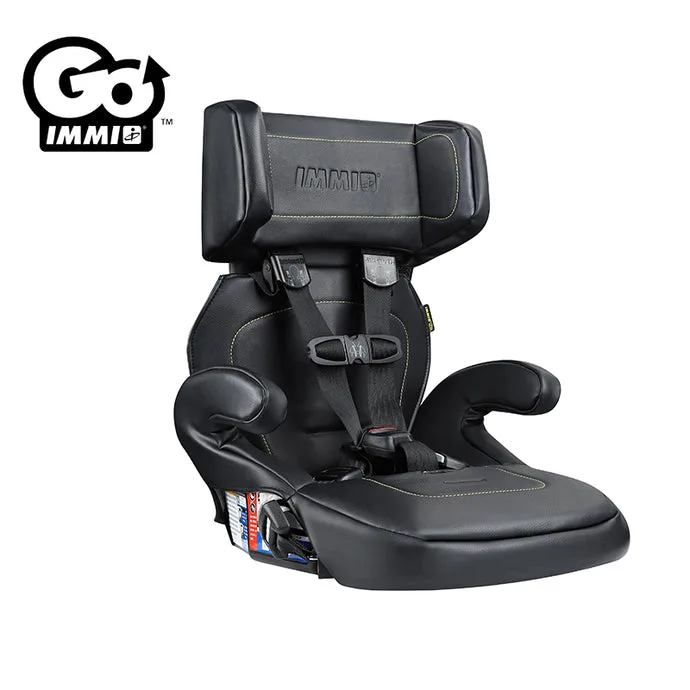
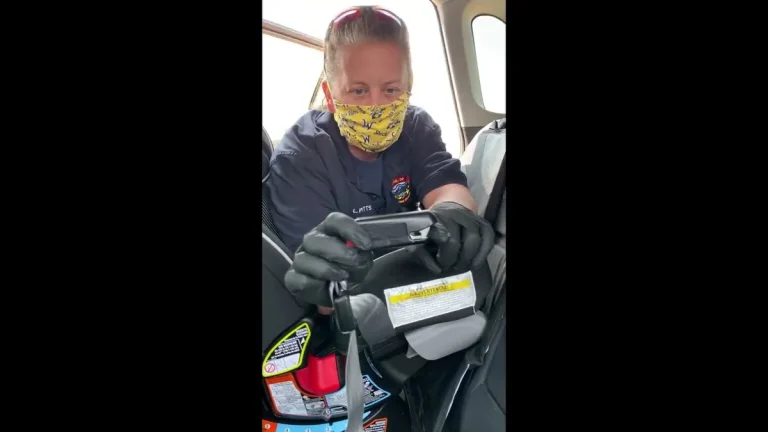
Image source: Web (Bing) / ktlcares.com (Web image (fair-use with source credit))
When your driver arrives, they’ll confirm your child’s details and then install the seat. Expect this to take two to three minutes. The driver will route the vehicle’s seatbelt through the seat’s belt path and secure the tether strap.
They should do this without your help. That’s part of the service.
Don’t be alarmed if the driver seems meticulous. They’re following a checklist, and that’s a good thing. A properly installed seat is the difference between safety and disaster in a collision.
If something looks wrong to you, say something. You have the right to refuse a ride if you’re uncomfortable.
The ride time is typically capped at 30 to 45 minutes per trip. Uber built this limit into the feature to keep the seat available for multiple riders. If you need a longer trip, you might be asked to book another ride or explore alternatives.
Step 5: Ride Time Limits and What Happens After 30–45 Minutes
Most Uber Car Seat rides are limited to 30 to 45 minutes. The app will warn you if your destination exceeds this limit. For airport trips from city centers, this usually isn’t an issue.
For longer hauls, it can be a problem.
If your ride exceeds the limit, the driver has the discretion to continue or end the trip early. In practice, most drivers will complete the trip if traffic was the culprit. But you shouldn’t rely on that.
Plan your route, and if it’s longer than 45 minutes, consider a car rental or a different transportation method.
The Decision Tree: Should You Use Uber Car Seat or Bring Your Own?
This is the real question every parent faces. The answer depends on your specific situation. Here’s a practical breakdown to help you decide.
Branch 1: Your Child Weighs Under 48 lbs and Meets Height Limits
This is the best-case scenario. Your child fits the IMMI Go perfectly. You’re in a city with the feature.
The surcharge is worth it for the convenience. Book the ride and enjoy not hauling a car seat through the airport. This is the intended use case, and it works well.
For a quick trip, one or two rides, this option is hard to beat. You save luggage space, avoid the hassle of installation, and get a properly fitted seat. Just remember to check availability in advance and budget for the extra cost.
Branch 2: Your Child Is an Infant (Under 1 Year / Rear-Facing Required)
Uber Car Seat won’t work for you. The IMMI Go is forward-facing only. You must bring your own rear-facing infant seat or convertible seat installed rear-facing.
This adds luggage but ensures your baby stays legal and safe.
Rideshare drivers in the US are generally required to accept passengers with properly installed child seats. You don’t need to tell them in advance. Just show up with the seat and be prepared to install it yourself.
Expect some drivers to be unfamiliar with your specific seat model. Patience and clear instructions go a long way.
If you’re not sure about the right age to switch your baby forward, err on the side of rear-facing. Most pediatricians recommend rear-facing until age 2 or until the child outgrows the seat’s limits. Check your state’s laws for the minimum requirement.
Branch 3: Your Child Exceeds the IMMI Go Weight Limit
If your child weighs over 48 pounds but is still legally required to be in a booster seat, you’re in a gray area. Uber Car Seat won’t accommodate them. You’ll need to bring your own booster seat or ride in a vehicle that doesn’t require one, depending on your state’s laws.
Some states require booster seats until age 8 or until the child reaches 4 feet 9 inches tall. If your child falls into this category, a travel booster seat is your best bet. These are lightweight, portable, and easy to set up in a rideshare.
The state-specific rules vary, so check your local regulations before traveling.
Branch 4: You’re Traveling in a City Without Uber Car Seat Availability
This is the most common scenario. The feature simply isn’t in most cities. Your options are to bring your own seat or find alternative transportation.
For many parents, bringing a travel car seat is the easiest, most reliable solution.
Lightweight travel seats are designed for exactly this purpose. They’re compact enough to carry through airports and simple to install in any vehicle. The trade-off is that they’re not as plush as full-size seats.
But for a week of rideshares and rental cars, they work fine.
If you frequently travel with kids, investing in one of these seats pays for itself quickly. You’ll never have to worry about availability or compatibility again. It’s a small price to pay for peace of mind.
Cost Breakdown: Uber Car Seat vs. Alternatives
Pricing matters. Here’s how the numbers stack up across your realistic options.
| Option | Typical Cost | Convenience Level |
|---|---|---|
| Uber Car Seat | +$10–$15 per ride (US) | High, but limited cities |
| Bringing your own seat | Free (luggage space costs) | Moderate, you install it |
| Rental car with seat add-on | +$10–$15 per day | Moderate, one-time setup |
| Taxi with car seat | Rarely available | Low, unreliable |
For a single trip, Uber Car Seat wins on effort. For a week of travel, a rental car with a seat often beats it financially. Run the math for your trip length before booking anything.
Real-World Scenarios: When the Feature Works (and When It Fails)
Scenario 1: Tourist in NYC with a 3-Year-Old
A family visiting Manhattan for a weekend needs three rides. The child weighs 30 pounds and fits the IMMI Go perfectly. Uber Car Seat charges $12 extra per ride.
Total cost: $36. The parents avoid hauling a seat through LaGuardia. This is the feature working exactly as intended.
Scenario 2: Business Trip with a Toddler, No Car
A parent flying solo with a 2-year-old weighs 26 pounds. They need one ride from the airport to a hotel. Uber Car Seat costs $14 extra.
The alternative is dragging a 20-pound car seat through security. The premium is worth it for that single ride.
Scenario 3: Two Kids, Both Needed a Seat
Two siblings, ages 2 and 4, need rideshare transport. Uber Car Seat only carries one seat. The parent must request two separate cars.
That’s double the wait, double the cost, and double the hassle. Bringing their own seats in a rental car becomes the better play.
Scenario 4: The Late-Night Airport Run When Nothing’s Available
A late flight lands at 11 PM. The parent opens the app and finds zero Uber Car Seat vehicles nearby. The backup plan is a standard UberX with their own travel seat.
They’re grateful they packed one.
Safety, Legal, and Compliance: What You Must Know
Child passenger safety laws vary by state. Every state requires children to ride in an appropriate restraint. Most mandate rear-facing until age 2 or the seat’s limits.
After that, a forward-facing harnessed seat until roughly 4 or 40 pounds. Then a booster until age 8 or 4’9″ tall.
If you ride without a proper seat, you risk a citation. Fines range from $50 to $500 depending on your state. The legal responsibility falls on the driver in most states.
That’s why many drivers refuse riders without seats.
Uber Car Seat solves this by providing a compliant seat. The driver handles installation and ensures it meets federal standards. Parents should still verify the seat’s condition.
Check for cracks, worn harnesses, or missing parts. A damaged seat is not safe.
The NHTSA’s guidelines are the gold standard for car seat safety. They spell out exactly when a child should move from rear-facing to forward-facing. Refer to them when planning any trip.
Mistakes That Will Get Your Ride Canceled (Or Worse)
| Mistake | Consequence |
|---|---|
| Booking without checking availability | Driver cancels, you wait |
| Assuming infants can ride | Driver refuses, illegal restraint |
| Ignoring the weight limit | Unsafe harness fit |
| Expecting two seats in one car | No available ride |
| Not checking seat condition | Safety risk |
The Best Alternatives to Uber Car Seat (Ranked by Convenience)
1. The Travel Car Seat Solution
Lightweight, foldable seats designed for rideshare use. They fit in overhead bins and install with a seatbelt. Brands like the portable booster options work well for older kids.
The trade-off is less padding and comfort.
2. The Rideshare-Specific Harness Vest
A harness vest converts a regular seatbelt into a child restraint. It’s compact and airline-approved. Not every state recognizes them, so check local laws first.
When approved, it’s the most packable option available.
3. The “Ship It Ahead” Approach
For long stays, ship your car seat to your destination. It saves luggage space and guarantees a seat you trust. The cost is roughly $30, $50 each way.
It works best for trips longer than a week.
4. The Rental Car Route
Renting a car with a seat add-on costs $10, $15 per day. You get a full-size, everyday seat. The downside is the cost of the rental itself, plus parking.
For trips with many short hops, this often beats rideshare pricing.
The 30-Second Bolt-On: What to Have Ready Before You Book
Before you request any rideshare with a child, run this quick checklist:
- Your child’s current weight and height (not your estimate)
- Your destination city’s Uber Car Seat availability status
- A backup plan if no car seat rides are nearby
Write these down now. Keep them in your phone’s notes app. You’ll save yourself 15 minutes of scrambling at the airport curb.
Final Verdict: Is Uber Car Seat Worth It?
The feature is a genuine convenience for the right traveler. If your child falls in the 22 to 48 pound range and you’re in a supported city, it’s a solid option. The $10, $15 surcharge beats hauling a seat through an airport.
But it’s not a complete solution.
For infants, two kids, or heavier children, it falls short. Those families need a different strategy. A travel car seat is the most reliable fallback.
The bottom line: know your child’s numbers, check availability early, and always pack a backup plan. Uber Car Seat is a tool, not a cure-all. Used correctly, it’s a lifesaver.
Frequently Asked Questions
Can I bring my own car seat in an Uber?
Yes. Drivers must accept passengers with properly installed child seats. Install it yourself and ensure it’s secure.
Most drivers are familiar with this process.
Does Uber have car seats in every city?
No. The feature is limited to select major metros in the US and London in the UK. Check your app for availability before traveling.
Can I request a car seat after booking a regular UberX?
No. Car Seat is a separate ride type. You must select it when booking.
You can’t upgrade mid-ride.
What happens if the driver doesn’t have the car seat installed?
This shouldn’t happen if you booked Uber Car Seat. If a standard UberX arrives, decline the ride. Contact Uber support for a refund and rebook.
Is the IMMI Go safe? What certifications does it have?
The IMMI Go meets FMVSS 213, the US federal standard for child restraints. It’s crash-tested and approved by the manufacturer.
Can my 5-year-old use the Uber Car Seat if he’s over 48 lbs?
No. The seat’s harness is rated for 22 to 48 pounds. Exceeding that compromises safety.
Bring a booster seat instead.
The 30-Second Bolt-On: What to Have Ready Before You Book
Run this checklist before any rideshare with a child.
- Your child’s current weight and height, not your estimate
- Your destination city’s Uber Car Seat availability status
- A backup plan if no car seat rides are nearby
Save these details in your phone’s notes app. It takes 30 seconds and prevents a world of airport-curb scrambling.
Final Verdict: Is Uber Car Seat Worth It?
Yes, for the right traveler. Your child must weigh 22 to 48 pounds and ride forward-facing. You need to be in a supported city.
Under those conditions, the $10 to $15 surcharge beats dragging a seat through security.
For infants, two kids, or heavier children, it falls short. Those families need a travel car seat or a rental car. Know your child’s numbers, check availability early, and always pack a backup plan.
Used correctly, this feature is a genuine lifesaver.
Frequently Asked Questions
Can I bring my own car seat in an Uber?
Yes. Drivers must accept properly installed child seats. Install it yourself before the ride starts.
Does Uber have car seats in every city?
No. The feature is limited to select US metros and London. Check your app before traveling.
Can I request a car seat after booking a regular UberX?
No. Car Seat is a separate ride type. You must select it when booking.
What happens if the driver doesn’t have the car seat installed?
Decline the ride if you booked Uber Car Seat. Contact support for a refund and rebook.