When Is a Car Seat Expired? Signs You Should Know
If you’ve ever pulled a car seat out of storage and wondered whether it’s still safe to use, you’re not alone. The question “when is a car seat expired” comes up for every parent eventually, and the answer isn’t always obvious from a quick glance. The short version is this: most car seats expire between six and ten years from the date of manufacture, and the exact date is molded or printed right on the seat itself.
Manufacturer specifications follow testing standards set by the FMVSS 213 (Federal Motor Vehicle Safety Standard), which governs how child restraints perform in crashes. As of 2026, every seat sold in the U.S. carries a visible expiration date, though the location varies by brand. The problem is that many parents never find that label until it’s too late, or they assume a seat that “looks fine” is still safe.
Neither assumption holds up under scrutiny.
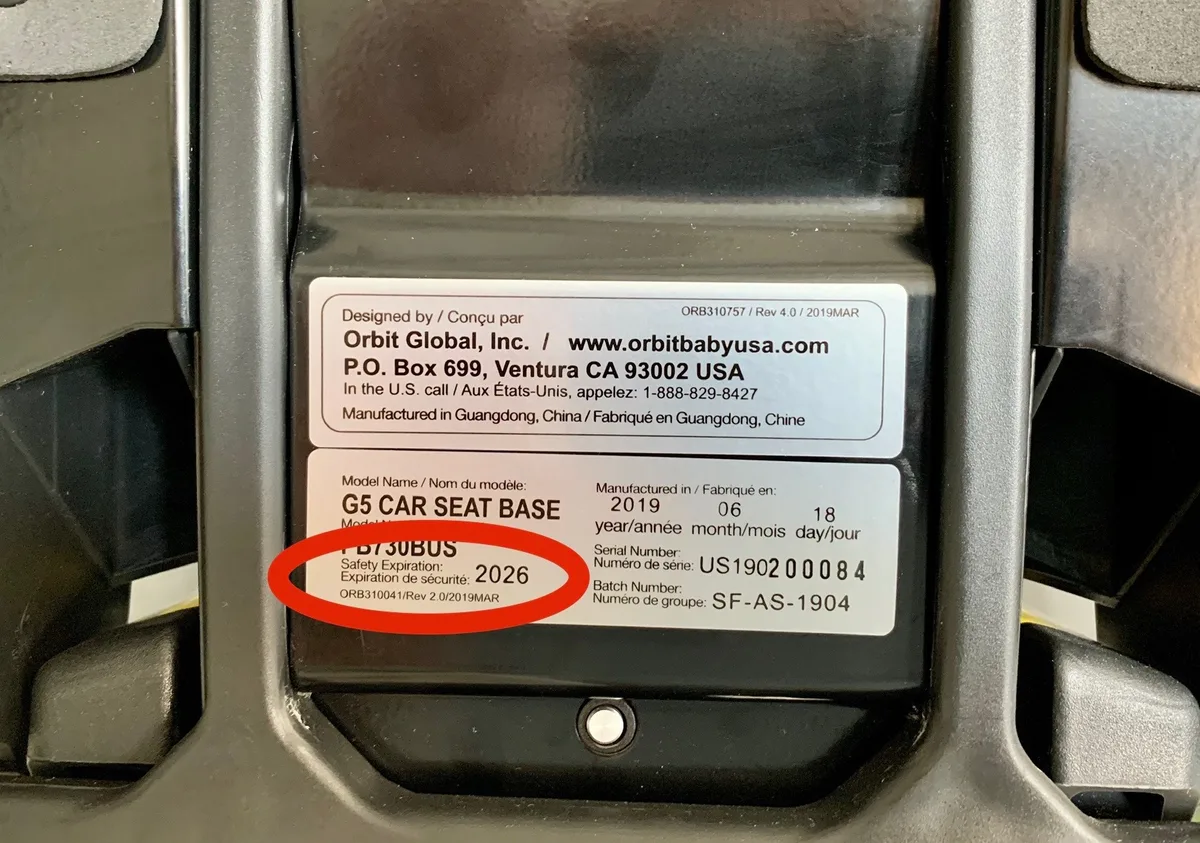
Image source: Web (Bing) / exploramadeira.com (Web image (fair-use with source credit))
Quick Answer
Most car seats expire 6 to 10 years from the manufacture date. The exact date is printed on the seat’s label. Check the underside, back, or edge of the seat shell.
If you can’t find the label, contact the manufacturer with the model number. Never use a seat past its expiration date, even if it looks new.
Why Do Car Seats Expire Anyway?
Car seats are made of plastic, foam, and fabric, and none of those materials last forever. The plastic shell is the main structural component, and it’s designed to absorb crash forces by flexing and cracking in controlled ways. Over time, the polymer chains in that plastic break down, making the shell more brittle and less able to absorb impact energy.
Heat is the biggest culprit. The inside of a parked car can reach 150°F or more in summer, and that heat accelerates the chemical breakdown of the plastic. Cold temperatures cause their own damage through thermal cycling, where the plastic expands and contracts repeatedly.
After years of this stress, micro-fractures develop inside the material.
You can’t see these fractures with your eyes. The seat might look perfectly fine, but its structural integrity is compromised. A seat that’s past its expiration date may not perform the way it did when it left the factory, and in a crash, that difference matters.
There’s also a practical component. LATCH connectors, buckles, and adjuster mechanisms contain moving parts that wear with use. Foam padding compresses and loses its ability to absorb energy.
The harness webbing can weaken from UV exposure and repeated tightening. These components are all part of the seat’s crash protection system, and they all degrade on their own timelines.
The six-year guideline that most manufacturers use is conservative, but that’s intentional. It accounts for normal wear, typical temperature exposure, and the safety margin needed for real-world conditions. Some brands like Graco and Britax use seven years for certain models, while others like Diono and Clek stretch to eight or ten.
The exact number depends on the materials used and the manufacturer’s testing.
What’s Actually Inside That Wears Out?
The car seat’s plastic shell, usually made of polypropylene, is the primary structure that distributes crash forces across your child’s body. This shell is engineered to specific tolerances, and even small changes in material strength can affect how it performs.
The harness system includes the webbing straps, buckles, and adjusters. These parts see constant use and friction, which causes wear over time. Webbing that becomes frayed or faded may not hold a child securely in a crash.
The buckle mechanism can corrode or accumulate debris that prevents proper latching.
The foam cushioning, typically expanded polystyrene (EPS) or expanded polypropylene (EPP), sits under the cover to absorb impact energy. Over years of compression and heat exposure, this foam can lose its ability to spring back and absorb force. It’s one of the first components to degrade, even if you can’t see it from the outside.
These components work together as a system. The shell provides the frame, the harness keeps the child in place, and the foam absorbs the impact. If any one of these parts has degraded, the entire system’s effectiveness drops.
How to Find the Expiration Date on Your Specific Seat
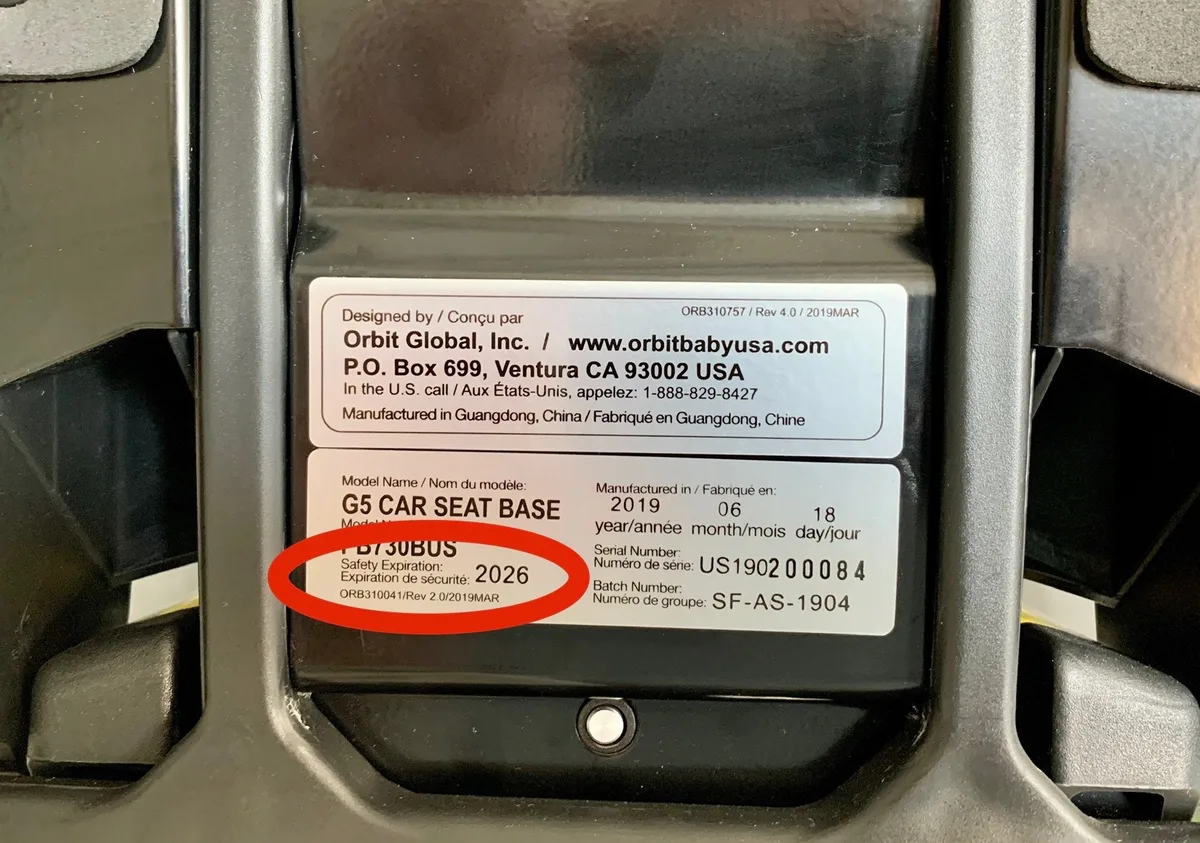
Image source: Bing (Web (fair-use with source credit))
The expiration label is usually a sticker or raised plastic molding, and it’s placed somewhere on the seat shell rather than on the fabric cover. Common spots include the underside of the seat, the back of the seat shell, or along the side edge near the harness adjuster.
Start by flipping the seat over. Most manufacturers put the date of manufacture and the expiration date on a white or silver sticker attached to the plastic base. Look for a label that says “Do not use after” or “Expiration date” followed by a month and year.
Some seats use a separate sticker for the manufacture date, marked “Date of manufacture” or “DOM.”
If the sticker is missing, check the bottom edge of the seat’s shell. Some brands mold the expiration date directly into the plastic, making it impossible to peel off or fade away. You might need to pull back the fabric cover and padding to see this one.
The date format varies. Most U.S. seats use a month and year format (for example, 07/2030). Some use a year-only format (for example, 2029).
Canadian and international seats may use a different format, like day-month-year.
If you can’t find any label or stamp, locate the model number and serial number. These are usually printed on a separate sticker alongside the date. Contact the manufacturer directly with this information, and their customer service team can look up the date of manufacture from the serial number.
Mistakes to Avoid: Common Errors That Put Kids at Risk
One of the most dangerous mistakes is assuming a seat is fine just because the date isn’t printed somewhere visible. Some parents never find the label, assume the seat is okay, and use it for years past its expiration. That’s a gamble no parent should take.
Another common error is confusing the expiration date with a recall date. Recalls and expirations are completely different things. A seat can be expired but never recalled, and a seat can be under a recall long before its expiration date.
You need to check both regularly.
Parents also frequently buy hand-me-down seats from friends or family members. The previous owner might not know the seat’s age, and they might not disclose that the seat was in a crash. If you don’t know the car seat’s full history, including whether it was ever in a moderately severe collision, you shouldn’t use it.
Ignoring crash history is another critical mistake. Even a seat that’s well within its expiration date must be replaced after a moderate or severe crash. The rule is straightforward: if the crash was severe enough to deploy the airbags, push the car to a stop, or cause visible damage to the car, the car seat needs to be replaced.
Hidden labels are a sneaky trap. Many parents check the obvious spots, find nothing, and conclude the seat doesn’t have an expiration date. But manufacturers often hide labels under fabric, behind padding, or in recessed areas of the shell.
If you’re not thorough, you’ll miss it. Take the seat apart as much as you’re comfortable with and check every surface before deciding there’s no date.
Who Needs to Pay the Most Attention?
If you’re using a brand-new seat you bought at a retail store, you’re in the clearest position. You know the purchase date, you have the manual, and you can register the seat for recall alerts. But a huge share of car seats in use today are secondhand, passed down through families or bought at consignment sales.
Parents with hand-me-down seats face the biggest risk. A sibling’s seat might be six years old and still look pristine. But if you can’t verify its full history, including whether it was ever involved in a crash, you’re flying blind.
The same applies to seats passed between friends or extended family members.
Daycare centers and preschools often keep spare seats for transportation. These seats may sit in storage for months at a time. Heat exposure in a storage shed or van can accelerate aging faster than regular use.
Multi-vehicle families should track expiration dates across every seat they own. It’s common for one seat to be replaced while an older one stays in the second car past its date. Write the expiration date on a piece of tape and stick it to the seat base for quick reference.
That simple habit prevents accidental use of an expired seat.
Crash Replacement Rules: It’s Not Just About Expiration
A car seat must be replaced after a moderate or severe crash, even if the expiration date is years away. The National Highway Traffic Safety Administration (NHTSA) defines a moderate crash as one where the vehicle had to be towed, the airbags deployed, or any occupant sustained injuries. If any of those conditions apply, the seat’s structural integrity is compromised.
Minor crashes, where the car is drivable and no one is hurt, typically allow the seat to remain in use. NHTSA specifies that all of the following must be true to keep the seat: the vehicle could be driven away from the crash scene, the door nearest the seat was undamaged, no passengers were injured, and the airbags stayed undeployed. If any one of these fails, replace the seat.
Many parents don’t realize that insurance policies often cover car seat replacement after a crash. Geico, State Farm, and Progressive all provide coverage for child restraints in most states. You may need to provide a receipt and documentation of the crash, but it’s worth asking.
A new seat costs less than what insurers typically pay out for child safety equipment.
If you’re unsure whether a crash was severe enough to warrant replacement, err on the side of caution. Contact a certified Child Passenger Safety Technician (CPST) for guidance. They can inspect the seat and help you decide whether it needs to be retired.
Most inspections are free at local fire stations or children’s hospitals.
Safe Disposal and Recycling Options
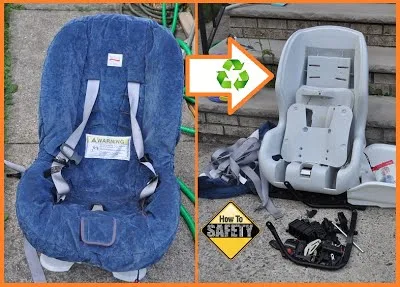
Image source: Bing (Web (fair-use with source credit))
Never donate an expired car seat to a charity or hand it down to another family. The seat is past its safe usable life, and passing it along puts someone else’s child at risk. Thrift stores and donation centers often refuse car seats entirely because they can’t verify their history or condition.
The proper way to dispose of a seat starts with cutting the harness straps and removing the fabric cover. Use a utility knife to slice through the webbing so the seat is visibly unusable. If someone scavenges it from the trash, they won’t be able to use it.
Remove the chest clip and buckle as well.
Many manufacturers and retailers host periodic car seat recycling events. Target held annual trade-in programs where they gave participants a discount on a new seat. Walmart has run similar events, and some local fire departments coordinate collection days with regional recycling centers.
Contact your local solid waste district to find out what’s available in your area.
The plastic shell can often be recycled, but the foam and fabric usually can’t. During a manufacturer take-back event, the seats are disassembled and the components are processed separately. If no recycling program exists near you, the landfill is the only responsible option.
It’s not ideal, but it keeps an unsafe seat out of circulation.
Frequently Asked Questions
Do booster seats expire?
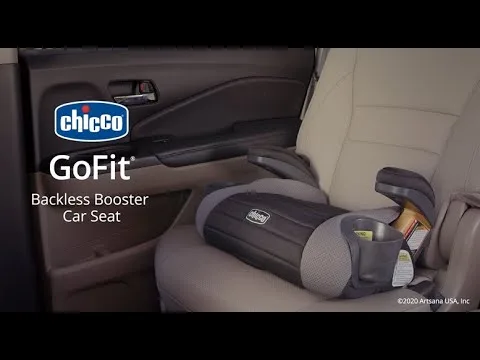
Yes. High-back boosters expire just like other car seats, typically after six years. Backless boosters also have expiration dates, though some models last up to nine years.
The same plastic degradation and wear rules apply. Check the underside of the booster for the expiration sticker.
Does the LATCH system expire at the same time?
The LATCH connectors on the seat expire with the seat itself. Wait, that’s not quite right. The LATCH system in your car, the metal anchors built into the vehicle, doesn’t expire.
But the car seat’s LATCH connectors are part of the seat and must be retired with it. If you’re using a new seat in an older car, the vehicle anchors themselves are still fine.
What if the label is missing or faded?
Contact the manufacturer directly. You’ll need the model number and serial number, usually printed on a separate sticker near the date. Their customer service team can look up the date of manufacture from the serial number.
If you can’t find the serial either, the seat should not be used. You can’t verify its age or history, so replace it.
Can a car seat expire before the printed date?
Yes, under certain conditions. If a seat has been in a moderate or severe crash, it must be replaced regardless of the date. Seats stored in extreme heat, like an attic or a car trunk in Arizona, can degrade faster than expected.
Manufacturers print the expiration date assuming normal use and storage conditions.
Do European or international seats have different rules?
Yes. Seats sold in Europe under the i-Size regulation (ECE R129) don’t have a standardized expiration. Each manufacturer sets its own lifespan, and some brands don’t print a date at all.
If you’re using an international seat in the U.S., it may not meet FMVSS 213 standards anyway. Stick with U.S. certified seats.
What about state laws and car seat expiration?
No state law specifically addresses car seat expiration dates. But state laws require children to ride in car seats that meet federal safety standards. An expired seat doesn’t meet those standards because its structural integrity is no longer guaranteed.
In practical terms, using an expired seat could also affect liability if you’re in a crash.
What to Do Right Now: A Quick Checklist
The first step is locating the expiration date on every seat you own. Flip the seat over and look for the sticker or molded stamp. Check the underside, back, and edges.
Pull back fabric and padding if needed. Write the date on a piece of tape and attach it to the seat base.
Next, check each seat’s recall status on the NHTSA website. Enter the model number and date of manufacture to see if there are any outstanding recalls. Register your new seats with the manufacturer so you get recall alerts automatically.
Replace any seat that’s past its expiration date or has been in a moderate crash. If you’re buying a replacement, consider a model with a longer lifespan like an all-in-one seat that can grow with your child. If you’re buying used, verify the seat’s history with the original owner before you commit.
Finally, if you have any doubt about a seat’s safety, consult a certified Child Passenger Safety Technician. They can inspect the seat, verify the expiration date, and confirm proper installation. Many communities offer free inspections at local fire departments or children’s hospitals.
When in doubt, throw it out. That’s the simplest rule to follow.