When to Switch Your Toddler to Forward-Facing Car Seat?
You love seeing your toddler’s face in the rearview mirror. But you also wonder when can toddlers face forward in a car seat. It’s one of the most common questions parents ask, and the answer has changed a lot in the past decade.
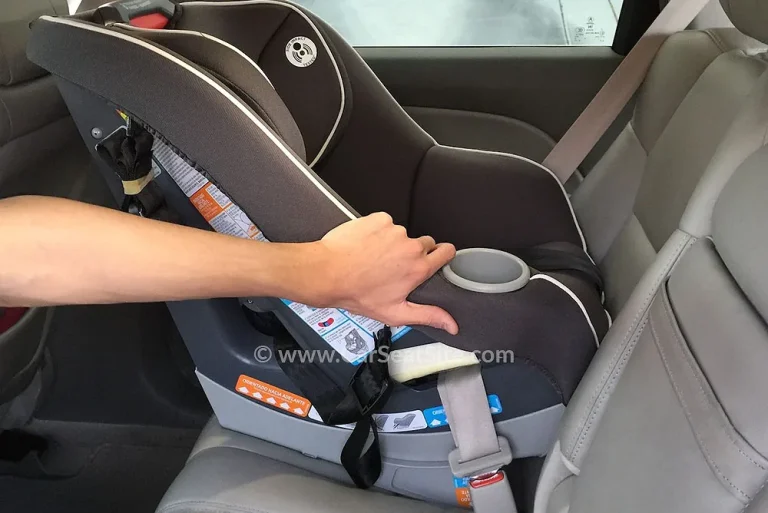
The American Academy of Pediatrics (AAP) currently recommends keeping children rear-facing until at least age 2, or until they exceed the height or weight limit of their seat. Many convertible seats now allow rear-facing up to 40 or even 50 pounds. That means most toddlers should stay rear-facing well past their second birthday.
Let’s walk through the decision so you can make the safest choice for your child.
Why This Decision Matters More Than You Think
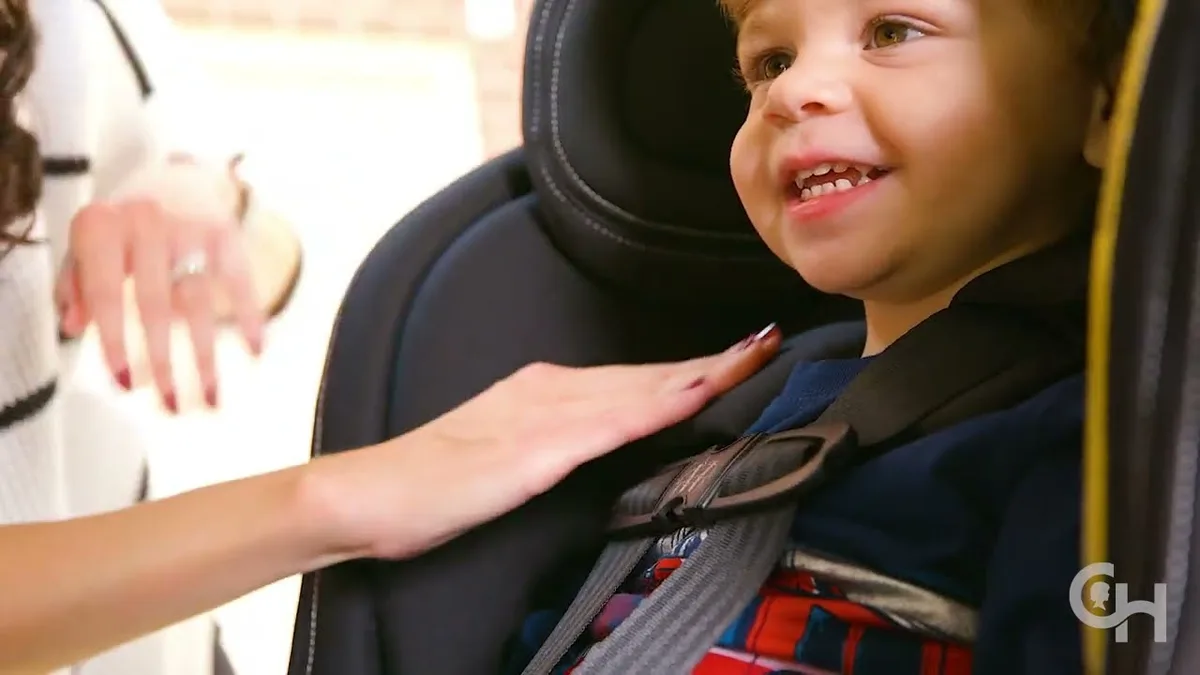
This isn’t just a matter of comfort or convenience. The way your child rides in the car directly affects their safety in a crash. Research from the National Highway Traffic Safety Administration (NHTSA) shows that children under 2 are five times safer riding rear-facing than forward-facing.
That’s a huge difference.
The reason is simple biology. A toddler’s spine is still developing. The vertebrae are connected by cartilage, not solid bone.
In a forward-facing crash, the harness holds the child’s torso back, but the head and neck snap forward. That force can stretch the spinal cord beyond its limit. Rear-facing prevents this by cradling the entire body, including the head and neck, against the seat shell.
Every year, children are injured in crashes that could have been less severe if they were still rear-facing. The AAP, NHTSA, and every major car seat manufacturer agree: longer is better. As of 2026, the safest practice is to keep your child rear-facing until they max out their seat’s limits, not just until they hit a birthday.
Quick Answer
When can toddlers face forward in a car seat? Wait until at least age 2. But age is only a minimum. The real rule is to keep them rear-facing until they reach the highest weight or height allowed by their car seat.
Many convertible seats allow rear-facing up to 40 or 50 pounds. Most toddlers will reach that limit between ages 3 and 4. Check your seat’s manual for exact numbers.
Do not turn them based on age alone.
Rear-Facing Limits: What Your Car Seat Manual Actually Says
Every convertible car seat has two sets of limits: one for rear-facing and one for forward-facing. You need to know both. The rear-facing limits are printed on a sticker on the side of the seat and listed in the manual.
Look for two numbers: a maximum weight and a maximum height.
For most convertible seats on the market today, the rear-facing weight limit is between 35 and 50 pounds. The height limit is usually when the child’s head is within one inch of the top of the seat shell. Once either limit is reached, it’s time to turn the seat forward-facing.
But here’s the catch: many parents ignore the height limit. They focus on weight and forget that a tall toddler can outgrow the seat before hitting the weight limit. If your child’s head is at the top of the seat, they are no longer protected in a rear-facing crash.
The force of impact would push the head past the seat shell, exposing the neck to injury.
Check your seat’s limits every month. Write them down. Tape them to the side of the seat if you need to.
It’s that important.
The Two Rules You Must Follow (Both, Not Just One)
There are two rules for turning your toddler forward-facing, and you must follow both. Not one. Not “close enough.” Both.
| Rule | What It Means | Why It Matters |
|---|---|---|
| Minimum age | At least 2 years old | Younger children have weaker neck and spine structures |
| Seat limits | Child must exceed the rear-facing weight OR height limit of the seat | If the child still fits rear-facing, they are safer rear-facing |
The age rule is the absolute minimum. It’s not a target. If your child is 2 years old but still weighs 28 pounds and their seat allows rear-facing up to 40 pounds, they should stay rear-facing.
The seat limits are the real deciding factor.
Many parents ask, “What if my child is tall but still under the weight limit?” The answer is clear: turn them forward-facing only if they’ve outgrown the height limit. If their head is still below the top of the seat shell, they can stay rear-facing regardless of leg length. We’ll talk about the leg concern in a later section.
The safest approach is to use the rear-facing limit as your primary guide. The age requirement is a floor, not a ceiling. Pushing past the minimum age is where the real safety benefit comes from.
The Biggest Risk: Why Turning Too Early Is Dangerous
Turning a toddler forward-facing before they’re ready puts them at risk for a serious injury called internal decapitation. It sounds extreme because it is. In a forward-facing crash, the child’s body is held by the harness, but the head continues forward.
The force can pull the spinal cord apart from the brain stem.
This injury is rare, but it’s devastating. And it’s almost entirely preventable by keeping children rear-facing longer.
The risk is highest in children under 2 because their spine is still largely cartilage. The bones haven’t fully ossified yet. The ligaments that hold the vertebrae together are loose and stretchy.
In a crash, those ligaments can stretch too far, allowing the spinal cord to tear. Rear-facing prevents this by distributing crash forces across the entire back of the seat.
Even after age 2, the spine continues to develop. That’s why the AAP recommends staying rear-facing as long as possible, not just until the second birthday. The longer you wait, the more mature the spine becomes, and the safer the child is in a forward-facing position.
If you’re unsure about the risks, consider this: in Sweden, children ride rear-facing until age 4 or even 5. Their crash statistics show significantly fewer serious injuries to young children. We’re not saying you have to wait that long, but it does show that longer rear-facing is a proven safety strategy.
State Laws vs. Best Practice: What You’re Required to Do vs. What’s Safest
This is where things get confusing. State laws set the absolute minimum for forward-facing. Best practice sets the actual safety standard.
They are not the same thing.
Every state has its own car seat laws. Most require children to remain rear-facing until at least age 1 or 2 and at least 20 pounds. Some states only require rear-facing until 1 year and 20 pounds, which is dangerously outdated.
The specific law depends on where you live.
Here’s the problem: state laws are the floor, not the ceiling. They represent the bare minimum legislators could agree on, not what’s safest. Following the law keeps you legal.
Following best practice keeps your child safer.
| Factor | State Law (varies) | Best Practice (AAP/NHTSA) |
|---|---|---|
| Minimum age | 1 to 2 years | At least 2 years, longer preferred |
| Minimum weight | 20 to 30 pounds | Follow seat limits (often 40-50 lbs) |
| Primary factor | Age and weight | Seat’s rear-facing limits |
| Goal | Legal compliance | Maximum crash protection |
You can check your state’s specific requirements through your state government’s DOT website. But regardless of what the law says in your area, the AAP and NHTSA guidelines are clear: keep your child rear-facing until they exceed their seat’s limits.
If you’re thinking, “But the law says 1 year and 20 pounds is fine,” remember that laws take years to update. The science has moved faster than legislation. You are not breaking the law by keeping your child rear-facing longer.
In fact, you’re exceeding the minimum requirement.
Step-by-Step: How to Check If Your Toddler Is Ready to Face Forward
Before you turn that seat around, go through this checklist. Every item must be checked, not just one or two.
Step 1: Check the rear-facing weight limit on your seat.
Look at the sticker on the side of the car seat. Find the number listed for rear-facing maximum weight. Common limits are 35, 40, or 50 pounds.
If your child is below that number, they are not ready to turn.
Step 2: Check the rear-facing height limit.
Measure your child’s height. Then check the seat’s height limit. The most common rule is that the child’s head must be at least one inch below the top of the seat shell.
If the top of their head is even with or above the shell, they have outgrown the seat in rear-facing mode.
Step 3: Confirm your child is at least 2 years old.
This is the minimum. If your child is younger, they stay rear-facing, period. No exceptions.
Step 4: Check the forward-facing minimum requirements.
Your seat will also list a minimum weight and height for forward-facing use. Usually this is around 22 pounds and 29 inches. Your child must meet both minimums before you can safely turn them.
Step 5: Verify the harness slot position.
When you switch to forward-facing, the harness straps must be at or above your child’s shoulders. In rear-facing, the straps are at or below the shoulders. This changes because the crash dynamics are different.
We’ll cover this in detail in a later section.
Step 6: Do a dry run installation.
Before you commit to forward-facing, install the seat in the forward-facing position. Attach the top tether. Check that the seat is tight and doesn’t move more than one inch at the belt path.
If everything passes, your child is ready.
If any step fails, your child is not ready. Keep them rear-facing and recheck in a month.
Common Mistakes Parents Make When Switching to Forward-Facing
Even careful parents make mistakes. Here are the most common ones we see in our research and what to do instead.
Turning too early based on age alone.
The biggest mistake is turning at 2 years old just because the child turned 2. Age is the minimum, not the target. If your child still fits rear-facing, leave them rear-facing.
Many 3-year-olds and even some 4-year-olds still fit rear-facing in newer seats.
Ignoring the top tether.
The top tether is required for all forward-facing installations. It reduces head movement in a crash by up to 50 percent. Many parents skip it because they don’t know about it or can’t find the anchor point.
We’ll cover this in more detail later.
Reclining the seat too much.
Forward-facing seats should be more upright than rear-facing seats. Too much recline reduces the harness’s effectiveness. Check your manual for the correct recline angle for forward-facing use.
Switching to a booster seat too early.
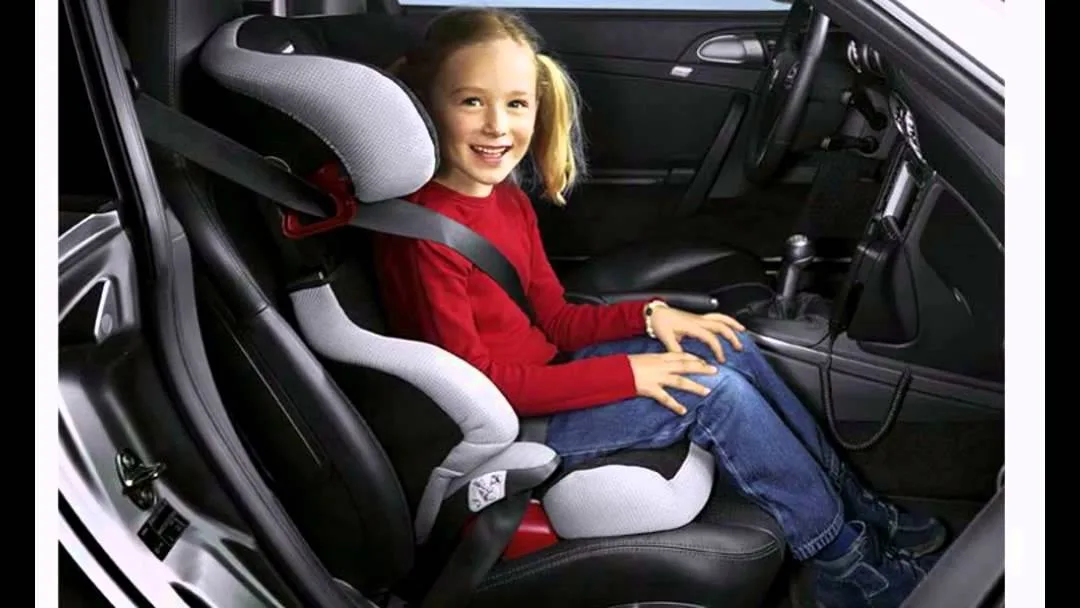
Some parents move from forward-facing with a harness to a booster seat too soon. Children should remain in a 5-point harness until they outgrow the forward-facing limits of their seat, which is often 65 pounds or more.
Not reading the manual.
Every seat is different. The manual contains specific instructions for your exact model. Don’t assume all seats install the same way.
Read it. Keep it in your glove box or take a photo of it.
What About Their Legs? The Cramped Space Concern (Answered)
This is the number one reason parents give for turning their child forward-facing early. “His legs are too long. They’re touching the back of the seat.
He looks uncomfortable.”
Here’s what you need to know: it’s not a safety concern. Children’s legs are flexible. They can bend, cross, or drape over the sides of the seat.
There is no evidence that legs touching the seat back causes injury in a crash.
In fact, studies show that children in rear-facing seats have lower rates of leg injury than children in forward-facing seats. The legs are contained within the seat shell and can move naturally during a crash. Forward-facing, the legs can flail forward and hit the front seat.
If your child complains about their legs, try these solutions:
- Let them sit cross-legged like a pretzel
- Let them put their feet on the sides of the seat
- Allow them to dangle their legs over the edge of the seat base
- Give them a small pillow or stuffed animal to rest their feet on
Children are remarkably adaptable. They will find a comfortable position. The discomfort is usually temporary.
They adjust within a few days.
The real question to ask yourself is this: is a little leg discomfort worth the risk of a spinal injury? For most parents, the answer is clear. Keep them rear-facing longer.
Harnessing Forward-Facing: Correct Strap Position and Tightness
When you switch to forward-facing, the harness rules change. The most important difference is the strap position.
In rear-facing mode, the harness straps should be at or below the child’s shoulders. This keeps the child cradled into the seat during a crash. In forward-facing mode, the straps must be at or above the child’s shoulders.
This prevents the child from sliding up and out of the harness during a crash.
Check your seat’s manual for the exact slot positions. Some seats have multiple slots, and only certain ones are approved for forward-facing use. Never use a slot position that the manual doesn’t authorize for forward-facing.
The chest clip should be at armpit level. Not at the belly. Not at the neck.
At armpit level. This keeps the harness straps correctly positioned over the collarbone and sternum, which are the strongest bones in the upper body.
The harness should be tight enough that you cannot pinch any webbing at the collarbone. This is called the pinch test. If you can pinch a fold of strap between your thumb and finger, it’s too loose.
Tighten it until the strap is smooth and flat against the child’s body.
Check the harness tightness every time you buckle your child in. Winter coats, bulky jackets, and thick sweaters can create slack in the harness. Always remove bulky outerwear before buckling.
You can buckle the child in and then put a blanket or coat over the harness for warmth.
The crotch buckle should be snug against the child’s body. If it rides up toward the belly, the strap may be too long or the child may be too small for the seat in forward-facing mode. Check the manual for the correct crotch strap position.
The Top Tether: Why It’s Non-Negotiable for Forward-Facing
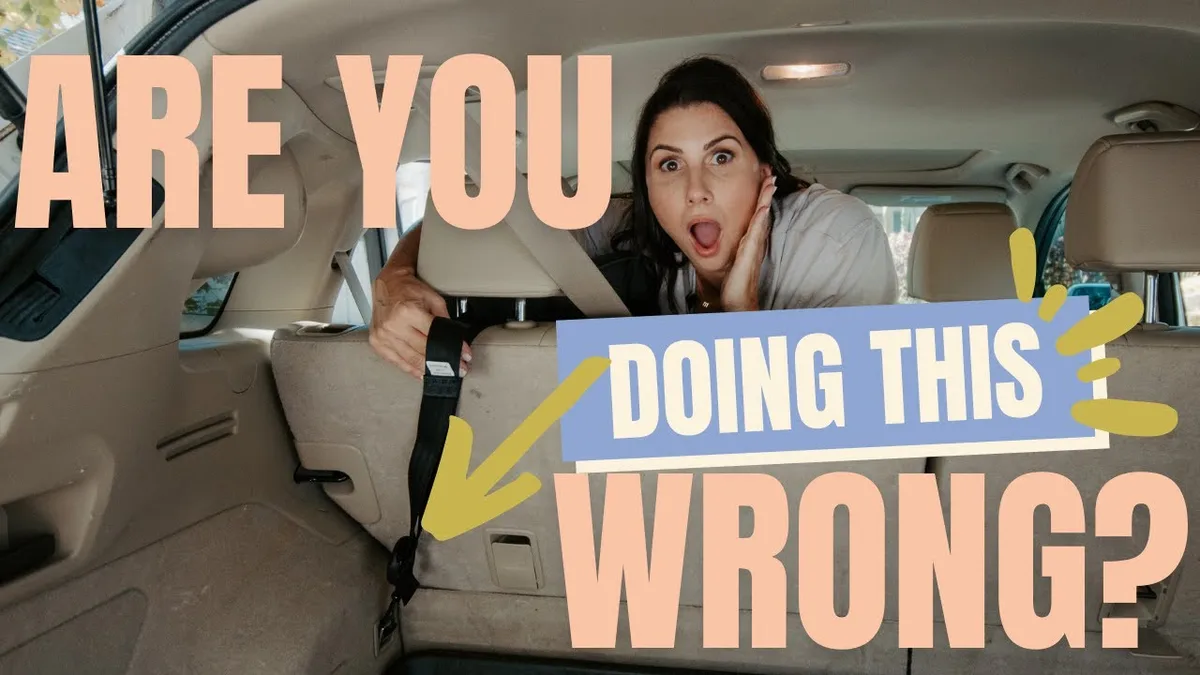
The top tether is a strap that hooks from the top of the car seat to an anchor point in your vehicle. It reduces forward head movement in a crash by up to 50 percent. Without it, your child’s head can snap forward dangerously.
Every forward-facing car seat sold in the US includes a top tether. Every vehicle made after 2002 has tether anchor points. They are usually located on the rear shelf, the back of the seat, or the ceiling.
Check your vehicle owner’s manual for exact locations.
Never skip the top tether. It is not optional. NHTSA requires it for all forward-facing installations.
If you can’t find the anchor point, consult your vehicle manual. If your vehicle has no anchor points, the seat cannot be safely installed forward-facing in that position.
When to Keep Rear-Facing Even After the Minimum
You’ve hit the minimum age of 2. Your child is still within the rear-facing limits. Keep them rear-facing.
The longer you wait, the safer they are.
The sweet spot for most children is between ages 3 and 4. Many convertible seats allow rear-facing up to 40 or 50 pounds. A 3-year-old at the 50th percentile weighs about 30 pounds.
That leaves plenty of room to grow.
If your child is tall, they may max out the height limit before the weight limit. That’s the signal to turn. But if they still have room above their head, leave them rear-facing.
The spine continues to develop well into the preschool years.
What If Your Toddler Hates Rear-Facing? Practical Tips
Some children fuss about rear-facing. They can’t see you. They’re bored.
They complain about their legs. This is normal, and it usually passes within a week.
Try these strategies. Install a mirror so they can see you. Give them a special car toy they only get in the car.
Play audiobooks or kid-friendly podcasts. Keep a snack cup within reach. Talk to them at stoplights.
If they’re crying, pull over safely and calm them down. Do not turn them forward-facing because of a tantrum. The safety benefit is worth the temporary discomfort.
Most parents report that within a few days, the fussing stops and the child adjusts.
Real Scenarios: How Different Families Decided and Why
Consider a family with a 2-year-old weighing 28 pounds. Their seat allows rear-facing up to 40 pounds. They keep the child rear-facing.
At 3.5 years old, the child reaches 40 pounds. They turn forward-facing. That’s the ideal approach.
Another family has a 2-year-old who is 38 inches tall. The seat’s height limit is 40 inches. They have a few months before the child outgrows it.
They keep rear-facing until the head reaches the top of the shell. They turn at 2.5 years old.
A third family has a 2-year-old at 22 pounds. The seat allows rear-facing up to 35 pounds. They have a long way to go.
They keep rear-facing until age 4, when the child finally reaches 35 pounds. The child is safer for those extra two years.
The pattern is clear. Wait until the seat limits say stop, not until the birthday says go.
Frequently Asked Questions
Can I turn my child forward-facing at 1 year old?
Not if you follow best practice. The AAP recommends at least 2 years. At 1 year old, the spine is still largely cartilage.
The risk of spinal injury in a forward-facing crash is significantly higher.
What if my child’s legs touch the back of the front seat?
That’s fine. Children’s legs are flexible. They can bend, cross, or dangle.
There is no evidence that leg contact causes injury in a rear-facing crash. The legs are safer rear-facing than forward-facing.
How do I know if my child has outgrown the rear-facing height limit?
The rule is one inch of space above the top of the child’s head. If the head is at or above the top of the seat shell, the child has outgrown the seat in rear-facing mode. Measure from the top of the head, not the hair.
Can I install a forward-facing car seat in the front seat?
No. Children under 13 should ride in the back seat. The front seat airbag can cause serious injury or death to a child in a crash.
The back seat is the safest position for all children.
What if my car doesn’t have top tether anchors?
If your vehicle was made before 2002, it may not have tether anchors. You can have them installed by a dealer or certified mechanic. Without a top tether, the seat cannot be safely installed forward-facing.
Check with your vehicle manufacturer for retrofit options.
When should I switch from forward-facing to a booster seat?
Keep your child in a 5-point harness until they exceed the weight or height limit of the forward-facing seat. That’s typically 65 to 90 pounds. Most children are at least 5 to 7 years old before they outgrow a forward-facing harness.
The booster seat is the next step, not the first step.
Final Verdict: The One Rule to Follow Every Time
Here’s the single rule that covers everything. Keep your child rear-facing until they exceed the weight or height limit of their car seat. Not until their birthday.
Not until they complain. Not until the law says it’s okay. Until the seat says no more.
Check your seat’s limits today. Write them down. Recheck them every month.
When your child reaches either limit, switch to forward-facing. Until then, rear-facing is the safest position.
The research is clear. The manufacturers agree. The safest choice is also the simplest one.
Wait for the seat to tell you it’s time, not your calendar. Your child’s spine will thank you.