How to How to Get Blood Stains Out of Car Seats
Blood on the car seat is one of those small disasters that feels huge in the moment. If you're checking how to get blood stains out of car seats, you probably already know that feeling. Maybe it's a kid's nosebleed, a dog's cut paw, or a minor mishap with a pocketknife.
The good news is that it's very doable, as long as you act before the stain sets.
Blood is a protein stain, and protein reacts to heat by bonding tightly to fabric fibers. That's why every reliable method starts with cold water, not hot. As of 2026, the standard household approach still comes down to cold water, a mild enzymatic or soap-based cleaner, and patient blotting.
Before you grab anything from under the sink, though, you need to know your seat material and how old the stain is, because cloth and leather demand completely different treatment.
The Problem: Blood on Your Seat and the Panic That Follows
Let's be honest: nobody plans for blood on upholstery. The stain looks aggressive, especially on light cloth, and the first instinct is to grab whatever spray is in the trunk and scrub hard. That instinct is exactly what turns an easy cleanup into a permanent reminder.
Scrubbing forces blood deeper into the weave. Many household sprays also contain ingredients that generate heat as you work them in, which makes the stain worse. Blood proteins start to denature, meaning they cook and harden, at temperatures just above 104°F (40°C).
Even hot tap water can nudge the protein into a bond that's tough to break.
That's why professional detailers and manufacturers follow the same starting rule: cold water, gentle pressure, and time. Blood can also carry pathogens, so the same first step applies here that the CDC guidance on cleaning blood recommends. Remove the visible material first, then clean the surface properly.
Here's what not to do in the first few minutes:
- Don't rub or scrub.
- Don't use warm or hot water.
- Don't reach for bleach or ammonia.
- Don't turn on the seat heater.
- Don't let the stain dry before you treat it.
Quick Answer: What Actually Works (and What Won't)
Here's the short version. For fresh blood on cloth, blot up the excess, then press a cold-water-soaked microfiber cloth into the stain. Add a tiny amount of dish soap or an enzymatic cleaner, work it in gently, and keep blotting until the spot lifts.
For dried blood, let the cleaner sit for 10 to 15 minutes so the enzymes can break down the protein. On leather or vinyl, use a mild soap solution and avoid soaking the surface.
| Seat Material | Best Approach | What to Avoid |
|---|---|---|
| Cloth | Cold water blot, enzyme cleaner, gentle agitation | Hot water, rubbing, bleach |
| Leather | Mild soap and water, blot, then condition | Soaking, scrub brushes, peroxide |
| Vinyl | Soap and water, gentle wipe, dry | Abrasives, harsh degreasers |
What won't work? Heat, aggressive scrubbing, and letting the stain sit for days. Blood is organic material, so the faster you treat it, the better the outcome.
If you catch it fresh, you'll likely lift 90% or more of the stain in a single session. If it's dried or set in, expect to repeat the process a few times.
First, Know Your Seat: Material and Stain Age Decide Everything
Your seat material is the single biggest variable in this process. Cloth is absorbent and forgiving, but it lets blood sink deep into the fibers. Leather and vinyl are non-porous, so most of the blood stays on the surface, yet they're easily damaged by harsh cleaners or too much moisture.
The same stain can take two completely different paths depending on what you're working with.
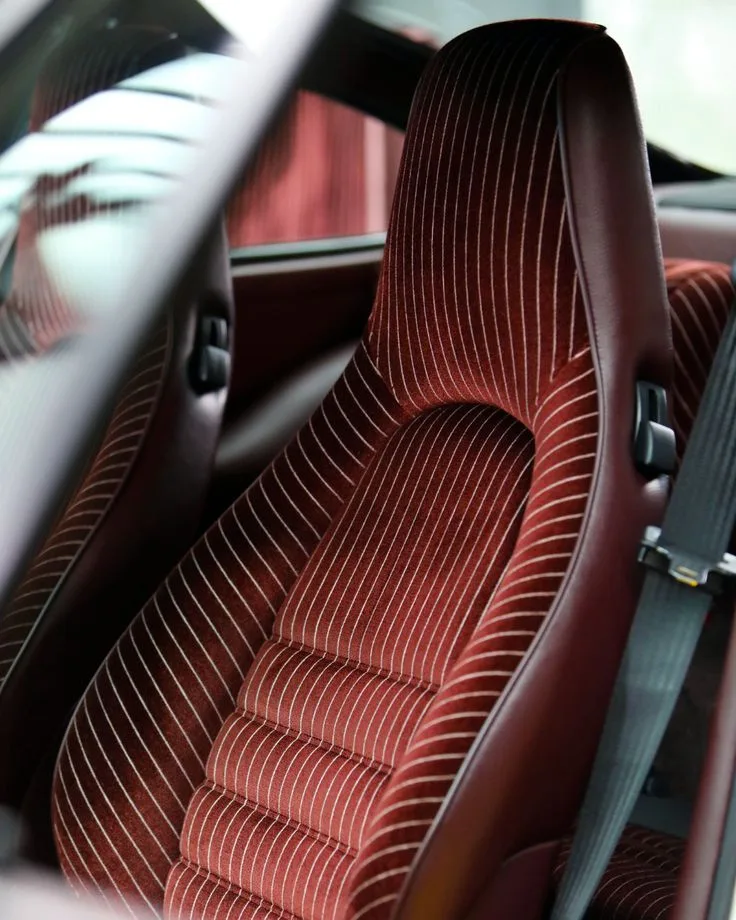
Cloth vs. Leather vs. Vinyl: Why It Matters
Cloth seats are the most common in everyday cars. The woven fabric soaks up liquid quickly, which means fresh blood can penetrate deep before you even notice it. The upside is that cloth is very forgiving with water-based cleaners, and enzymes work well on it.
The downside is that overwetting can leave a watermark or cause the foam padding underneath to stay damp for days.
Leather seats look sleek, but they come with their own care rules. Blood sits mostly on the surface, but it can seep into the stitching and the edges of the seat panels. You never want to soak leather, because too much moisture can damage the finish and lead to cracking.
After cleaning, you'll want to follow up with the right conditioning product to keep the material from drying out.
Vinyl seats are the easiest of the three. They're non-porous, so most stains stay on top and wipe away with a mild cleaner. Just avoid abrasive pads and solvent-heavy products, which can dull the surface.
If you're weighing seat materials for comfort and everyday use, comfort and material preferences matter just as much as cleanup ease.
Fresh vs. Dried vs. Set-In: How to Tell the Difference
Fresh blood is still wet or slightly tacky. It's red, hasn't soaked in completely, and responds quickly to cold water and light blotting.
Dried blood is darker, crusty, and sometimes cracked. It has already bonded partially to the fibers, so it takes longer to dissolve. Enzyme cleaners are your best friend here because they actually break down the protein structure instead of just loosening the surface.
Set-in blood is the nightmare category. This happens when the stain has been heated, dried, or left for weeks. The protein has essentially fused with the fabric, and you may need multiple treatments, plus a fair amount of patience.
No matter which stage you're dealing with, always test your cleaner on a hidden section of the seat first. Tuck a cloth under the seat or behind the trim, apply the product, and make sure there's no color transfer before you treat the visible spot.
Step-by-Step: Removing Fresh Blood from Cloth Seats
Fresh blood is the easiest stain to remove, so don't overcomplicate it. The whole process takes 10 minutes or less if you stay calm and follow the steps in order.
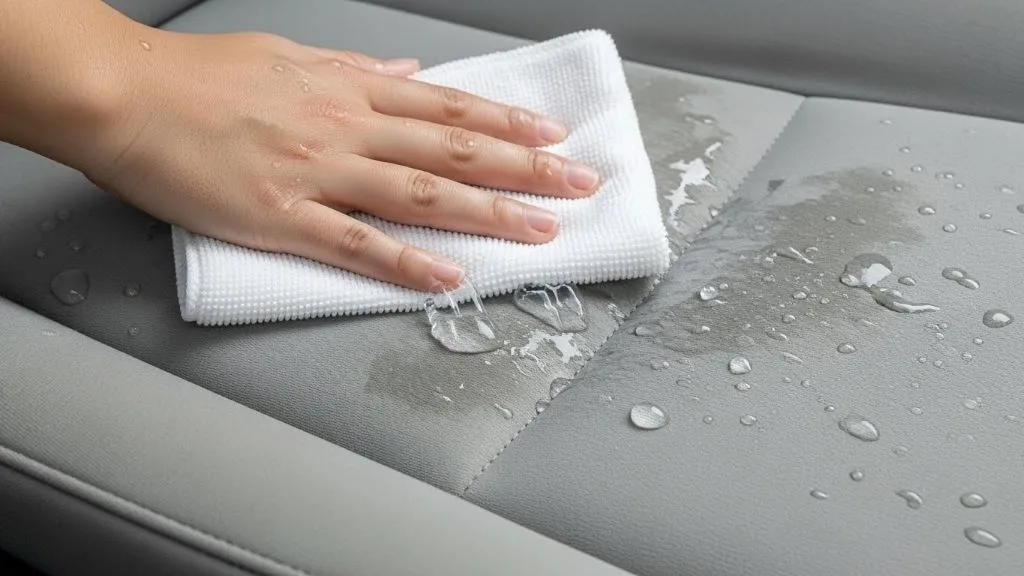
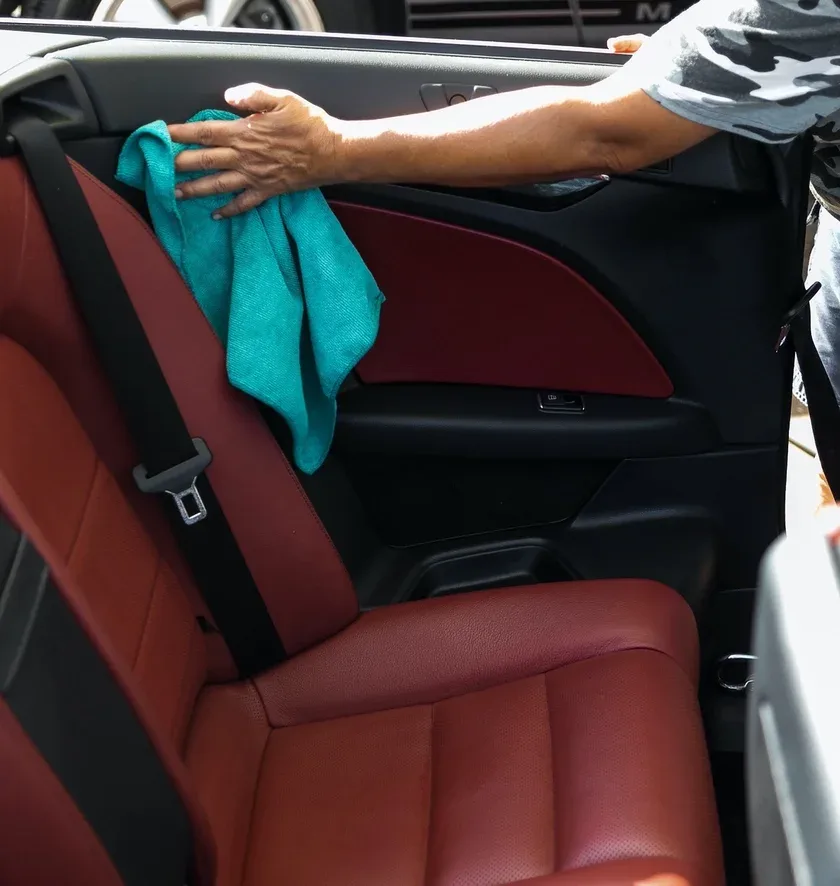
- Blot, don't rub. Use a dry microfiber cloth to soak up as much excess blood as possible. Press down firmly, then lift straight up.
- Wet a clean cloth with cold water. Blot the stain from the outside edge toward the center. This keeps the blood from spreading into clean fabric.
- Add a drop of dish soap or an enzymatic cleaner. Apply it directly to the stain and work it in gently with your fingertips or a soft-bristled brush.
- Let it sit for 5 minutes. Give the cleaner time to lift the protein from the fibers.
- Rinse with a fresh cold-water cloth. Blot the area to remove the soap and the lifted stain.
- Press with a dry cloth to pull out as much moisture as possible.
- Let the seat air dry completely. Then vacuum the area to restore the fabric's natural texture.
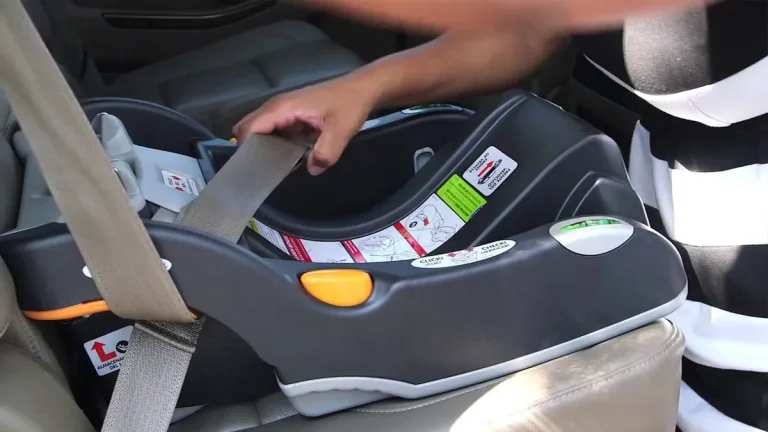
If the stain is on a child's car seat rather than a regular seat, don't soak the harness straps or the plastic shell. Excess moisture can weaken the webbing, and harsh chemicals can degrade the plastic. While you're at it, it's worth confirming you're using the safest location for a child restraint in your vehicle.
Step-by-Step: Removing Dried Blood from Cloth Seats
Dried blood is tougher, but it's not hopeless. The protein is still the same, it's just more firmly attached. Your best bet is an enzymatic cleaner, because those enzymes actively break down protein instead of just trying to wash it away.
- Remove any crusty bits. Use a dry cloth or soft brush to gently lift flaking pieces. Don't rub, or you'll grind them into the fabric.
- Saturate the stain with cold water. Let it sit for 5 minutes to start dissolving the blood.
- Apply an enzymatic cleaner. If you don't have one, make a thick paste of baking soda and cold water and spread it over the stain.
- Let it dwell for 10 to 15 minutes. Don't let the area dry out. If it starts to dry, re-wet it with cold water from your spray bottle.
- Agitate gently. Use a soft brush or your fingers to work the cleaner into the fibers.
- Blot, rinse, and repeat. You'll likely see the stain lighten with each round. Keep going until the water you're blotting with comes away clean.
- Rinse with cold water and press dry. Then let the seat air dry completely before you sit on it or reinstall any seat covers.
For stubborn stains on light-colored or white fabric, 3% hydrogen peroxide can help. Apply a small amount, let it bubble, then blot. Just be careful: peroxide can bleach dark upholstery, so always test it on a hidden spot first.
Once the seat is clean and dry, take a moment to double-check that everything is back in order. If this happens inside a child's car seat, make sure the harness and buckles are dry and that the seat hasn't passed its expiration date before your next road trip.