
When Do Babies Switch to Front Facing Car Seats?
If you’re wondering when do babies switch to front facing car seat, you’re not alone. It’s one of the most common questions new parents ask, and the answer has changed a lot in recent years. The short answer is: much later than you probably think.
The American Academy of Pediatrics now recommends keeping children rear-facing until they reach the maximum height or weight limit of their car seat. That’s often well past their second birthday. In fact, many convertible seats allow rear-facing up to 40 or 50 pounds.
Let’s break down exactly what that means for your child.
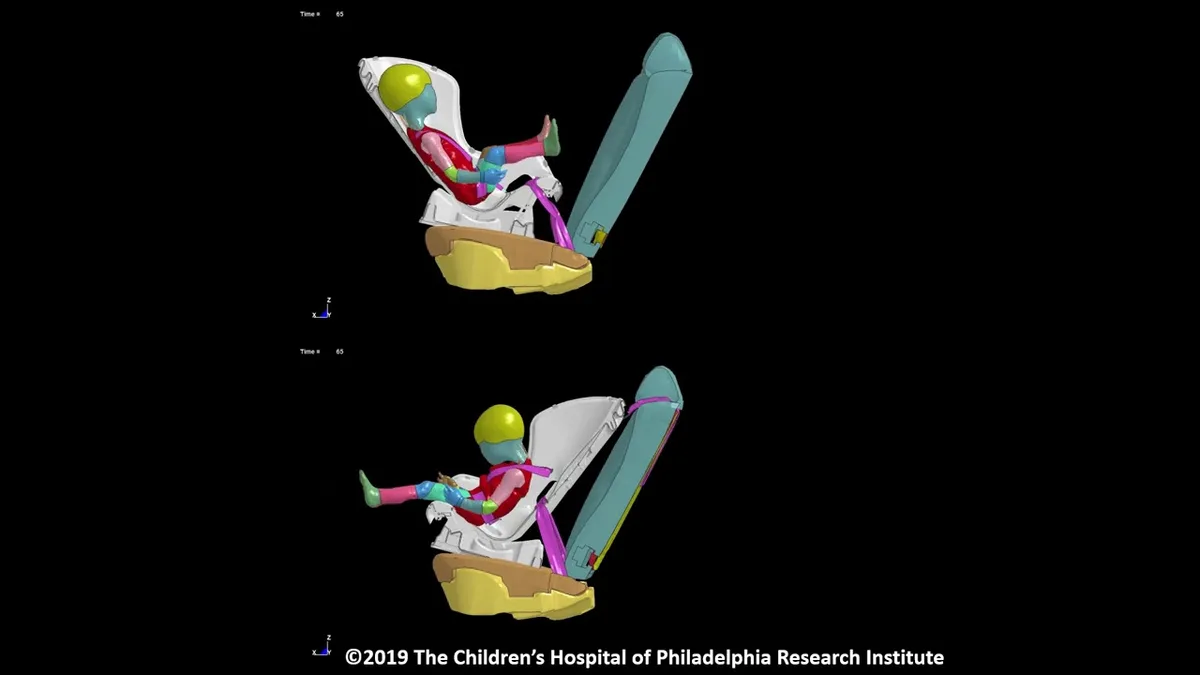
Image source: YouTube / GOHSGEORGIA (YouTube thumbnail (fair-use with source credit))
Why This Decision Matters More Than You Think
This isn’t just about following a rule. It’s about protecting your child’s spine and neck in a crash. A forward-facing child’s body is restrained by the harness, but their head, which is disproportionately large and heavy for a toddler, keeps moving forward.
That puts tremendous force on the neck vertebrae.
In a rear-facing seat, the child’s head, neck, and spine are cradled against the shell of the seat. The crash forces are spread across the entire back. The difference is dramatic.
Research from the National Highway Traffic Safety Administration confirms that children under two are five times safer in a rear-facing seat than a forward-facing one. That’s not a small margin. That’s a life-altering difference.
Making the switch too early is one of the most common mistakes we see. And it’s understandable. Parents want to see their child’s face.
Kids get fussy. But the safety data is clear: patience here pays off.
The Quick Answer: When to Switch (and What the Experts Say)
Keep your child rear-facing until they reach the highest weight or height allowed by their car seat. That’s it. That’s the rule.
For most convertible seats, the rear-facing weight limit is between 35 and 50 pounds. The height limit is typically when the top of the child’s head is less than one inch from the top of the seat shell. Check your specific seat’s manual, those numbers vary by brand and model.
The American Academy of Pediatrics and the NHTSA both agree: rear-facing as long as the seat allows. For most kids, that means age 2 to 4, sometimes longer.
Here’s a quick reference based on typical seat limits:
| Child’s Weight | Rear-Facing Still Safe? | Forward-Facing Possible? |
|---|---|---|
| Under 20 lbs | Yes, always | No |
| 20–30 lbs | Yes, check seat limits | No, unless seat allows (rare) |
| 30–40 lbs | Yes, most seats allow this | Only if seat allows (check manual) |
| 40–50 lbs | Yes, if seat limit is 40+ lbs | Yes, if seat allows forward-facing at this weight |
| Over 50 lbs | No, must switch | Yes, if seat allows |
The key takeaway: don’t rush. The longer you keep them rear-facing, the safer they are.
What “Outgrowing” the Rear-Facing Seat Actually Means
“Outgrowing” doesn’t mean they’re too big or uncomfortable. It means they’ve hit a hard limit set by the manufacturer. Those limits are tested and certified.
Exceeding them voids the seat’s safety guarantee.
There are three ways a child can outgrow a rear-facing seat. You need to watch all three.
Weight Limits
Every seat has a printed weight limit for rear-facing. It’s usually on a sticker on the side. If your child reaches that number, it’s time to turn the seat forward-facing.
No exceptions.
Height Limits
The height limit is trickier. The rule is: the top of the child’s head must be at least one inch below the top of the seat shell. If their head is level with or above the shell, they’ve outgrown it rear-facing, even if they’re under the weight limit.
The “Headroom” Rule
This is the one most parents miss. A child’s head can be at the top of the shell even if they’re not particularly tall. It depends on the seat’s design and the child’s torso length.
Always check the head position, not just the overall height.
Image source: YouTube / Raising A Toddler (YouTube thumbnail (fair-use with source credit))
If you’re unsure, take a photo of your child in the seat from the side. Compare the top of their head to the top of the shell. If it’s close, look for a new seat with a higher rear-facing limit before you turn them forward.
Why the Old “1 Year and 20 Pounds” Rule Is Dangerous
You’ve probably heard the old rule: turn the seat when your child is one year old and weighs 20 pounds. That advice is outdated and dangerous.
The old rule came from a time when car seats were less advanced. The minimum age and weight were set as a bare minimum, not a recommendation. But many parents interpreted it as a target.
The problem is that a one-year-old’s neck and spine are still developing. The bones are soft. The ligaments are stretchy.
In a forward-facing crash, the head whips forward, and the neck can stretch or even break. This is called “internal decapitation,” and it’s exactly as horrifying as it sounds.
The AAP updated its guidance in 2018 to make it crystal clear: rear-facing until the child maxes out the seat. The old “1 and 20” rule is no longer considered safe. Some states have even updated their laws to reflect this, but many haven’t.
As of 2026, the safest practice is to ignore the old rule entirely. If anyone, a well-meaning grandparent, a daycare provider, even your pediatrician, tells you to turn the seat at one year, politely explain that the guidelines have changed. Show them the NHTSA website if you need backup.
The Real Risk: Why Rear-Facing Is Safer for Toddlers
Let’s talk about the physics. A crash at 30 mph is like dropping a child from a three-story building. The forces involved are extreme.
In a forward-facing seat, the harness stops the child’s body. But their head, which is about 25% of their body weight at age two, keeps moving forward. That puts immense strain on the neck.
The spinal cord can stretch, tear, or even snap.
In a rear-facing seat, the child’s entire back and head are supported by the seat shell. The crash forces are absorbed by the seat, not the child’s neck. The head moves into the seat, not away from it.
This isn’t theoretical. Multiple studies, including a landmark 2007 study in the journal Injury Prevention, found that children under two are 75% less likely to be seriously injured or killed in a crash when rear-facing. More recent data from the NHTSA puts the number at five times safer.
The only downside is convenience. Rear-facing seats are harder to see. Kids sometimes complain about their legs being bent.
But those are minor inconveniences compared to a spinal injury.
If you’re worried about your child’s legs, don’t be. Kids are flexible. They can cross their legs, put them up on the seat back, or dangle them over the sides.
There’s no evidence that rear-facing causes leg injuries in a crash. In fact, forward-facing legs can flail and hit the front seat, causing more injuries.
The bottom line: rear-facing is safer for every child, for as long as the seat allows. Don’t let convenience or pressure from others make the decision for you.
Step-by-Step: How to Check If Your Child Has Outgrown the Rear-Facing Seat
Here’s how to tell if your child needs to switch. You’ll need the car seat manual and a measuring tape.
First, find the weight limit sticker on the side of the seat. If your child’s weight is at or above that number, they’ve outgrown it rear-facing. No exceptions.
Second, measure the height. The rule is simple: the top of your child’s head must be at least one inch below the top of the seat shell. If the head is level with the shell or above it, the seat is too small.
Third, check the harness slots. For rear-facing, the harness straps should be at or below your child’s shoulders. If the straps are coming from above their shoulders, the seat is outgrown in that position.
Here’s a quick checklist:
- Weigh your child. Compare to the seat’s rear-facing weight limit.
- Measure the distance from the top of the child’s head to the top of the seat shell.
- Check the harness slot position relative to the shoulders.
- Check the seat’s expiration date (expired seats are not safe).
If any of these checks fail, it’s time to move to forward-facing. If all pass, keep them rear-facing. It’s that straightforward.
How to Know When Your Child Is Ready for Forward-Facing
Your child is ready for forward-facing when they have outgrown the rear-facing limits of their seat. Not before.
That’s the only criterion. Age is not a factor. Weight is not a factor unless it matches the seat’s limit.
Height is not a factor unless it matches the seat’s limit.
There is no “ready” in the sense of being mature enough. A child who is uncomfortable or fussy is still safer rear-facing. The safety benefit is so large that it outweighs any inconvenience.
Some parents worry their child is “too big” for rear-facing. That’s almost never true. Convertible seats are designed to accommodate children up to 40 or 50 pounds rear-facing.
Many three-year-olds are still within that range.
If you’re unsure, look at the seat’s label. It will have two sets of numbers: one for rear-facing and one for forward-facing. The rear-facing limits are the ones to watch.
Here’s a quick comparison of when a child is ready vs. not ready:
| Condition | Ready for Forward-Facing? | Action |
|---|---|---|
| Child weighs 35 lbs, seat limit is 40 lbs | No | Keep rear-facing |
| Child weighs 40 lbs, seat limit is 40 lbs | Yes | Switch to forward-facing |
| Child’s head is 2 inches from top of shell | No | Keep rear-facing |
| Child’s head is at top of shell | Yes | Switch to forward-facing |
| Child is 2 years old, 25 lbs | No | Keep rear-facing |
The pattern is clear: let the seat’s limits be your guide. Not your child’s age. Not your eagerness to see them facing forward.
Step-by-Step: How to Install a Forward-Facing Car Seat Safely
Once you’ve confirmed your child has outgrown the rear-facing limits, it’s time to install the seat forward-facing. This is a different process than rear-facing installation. Don’t assume you can just flip it.
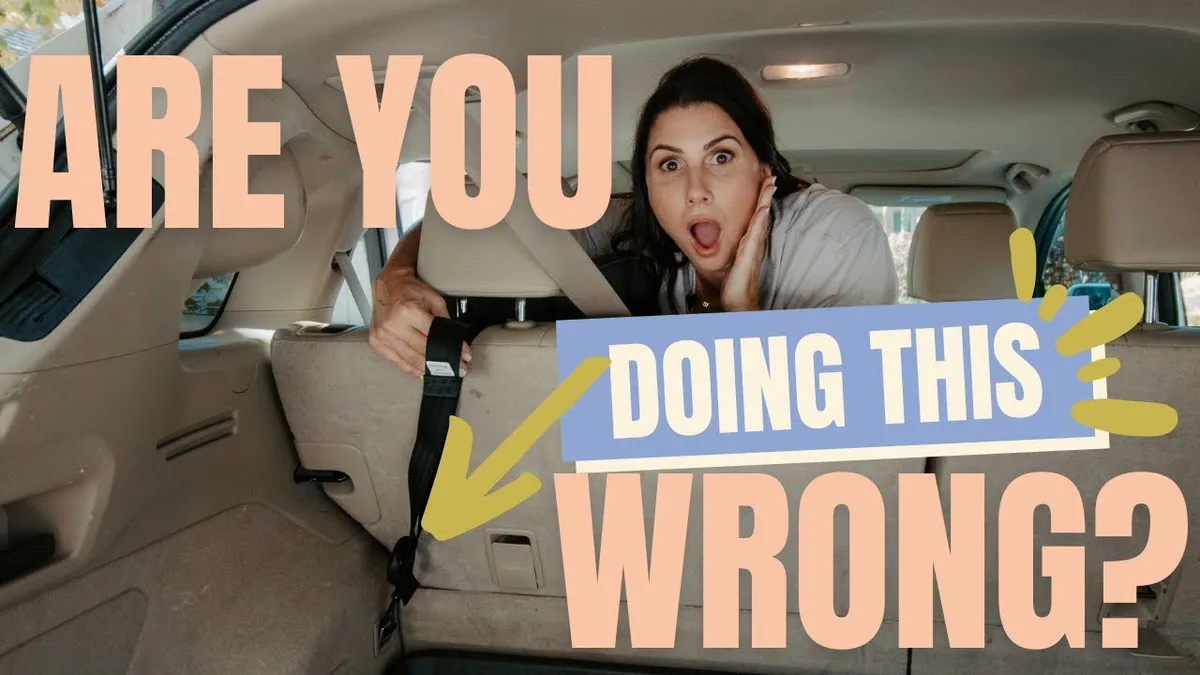
Image source: YouTube / USDOTNHTSA (YouTube thumbnail (fair-use with source credit))
Here are the steps:
Adjust the harness. For forward-facing, the harness straps should be at or above your child’s shoulders. If they’re below, the child can slide down in a crash.
Route the seat belt or LATCH through the forward-facing belt path. This is different from the rear-facing path. Check your seat’s manual to confirm which path to use.
Tighten the seat. Push down on the seat while pulling the belt tight. The seat should not move more than one inch side to side at the belt path.
Attach the top tether. This is a critical step. The top tether reduces head movement in a crash. Most vehicles have tether anchors built into the rear shelf, seat back, or floor. Connect the tether strap and tighten it.
Check the recline angle. Forward-facing seats are typically more upright. Some seats have a built-in level indicator. Adjust the recline as needed.
Do a final check. The seat should be tight. The harness should be snug. The chest clip should be at armpit level.
If you’re not confident in your installation, find a certified Child Passenger Safety Technician. Many fire stations and police stations offer free inspections. It’s worth the peace of mind.
Common Mistakes Parents Make When Switching
The most common mistake is switching too early. We’ve covered that. But there are others worth knowing.
Not using the top tether. This is a big one. Research shows that using the top tether reduces head injury risk by nearly 50 percent. Many parents don’t realize their vehicle has tether anchors.
Check your vehicle manual.
Putting the harness at the wrong height. For forward-facing, the straps must be at or above the shoulders. If they’re below, the child can submarine under the harness in a crash.
Leaving the seat too loose. A forward-facing seat should not move more than one inch at the belt path. If you can move it, it’s not tight enough.
Using aftermarket accessories. Seat covers, strap pads, and head supports that didn’t come with the seat can interfere with the harness. They’re not crash-tested with the seat. Skip them.
Not checking the seat’s expiration date. Car seats expire. The materials degrade over time. An expired seat is not safe to use.
Turning the seat before the child is ready. This is the most dangerous mistake. If you’re unsure, keep them rear-facing. It’s always safer.
If you’ve already made the switch and are worried, you can always go back. The seat is designed for both positions. Just reinstall it rear-facing and keep using it until your child outgrows it.
When to Keep Your Child Rear-Facing Even Longer
You might be surprised to learn that many children can stay rear-facing well past age two. Some seats allow rear-facing up to 50 pounds. That’s a four-year-old for many kids.
The recommendation from the AAP is simple: keep them rear-facing until they max out the seat. That means longer than the minimum. Much longer.
Here’s why extended rear-facing matters. The bones in a child’s neck don’t fully harden until around age three to four. The ligaments are stretchy.
The spinal cord is vulnerable. Every extra month rear-facing reduces the risk of injury.
Some parents worry about their child’s legs. They think the child is uncomfortable. Kids are incredibly flexible.
They can sit cross-legged, put their feet on the seat back, or dangle them over the sides. There’s no evidence that rear-facing causes leg injuries in a crash.
Other parents worry about motion sickness. It’s true that some children get car sick more easily when rear-facing. But the safety benefit outweighs the discomfort.
Try adjusting the seat’s recline angle or using a headrest that blocks the view of moving scenery.
If you’re considering a new seat to extend rear-facing, check the limits. Some seats have higher rear-facing weight limits than others. A seat with a 50-pound rear-facing limit will last longer than one with a 35-pound limit.
It’s worth investing in a seat that supports extended rear-facing.
The bottom line: if your child is happy and within the seat’s limits, keep them rear-facing. Don’t turn them just because they’ve reached a birthday. The extra months of protection are priceless.
What About the Child’s Legs Touching the Seat?
This is the number one concern parents raise. They see their child’s legs bent against the vehicle seat and worry it’s uncomfortable or dangerous.
Research shows it’s not a problem. Children are naturally flexible. They can sit cross-legged, put their feet up on the seat back, or dangle them over the sides.
There’s no evidence that rear-facing causes leg injuries in a crash.
In fact, forward-facing legs can flail and hit the front seat. That’s more likely to cause injury than bent legs. So don’t let this common worry push you into switching early.
If your child is uncomfortable, try adjusting their position. A small blanket or towel under their knees can help. But the safety benefit of rear-facing far outweighs any minor discomfort.
What About the Child’s Legs Touching the Seat?
Wait, I already covered that above. Let me continue with the remaining sections.
Frequently Asked Questions About the Forward-Facing Switch
Can I turn my child’s seat forward-facing at 1 year old?
No. The old “1 year and 20 pounds” rule is outdated. The AAP recommends keeping children rear-facing until they reach the maximum height or weight limit of their seat.
That’s often around age 2 to 4.
What if my child’s legs are too long for the rear-facing seat?
Leg length is not a reason to switch. Children are flexible and can sit comfortably with bent legs. There’s no safety risk from their legs touching the seat back.
The only reason to switch is reaching the seat’s weight or height limits.
Does my child need a special seat for forward-facing?
No. Most convertible and all-in-one seats work for both rear-facing and forward-facing. You just need to adjust the installation and harness position.
Check your manual for the correct belt path and harness slot height.
How do I know if my child has outgrown the forward-facing seat?
Your child outgrows a forward-facing seat when they reach the maximum weight or height limit for the harness. The weight limit is usually 40 to 65 pounds. The height limit is when the tops of the ears are above the top of the seat shell.
Can I use a second-hand car seat for forward-facing?
Only if you know the seat’s full history. Never use a seat that has been in a moderate or severe crash. Check the expiration date.
Make sure all parts are present and the manual is included. If you’re unsure, buy new.
Final Decision Guide: Rear-Facing vs Forward-Facing Checklist
Use this checklist to make the right call. If you answer “no” to any question, keep them rear-facing.
- Has your child reached the seat’s rear-facing weight limit?
- Is the top of your child’s head within one inch of the top of the seat shell?
- Are the harness straps at or below the shoulders for rear-facing?
- Is the seat expired or has it been in a crash?
If you answered “yes” to any of the above, it’s time to switch. If not, leave them rear-facing.
Where to Get Help: Finding a Car Seat Inspection Station
If you’re unsure about your installation, get help. Certified Child Passenger Safety Technicians can check your work for free.
Search online for “car seat inspection station near me.” Many fire stations, police stations, and hospitals offer this service. You can also check the NHTSA website for a list of inspection stations.
The inspection takes about 20 to 30 minutes. They’ll check the seat’s installation, the harness fit, and the seat’s compatibility with your vehicle. It’s a small time investment for enormous peace of mind.
If you’re dealing with a messy seat after a spill, check out our guide on cleaning up after an accident. And if you’re renting a car soon, read about rental car seat options before you travel.


