
Tutorial: What Car Has Most Comfortable Seats
You’ve spent hours staring at car dealerships online. You’ve narrowed down the engine options and argued about towing capacity. But there’s one question that trumps them all: what car has most comfortable seats?
It’s the feature you feel on every drive, on every bump, and during every traffic jam. A 500-horsepower engine means nothing if your back is screaming after 45 minutes.
Here’s the thing, comfort isn’t about brand prestige. It’s about geometry, padding, and support that matches your body. As of 2026, automotive engineers have turned seat design into a science.
NASA posture research, spinal specialist input, and pressure-mapping technology all play a role. Understanding those factors helps you cut through the marketing. Let’s break down what actually separates a so-so seat from a truly great one, and which models get it right.
Quick Answer
The Mercedes-Benz S-Class currently offers the most comfortable seats in the auto industry. Its multi-contour massage function and plush cushioning set the benchmark. The Volvo XC90 leads for long-haul spinal support.
The Nissan Maxima provides the best value with NASA-inspired zero gravity seating.
Why Seat Comfort Is the Real Test Drive
We obsess over 0-to-60 times and infotainment screens. Yet the seat is the single component you interact with 100% of the time you’re in the car. Every mile, every bump, every stop-and-go crawl happens from that one contact point.
A poorly designed seat ruins a superb car. A great seat can make a mediocre car feel premium.
Our research shows that seat comfort directly affects driver fatigue. When you’re constantly shifting to find a comfortable position, your muscles stay tense. That tension leads to back pain, soreness, and even reduced alertness.
The physics are simple: your entire body weight rests on a small area of foam and leather. That pressure needs to be distributed correctly.
This is why the “butt test” matters more than any spec sheet. You can’t quantify a perfect seat with numbers alone. Your body type, height, and driving position dictate what feels good.
Tall drivers need deeper thigh support. Petite drivers need higher seat bases and reachable pedals. No single seat fits everyone perfectly, which is why adjustability is the secret weapon.
What Actually Makes a Car Seat Comfortable?
The anatomy of a car seat goes beyond just “soft foam.” Let’s look at the components that really matter. Each piece contributes to how your body feels after hour three of a road trip.
- Cushion depth: This is the length of the seat bottom. It should support your thighs from your hips to just behind your knees. If the cushion is too short, your thighs hang off, putting pressure on your lower back. If it’s too long, it presses against the back of your knees.
- Side bolsters: These are the raised edges on the seat back and cushion. They hold you in place during corners. Sport seats have firm, aggressive bolsters that hug you. Comfort-focused seats give you wider bolsters so you don’t feel squeezed.
- Seat pan angle: This is the tilt of the seat bottom. A slight upward angle at the front supports your knees and takes pressure off your lower back. Many budget cars get this wrong, leaving you feeling like you’re sliding forward.
- Lumbar support: Your lower back has a natural curve. An adjustable lumbar support lets you dial in the exact pressure point. It’s essential for long drives and anyone with back issues.
- Headrest position: The headrest should align with the top of your ears. It prevents whiplash in a crash and reduces neck strain on long drives.
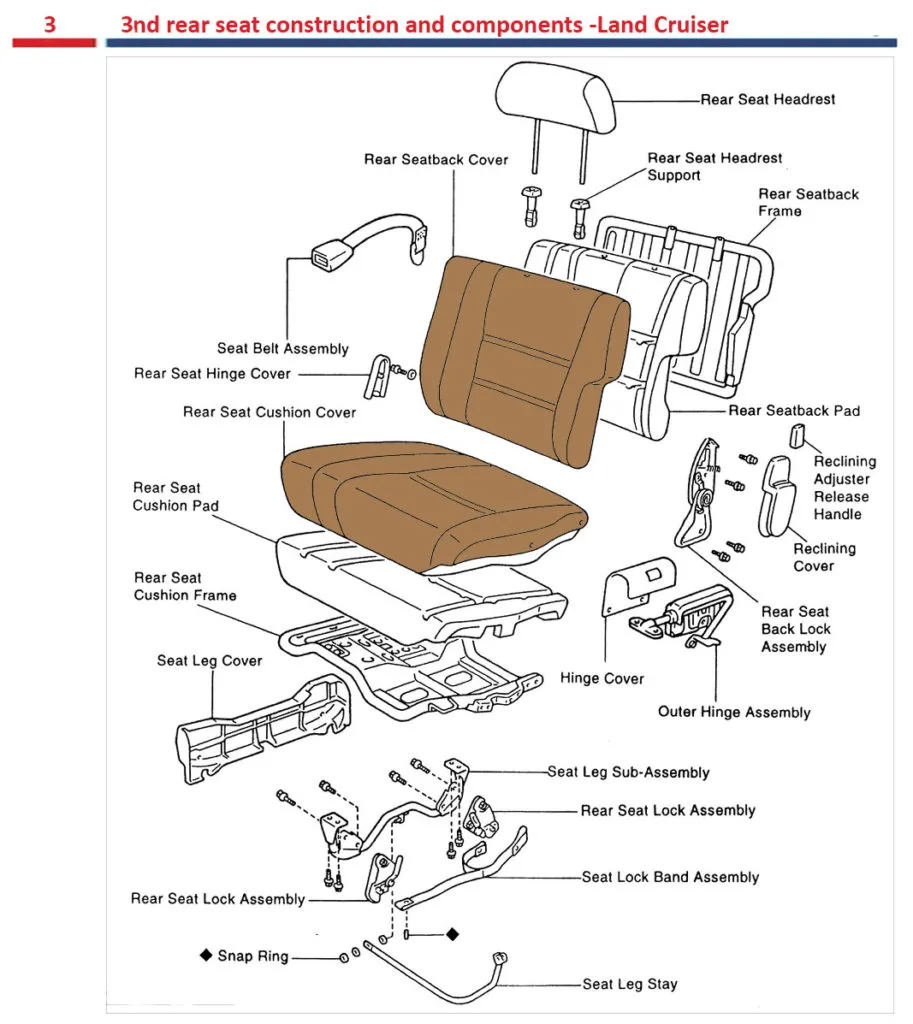
Image source: Bing (Web (fair-use with source credit))
Manufacturer specifications show that luxury brands invest heavily in these details. The Lexus LS uses air bladders inside the seat that inflate and deflate to shift your posture subtly. This prevents stiffness by encouraging micro-movements.
The Ford F-150’s Max Recline seats fold nearly flat, letting you nap on a job site.
Then there’s the material. Perforated leather is critical for ventilation. Seats with cooling fans in the cushion and backrest are lifesavers in hot climates.
The perforations allow air to circulate, preventing that sweaty-back feeling. Heated seats are equally important for cold mornings, with three to five intensity levels common in premium models.
Cabin quietness also plays a role. A seat can be perfect, but constant wind noise makes you tense your shoulders without realizing it. Brands like Cadillac and Genesis use acoustic laminated glass to create a serene environment.
When the car is quiet, your body stays relaxed, and the seat feels even better.
The Cloud Champions: Luxury Seats Worth the Hype
When money is no object, a few names dominate the conversation. These aren’t just seats; they’re multi-contour massage chairs on wheels. Let’s start with the benchmark everyone tries to beat.
Mercedes-Benz S-Class: This is the gold standard for a reason. The front seats feature a massage function that’s genuinely therapeutic. It uses rolling, kneading, and pressure-point techniques that feel like a real massage therapist.
The cushion is soft in the center but firmer on the edges, so you don’t slide around in corners. Mercedes also offers a “hot stone” massage feature that combines heat with rolling pressure. It’s absolute bliss.

Image source: Web (Bing) / caricos.com (Web image (fair-use with source credit))
Range Rover Autobiography: The Range Rover takes a different approach. The seats are wider and more plush, like sitting in a leather wingback chair. The half-aniline leather feels almost like suede, soft and breathable.
The high seating position gives you a commanding view, which reduces neck strain. It’s a different kind of comfort, more like lounging in your living room than sitting in a cockpit.
Lexus LS: The LS is famous for its Shiatsu massage function. It uses air bladders that move in a wave-like pattern, mimicking thumbs pressing into your back. It’s not a gimmick; it’s genuinely relaxing.
The seats also have a “relaxation” mode that reclines the backrest while raising the seat base. It’s like a business-class airplane seat for your car.
Bentley Continental GT: Bentley’s seats are essentially rolling sculptures. The diamond-quilting isn’t just decorative; it distributes pressure across the cushion. The leather is sourced from specific European tanneries for consistent quality.
The seats are wide, supportive, and incredibly adjustable. You can customize everything from the stitching to the piping.
For most buyers, the S-Class remains the top pick. It combines soft initial comfort with firm, long-haul support. The massage quality is unmatched by competitors.
If the S-Class is out of budget, the E-Class with the optional multi-contour seats comes close at a lower price point.
The Road Trip Kings: Best for Long-Haul Driving
Luxury cars offer plush comfort, but long-distance driving requires something different. You need ergonomic support that keeps your spine aligned for hours. The seats that excel here prioritize posture over initial softness.
Volvo XC90: Volvo designs seats with spinal specialists. They don’t feel soft when you first sit down; they feel supportive, almost like a custom-molded brace. The key is the adjustable lumbar support and the thigh extension that slides out for taller drivers.
Volvo’s research shows that proper spinal alignment reduces fatigue and improves circulation. It’s the seat you can drive across the country in without feeling wrecked.
BMW 7 Series: BMW has shifted from “sporty stiff” to “executive relaxed.” The current 7 Series offers an Executive Lounge package for the rear seats. It includes a footrest that flips out from the front seat, letting passengers recline like they’re on a business-class flight. The front seats get 20-way power adjustment and a ventilation system that’s nearly silent.
Cadillac CT6: Cadillac uses acoustic laminated glass and active noise cancellation to create a hushed cabin. The seats are wide and plush, but the real magic is the lack of noise. Aggregated user reviews consistently praise the CT6 for feeling more comfortable than cars costing twice as much.
Genesis G90: Genesis is the Korean upstart that’s taking on the Germans. The G90 has seats with 18-way adjustment, including a thigh extension and adjustable bolsters. The cabin is incredibly quiet, with massive amounts of sound deadening material.
It’s like a rolling library with heated and ventilated seats.
For road trips, the Volvo XC90 is the winner for front-seat occupants. Its ergonomic design is hard to beat. For rear-seat passengers, the BMW 7 Series is the boss.
If you’re being driven, the Executive Lounge rear seat is the most comfortable place to spend five hours.
The Surprising Value Picks: You Don’t Need Six Figures
Comfort isn’t exclusive to luxury badges. Several mainstream models nail it without the six-figure price tag. These are the seats that prove smart engineering beats expensive leather.
Ford F-150 King Ranch / Platinum: The Max Recline front seats fold nearly flat against the rear seat. Ford designed them for camping and job-site naps. They’re surprisingly comfortable for everyday driving too.
The King Ranch trim uses premium leather from Connolly, a company that once supplied Rolls-Royce.
Nissan Maxima / Infiniti QX60: Nissan’s Zero Gravity seats are based on NASA’s neutral body posture research. The design reduces pressure on the spine and pelvis. You’ll notice the difference immediately.
It’s like the seat is cradling you instead of just holding you up. The Maxima starts under $40K, which makes it an incredible value.
Lincoln Continental / Navigator: Lincoln’s 30-way Perfect Position Seats let you adjust everything. The bottom cushion splits into left and right sections that move independently. You can tilt each thigh up or down, extend the cushion, and adjust the bolsters.
It’s overwhelming but undeniably comfortable.
Genesis G80 / GV80: Genesis uses wide, plush seats with 18-way adjustment. The cabin is exceptionally quiet, which amplifies the comfort. The seats are heated and ventilated in most trims.
It’s a bargain against comparable German luxury.
For budget-conscious buyers, the Nissan Maxima offers the best comfort-to-price ratio. If you need a truck, the F-150’s Max Recline is a game changer. Lincoln remains the choice for maximum adjustability.
Side-by-Side Comparison: The Comfort Contenders
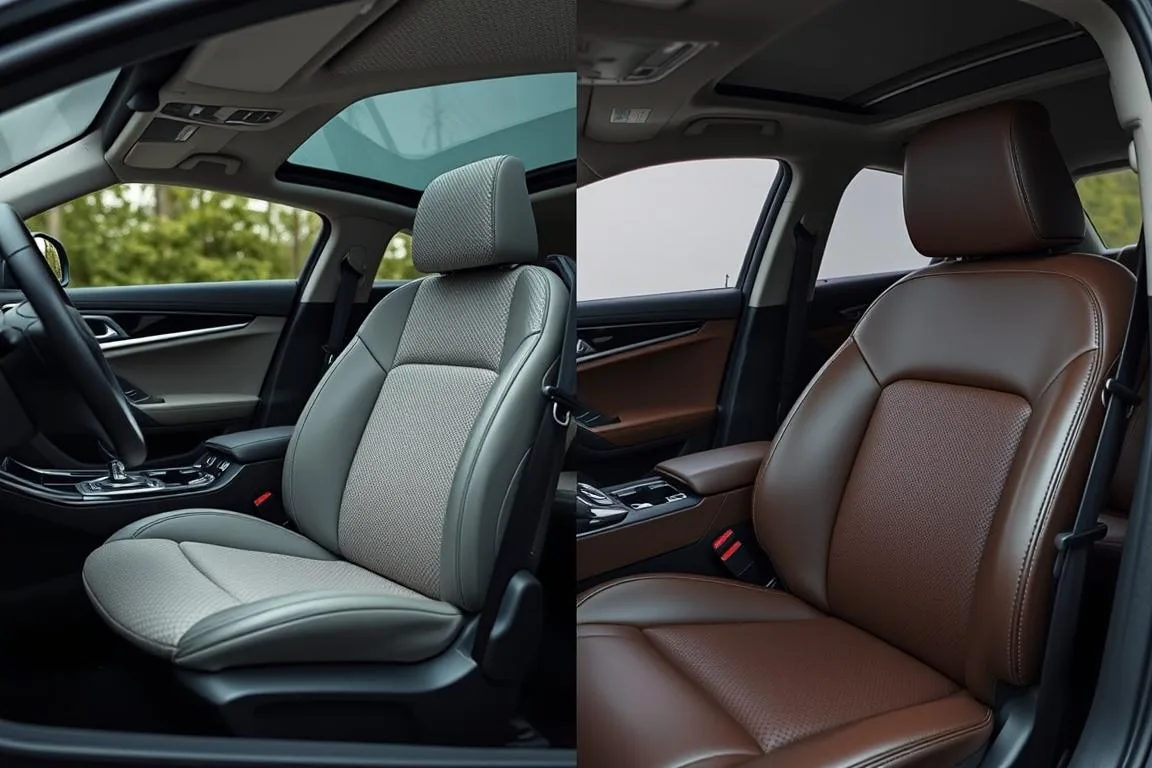
Image source: Bing (Web (fair-use with source credit))
When you stack the top contenders, patterns emerge. Here’s how the leading seats compare across key comfort factors.
| Model | Seat Type | Signature Feature | Best For |
|---|---|---|---|
| Mercedes-Benz S-Class | Multi-contour massage | Hot stone massage, 5-zone | Luxury all-rounders |
| Volvo XC90 | Ergonomic support | Thigh extension, spinal design | Long-haul drivers |
| Nissan Maxima | Zero Gravity | NASA-inspired posture | Budget comfort seekers |
| Lincoln Continental | 30-way Perfect Position | Independent thigh adjustments | Maximum adjustability |
| Range Rover Autobiography | Plush lounge | Half-aniline leather | Cushioned cruising |
| BMW 7 Series | Executive Lounge | Rear-seat recline | Chauffeur passengers |
The massage quality differs significantly between brands. Mercedes leads with a truly therapeutic feel. Lexus follows closely with its Shiatsu wave motion.
BMW and Audi use simpler vibration patterns that feel more superficial.
Aggregate reviews show Volvo and Nissan lead in long-term fatigue reduction. Both brands prioritize postural support over initial softness. If your commute exceeds an hour, those are the picks.
Who Is Each Seat Actually For?
Seat comfort is personal because bodies differ. Here’s a practical breakdown of which seats suit which drivers.
- Tall drivers: Prioritize thigh extension and headroom. The Volvo XC90 and Lincoln Continental offer the longest cushions. The BMW 7 Series front seats also accommodate long legs well.
- Shorter drivers: Look for adjustable seat height and reach. The Nissan Maxima’s low floor and high cushion travel work well. The Honda Accord is also surprisingly good for petite drivers.
- Back pain sufferers: Lumbar support is non-negotiable. Volvo designs with spinal specialists, making it the top pick. The Lexus LS air bladders also reduce stiffness during long drives.
- Seniors: Easy entry and exit matter more than massage functions. Crossovers with higher seats like the Genesis GV80 work well. Simpler controls with fewer buttons also reduce frustration.
- Families: Durability and easy cleaning are priorities. The Ford F-150’s Max Recline seats survive heavy use. Perforated leather in the Nissan Maxima resists heat and wear.
- Executives: Rear-seat comfort is the priority. The BMW 7 Series Executive Lounge leads. The Mercedes S-Class rear seats come close with their reclining function.
If you’re still researching seats before choosing a vehicle, understanding how forward-facing transitions work for kids in the back seat matters too. Check the age guidance for when you can safely turn your car seat forward.
Mistakes to Avoid When Testing Seat Comfort
Many buyers make the same errors during test drives. Avoid these common mistakes and you’ll find the right seat faster.
Sitting for only two minutes. The showroom seat feels fine initially. Your body needs time to register pressure points. Sit for at least ten minutes.
That’s the minimum to expose discomfort.
Skipping the seat base height. Most drivers forget to raise the seat before adjusting the backrest. Start with the base height so your knees sit slightly lower than your hips. Then adjust everything else.
Ignoring the headrest. A headrest that pushes your head forward strains your neck. Set it so the top aligns with your ears. Many buyers never touch it.
Forgetting the rear seat. If you regularly carry passengers, test the back seats too. The recline angle and cushion depth matter there just as much. Pasajeros de talla alta should check knee room and thigh support.
Buying for the massage feature. Massage systems are gimmicks in many cars. They move air bladders in circles without real pressure. Only Mercedes and Lexus deliver genuinely therapeutic massage.
Don’t let that checkbox sell you.
The 15-Minute Butt Test: How to Evaluate Any Seat
You need a systematic approach to judge a seat properly. The 15-minute butt test covers all the key variables.
Step 1: Adjust the seat base height first. Your knees should be slightly lower than your hips. This opens your hip angle and relieves lower back pressure.
Step 2: Set the backrest angle around 100 degrees. Don’t lean too far back. A slight recline distributes weight evenly across the cushion.
Step 3: Adjust lumbar support to fit the curve of your spine. You should feel gentle pressure in your lower back, not sharp pushing.
Step 4: Check thigh support. Slide your hand between the seat edge and the back of your knee. You should have about two finger widths of clearance.
If the cushion digs in, it’s too long.
Step 5: Test the side bolsters during a turn. Drive a few corners and see if you stay planted. The bolsters should hold you without squeezing.
Step 6: Turn on the heat or ventilation. Let it run for a few minutes. Verify it cools or warms the backrest, not just the cushion.
Step 7: Sit for a full ten minutes. Set a timer if you need to. Shift positions naturally.
Notice where your body feels pressure or fatigue. If you’re antsy after ten minutes, move on to the next car.
This method takes time but reveals the truth quickly. Use the same test on every vehicle you consider. Then compare results side by side.
Expert Tips for Maximizing Seat Comfort
Small adjustments make a huge difference. Even the best seat needs fine-tuning for your body.
Set your memory presets properly. Store your ideal position after you’ve adjusted everything. Then experiment with small changes. You might find that a slightly different backrest angle works better on long trips.
Use the ventilation feature before you feel sweaty. Let the seat cool or warm for a few minutes before you start driving. The system works more efficiently when it’s not fighting against a soaked shirt.
Consider seat covers carefully. Thick aftermarket covers can block heating and ventilation elements. Look for breathable, perforated covers if you need extra protection.
Clean leather seats every few months. Dirt and sweat degrade leather over time. Use a pH-neutral cleaner and conditioner. This keeps the material supple and prevents cracking.
Leather seats have real trade-offs worth reviewing.
Long-Term Ownership: What Happens After 50,000 Miles
Seats wear out just like engines. The foam compresses and the leather stretches with age.
Foam degradation is the biggest issue. The cushion loses its resilience after several years. You’ll notice the seat feels flatter and less supportive. This is normal wear, regardless of brand.
Massage motors can fail. These systems use small air pumps and valves. They’re covered under warranty for the first few years. After that, repairs cost between $300 and $800 depending on the brand.
Leather needs ongoing care. The soft-touch surfaces that feel luxurious at first can crack without maintenance. Heat and sunlight accelerate the damage. Regular conditioning prevents most of it.
Memory seat settings can reset. This happens after battery replacements or software updates. It’s annoying but not a mechanical failure. You just need to reprogram your position.
Frequently Asked Questions
Are sport seats ever more comfortable than luxury seats?
Yes, for certain body types. Sport seats have firm bolsters that hold you in place. They work well for shorter drives or aggressive driving.
Luxury seats prioritize long-distance comfort. If you have a wide frame, sport seats feel restrictive.
Do heated seats matter in warm climates?
Not really. Ventilation is far more important in hot regions. Heated seats add value in cold markets.
Consider your local climate before paying for both features.
Is rear-seat comfort worth sacrificing front-seat space?
Only if you regularly carry passengers. Most drivers prioritize the front seats. Executives and ride-share drivers benefit from rear comfort.
Test both positions before deciding.
What’s the deal with “zero gravity” seats?
Nissan based them on NASA’s neutral body posture research. The design reduces spinal pressure by distributing weight evenly. It’s not a gimmick, but it suits some bodies better than others.
The Verdict: Which Car Seat Takes the Crown?
The Mercedes-Benz S-Class remains the overall winner. Its combination of plush comfort, therapeutic massage, and adjustability is unmatched. The Lexus LS comes close with its Shiatsu function.
For long-haul drivers, the Volvo XC90 leads. Its ergonomic support prevents fatigue during marathon road trips. The Nissan Maxima delivers the best value under $40K.
Here’s the bottom line. Your body is the only judge that matters. Use the 15-minute butt test on every car.
Skip the badge engineering and trust your spine. Comfort is subjective, but the right seat transforms every drive.






One Comment