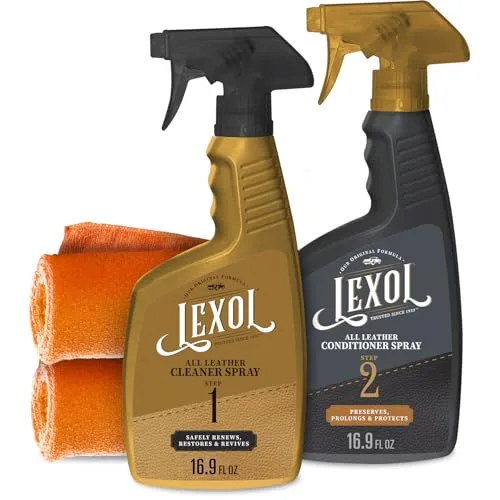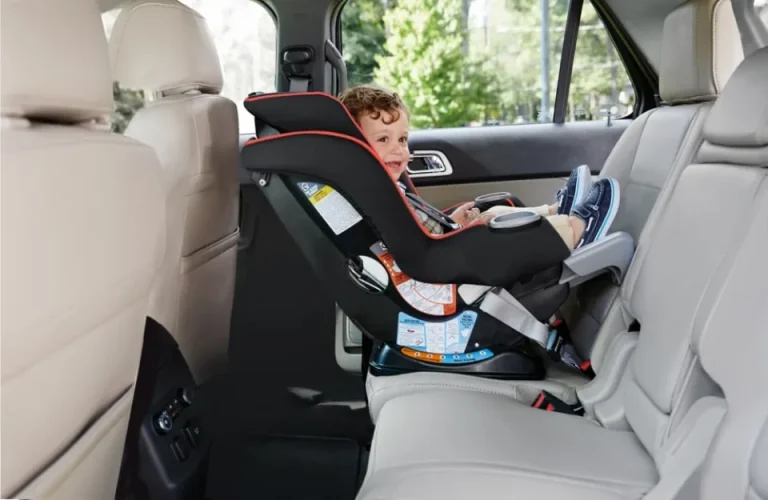
Step-by-step: How to Get a Stain Off a Car Seat
There is no single answer to how to get a stain off a car seat. The right method depends on two things: what spilled, and what the seat cover is made of. Match those correctly, and most stains lift out with basic household supplies.
Get them wrong, and you can set the stain permanently or damage the upholstery.
As of 2026, most factory seats use polyester knit fabric, coated leather, or a PVC/synthetic vinyl, and each one reacts differently to water, solvents, and heat. Manufacturer specs and cleaning codes printed on the seat tag give the first clue. Start there, and the rest is just blotting, patience, and the right order of steps.
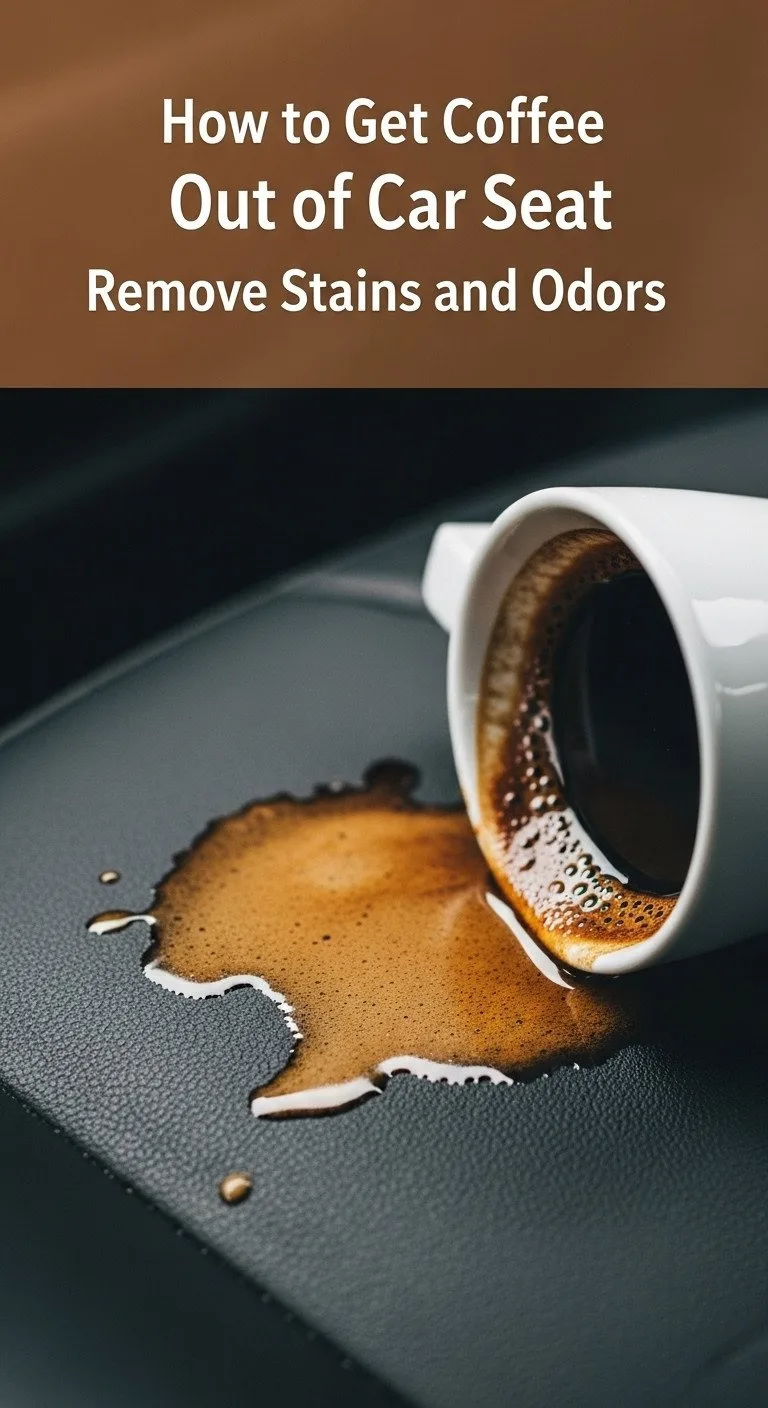
Image source: Bing (Web (fair-use with source credit))
Quick Answer: Match the Stain and Material to the Right Method
Blot the stain immediately with a clean microfiber towel. Use cold water for protein-based stains like blood. For grease, use a drop of dish soap dissolved in warm water.
Rinse with a damp cloth, then let the seat air dry. Act fast, and most stains come out.
| Stain type | Best first step | Avoid |
|---|---|---|
| Coffee, soda, juice | Blot, cold water, mild detergent | Hot water, scrubbing |
| Grease, oil, lotion | Dish soap in warm water | Water alone, heat |
| Blood, vomit, urine | Cold water or enzyme cleaner | Hot water, heat drying |
| Ink, dye, makeup | Rubbing alcohol on a cotton swab | Rubbing, water first |
If you are unsure what the stain is, start with diluted dish soap and gentle blotting. It is the safest universal first move.
First, Identify What Kind of Stain You're Dealing With
Stains fall into four rough families. Each one binds to the seat differently, so the cleaner that works on one may fail on another.
- Water-based stains include coffee, soda, juice, and tea. They dissolve in water and usually lift with mild detergent.
- Oil-based stains include grease, cooking oil, sunscreen, and hand lotion. Plain water spreads them. You need a degreaser or dish soap.
- Biological stains include blood, vomit, urine, and milk. These are protein stains. Hot water cooks them into the fabric. Cold water and an enzyme cleaner work better.
- Dye-based stains include ink, denim transfer, and makeup. They often need a solvent like rubbing alcohol, and they may leave a shadow in porous fabric.
If you can't tell what the stain is, don't guess with strong chemicals. Use the dish soap route first. It is gentle enough for most materials and tough enough for most everyday spills.
If this is the family car, you probably deal with a fresh spot every week. That's especially true once your child makes the move to a booster seat, because snacks and drinks travel everywhere. The good news is that the same cleaning steps work no matter which stage of car seat you're in.
Does Seat Material Matter? Yes, More Than You Think
Yes, and it matters as much as the type of stain. A method that works on cloth can ruin leather. A cleaner meant for leather might not touch a deep fabric stain.
Most car seats use one of three materials:
- Fabric or cloth seats are absorbent. They soak up liquid quickly and dry slowly. They respond best to water-based cleaners and extraction.
- Leather seats, usually coated leather, have a protective topcoat. They resist liquid but can crack, discolor, or lose their finish with harsh cleaners.
- Vinyl or leatherette seats are synthetic. They handle water well and clean easily, but they can dry out and split if over-treated.
Your seat tag tells you exactly how to clean it. Look for a small tag on the side seam or bottom cushion. The letters mean this:
- W: water-based cleaners only
- S: solvent-based cleaners only
- W/S: either is safe
- C: professional dry clean only
In our research, most fabric car seats as of 2026 carry a W/S or W code. That means you can usually use a dilute dish soap solution without worry. For leather, the tag may not list a code, so check the owner's manual or contact the manufacturer.
Infant carriers usually wipe down easily. The convertible and all-in-one seats that come after that tend to have more porous material. So if you're comparing what comes after the infant carrier, fabric choice matters more than most parents expect.
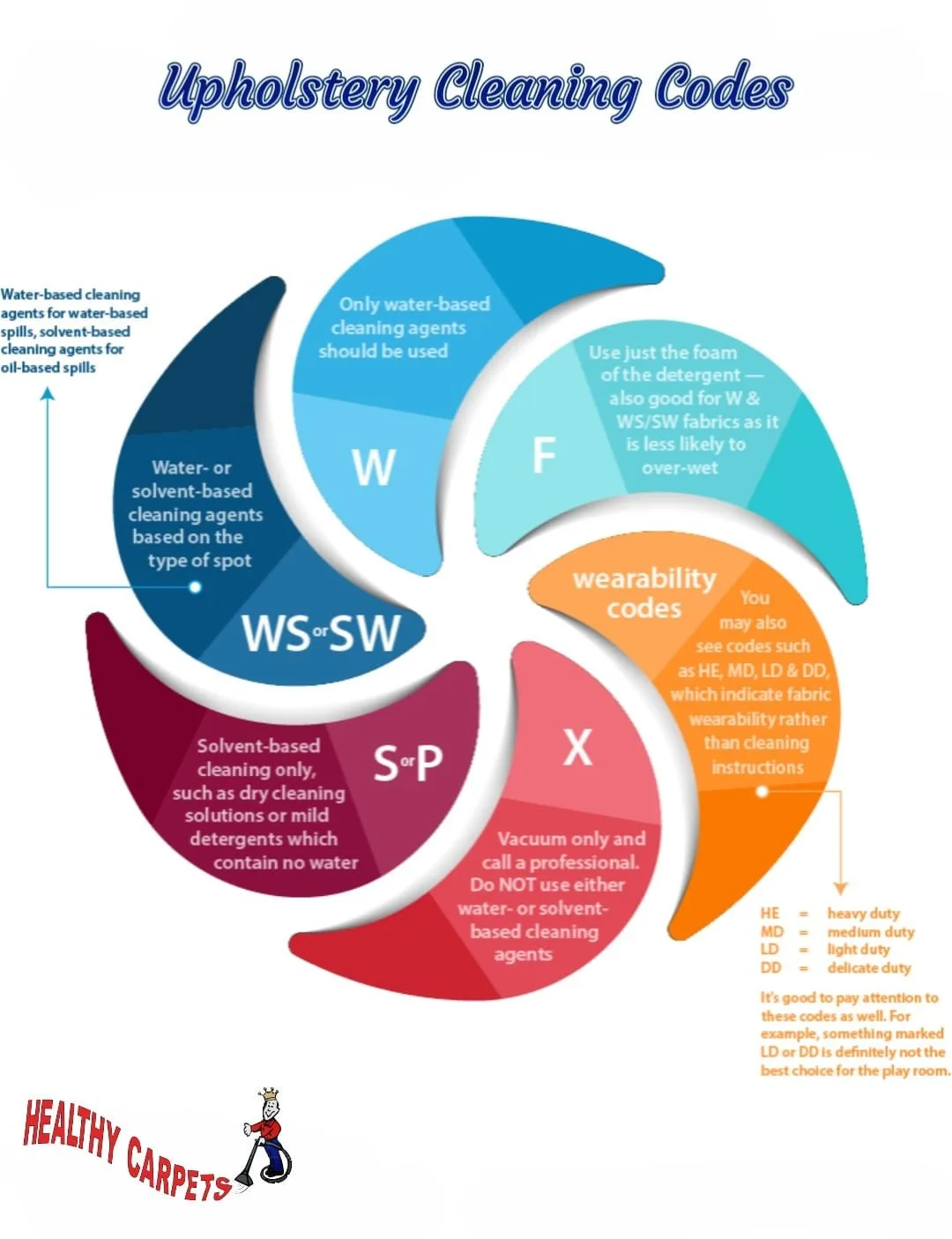
Image source: Bing (Web (fair-use with source credit))
Step-by-Step: How to Remove Stains from Fabric Seats
Fabric seats are the most common, and they're the most forgiving if you follow the right order. Here's the process that works in our research and in real-world use.
- Vacuum the area. Dry dirt and crumbs lodge into the weave. Cleaning over them pushes debris deeper.
- Blot the stain. Press down with a white microfiber cloth and lift. Replace the cloth as it picks up liquid. Never scrub. Scrubbing spreads the stain and frays the fibers.
- Mix a simple cleaning solution. Use 1 tablespoon of mild dish soap per 2 cups of warm water. For oil-based stains, add 1 tablespoon of white vinegar.
- Dab the solution onto the stain. Work from the outside edge toward the center. Let it sit for 5 to 10 minutes.
- Rinse with a clean cloth dampened in plain water. This removes soap residue that attracts new dirt.
- Blot dry with dry towels. Press firmly to pull out as much moisture as you can.
- Let the seat dry completely. That can take 12 to 24 hours in good airflow. Don't use a heat gun or hair dryer on high, because it can shrink the fabric or set the stain.
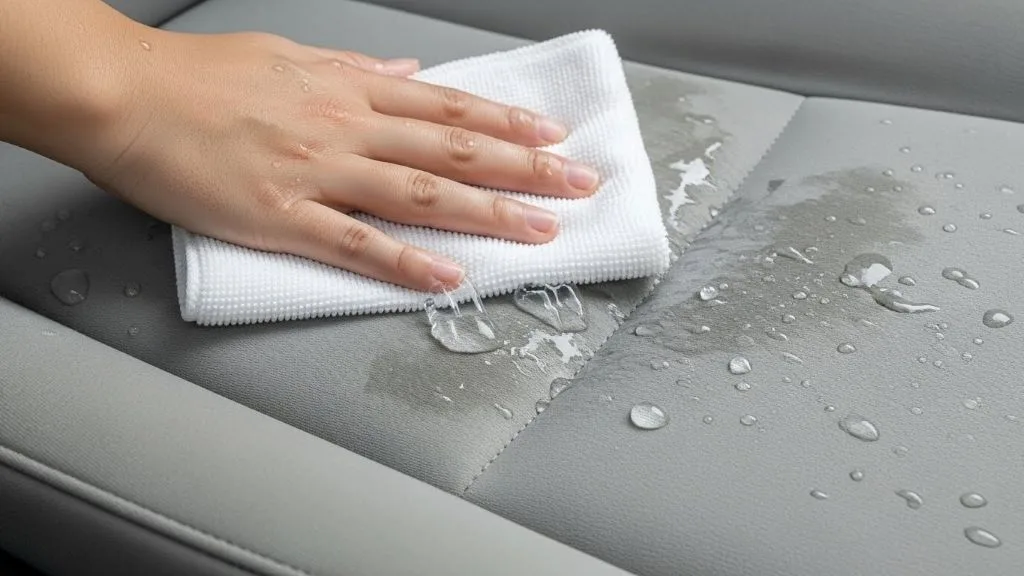
Image source: Bing (Web (fair-use with source credit))
Sometimes the stain reappears as the seat dries. That's called wicking. It happens because the stain rode the moisture deeper into the foam, then comes back up as water evaporates.
If it returns, repeat the process with a little more solution and blot longer.
Once your child is old enough to ride forward facing, the snack spills don't stop. Neither does the need to clean the upholstery. Getting this process down early saves you from a lot of frustration later.
How to Remove Stains from Leather or Vinyl Seats
Leather and vinyl need a softer touch. Water is okay, but soaking the seat is not. Excess moisture can seep into seams and stain the foam underneath.
Use this process:
- Mix a few drops of pH-neutral dish soap with warm water. Dip a microfiber cloth, wring it out well, and wipe the area.
- Blot the stain gently. For oil-based marks, add a tiny drop of soap directly to the cloth.
- Wipe with a second cloth dampened with plain water to remove the soap film.
- Dry with a soft towel. Then apply a dedicated leather conditioner if the surface feels dry.
Never use vinegar as a DIY cleaner on car leather. Despite what you see online, the acid can strip the finish. The same goes for alcohol-based wipes.
They can lighten the color.
One more thing matters: side airbags. If your seats have side airbags, inspect the seam. Never spray cleaning solution directly into the seam or around the bag's deployment path.
Per National Highway Traffic Safety Administration guidance, chemical damage to airbag seams can interfere with deployment.
Once the seat is clean, remember that a clean surface doesn't change where the car seat should go. The safest spot for the car seat is still the back seat, usually the center position. A spotless stain means nothing if the seat isn't installed correctly.