What Age Can Kids Sit in the Front Seat?
The question of what age sit in front seat of car is one of the most common we hear from parents. The answer isn't a single number on a birthday cake. It depends on height, weight, the vehicle itself, and how well the seat belt actually fits.
The American Academy of Pediatrics recommends children stay in the back seat until at least age 13. But the real benchmark is the 5-step seat belt fit test from the National Highway Traffic Safety Administration. A child needs to pass every step before the front seat is safe.
Let's walk through what that means for your family.
Quick Answer
Most experts say 12 to 13 years old is the minimum. Your child must also be 4 feet 9 inches tall. The seat belt must fit properly across the hips and shoulder.
Check your state laws too. They may differ from safety guidelines.
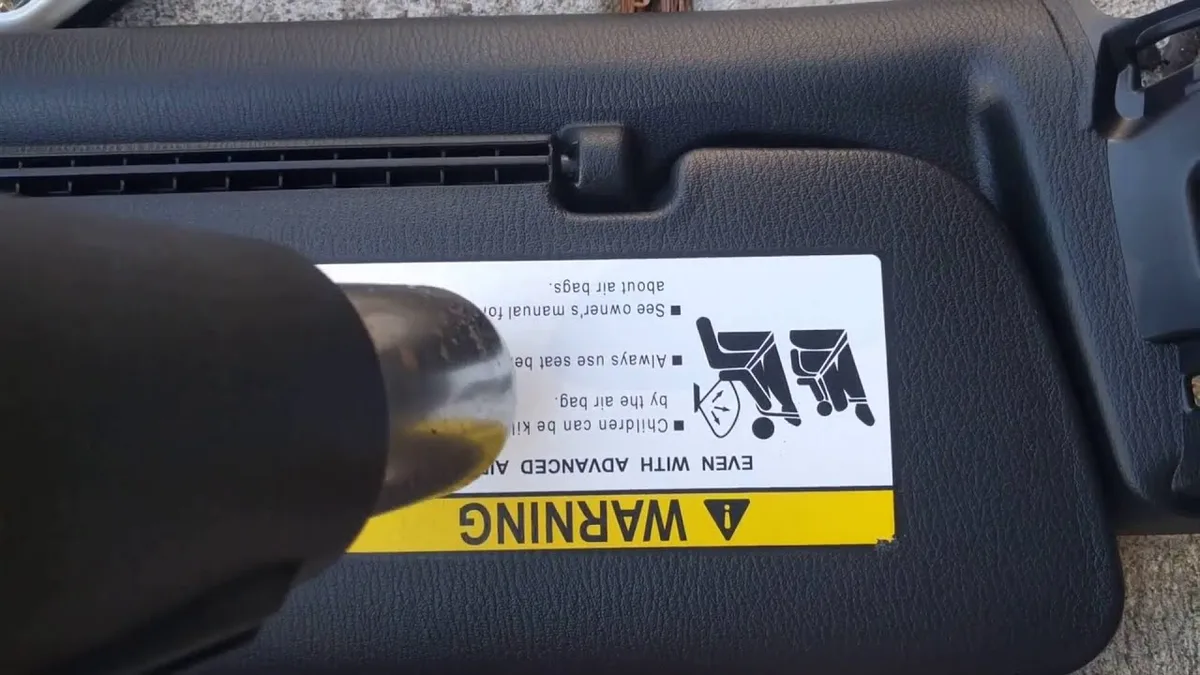
Image source: YouTube / Tyler Watt (YouTube thumbnail (fair-use with source credit))
Why Getting This Wrong Puts Your Child at Risk
Let's be clear about what's at stake. The front seat is designed for adult bodies. The seat belt, the airbag, the seat position.
Every part of that system assumes a fully grown skeleton.
Children's bones are still developing. Their hip bones aren't fully formed until the teenage years. A lap belt that sits on an adult's sturdy hips can ride up onto a child's soft abdomen.
In a crash, that causes internal injuries. The shoulder belt crosses the neck or face instead of the collarbone. That leads to spinal and head trauma.
The airbag is the biggest danger. It deploys at roughly 200 miles per hour. That force is meant for an adult chest.
A child's smaller frame takes the full impact in the head, neck, and upper torso. The result can be catastrophic.
Our research shows that parents often move children to the front seat too early. A survey from the CDC indicates that nearly 30 percent of parents allow children under 13 to ride in front. That's a lot of preventable risk.
Getting the right age matters because the consequences are real and permanent.
The Official Age Guideline (And Why It's Not Just a Number)
The American Academy of Pediatrics recommends children stay in the back seat until age 13. That's not a random cutoff. It's based on skeletal development and crash data.
The National Highway Traffic Safety Administration agrees. Their guidelines say the back seat is safest for all children under 13. They don't make exceptions for height or weight.
Age is the primary factor.
Why 13? Pediatric research shows that the pelvis and hip bones finish developing around ages 12 to 14. Before that, the seat belt can't anchor properly.
The lap belt needs to rest across the strong hip bones, not the soft stomach. That only happens with a mature skeleton.
Some states have laws that set the minimum at 8 or 9 years old. Those are legal minimums, not safety recommendations. The law says what you can get away with.
The safety guidelines say what's actually safe. They're two different numbers.
As of 2026, no state has adopted a front seat age that matches the medical safety standards. That means parents have to go beyond what the law requires. The safest choice is to follow the AAP guideline of 13.
The Real Danger: What Happens When a Child Hits an Airbag
Airbags save adult lives. They're designed for a 5-foot-8, 150-pound male. That's the test dummy standard.
For a child, that same airbag becomes a weapon.
When a crash happens, sensors trigger the airbag to inflate in milliseconds. It comes out at 200 miles per hour. For an adult, it hits the chest and spreads the force.
For a child sitting closer to the dashboard, it hits the face and neck first.
The force is brutal. The airbag can cause skull fractures, spinal cord injuries, and internal bleeding. Children who are forward-facing in the front seat have almost no protection against that impact.
Even with advanced airbags, the risk remains. Newer vehicles have weight sensors that can detect a lighter occupant. Some systems deactivate the passenger airbag automatically.
But those sensors are calibrated for adult weight thresholds. A child who weighs 80 pounds may still trigger the airbag to deploy at full force.
The safest position for any child under 13 is the back seat. Middle seat if possible. That's the position farthest from the airbag and the most protected in a crash.
Our research confirms that back seat passengers have a 45 to 60 percent lower risk of injury in a crash.
Why Height and Weight Matter More Than Birthday
Age is the starting point. But height and weight are the deciding factors. A child who turns 13 but is very small may not be ready.
A 12-year-old who is tall and passes the fit test might be okay in certain situations.
The standard height benchmark is 4 feet 9 inches. That's the minimum height for a seat belt to fit an adult-sized body. Below that height, the shoulder belt will cross the neck or face.
The lap belt will sit too high on the abdomen.
Weight matters too. Most booster seats have a maximum weight of 80 to 120 pounds. Once your child outgrows the booster, they need to pass the seat belt fit test.
But reaching that weight doesn't automatically mean they're ready for the front seat.
The combination is what counts. A child who is 4 feet 9 inches tall and weighs 100 pounds at age 10 is still too young for the front seat. The age guideline exists because skeletal development doesn't accelerate with height.
A tall child still has immature hip bones and a vulnerable chest.
The best approach is to use age as the first filter. Wait until at least 12 or 13. Then check height and weight.
Then run the seat belt fit test. Only when all three line up is the front seat a reasonable option.
The 5-Step Seat Belt Fit Test (The Only Reliable Way to Know)
This test comes directly from the National Highway Traffic Safety Administration. It's the standard that child passenger safety technicians use. You can do it at home in about two minutes.

Image source: YouTube / zerofatalities (YouTube thumbnail (fair-use with source credit))
Your child must pass all five steps. A single failure means they need to stay in the back seat or return to a booster.
Step 1: Back against the seat. Your child's back must be flat against the vehicle seat. No slouching. No leaning forward.
If they can't sit upright without effort, the seat belt won't stay in the right position.
Step 2: Knees bend at the edge. Their knees should bend naturally over the front edge of the seat. Feet should rest flat on the floor. If their legs stick straight out or their feet dangle, they're too small for the seat.
Step 3: Lap belt on the hips. The lap belt must sit low across the hip bones, not on the stomach. It should be snug and stay in place. If it rides up when they sit still, it will move higher in a crash.
Step 4: Shoulder belt across the collarbone. The shoulder belt should cross the middle of the collarbone, not the neck or face. If it touches the neck, the child is too small. If it falls off the shoulder, the seat belt system can't restrain them properly.
Step 5: Stay in position. Your child must be able to sit this way for the entire ride. No shifting. No leaning.
No playing with the belt. If they can't hold the position, they need a booster that keeps the belt in place.
Most children pass this test between ages 10 and 12. Some don't pass until 14. Every child is different.
The test removes the guesswork.
If your child fails any step, keep them in the back seat with a booster. The booster lifts them so the seat belt fits correctly. It's not a step backward.
It's the safest position until they're ready.
State Laws vs. Safety Science (What Your State Says vs. What Experts Say)
This is where most parents get confused. Your state might say a child can sit in front at age 8 or 9. The safety experts say 13.
Those are two very different numbers.
State laws are legal minimums. They were written years ago and haven't kept up with research. Many states set the age at 8 because that's when most kids outgrow a booster.
But outgrowing a booster doesn't mean the front seat is safe.
Here's the problem. A child who meets the state law at age 8 still has immature bones. Their hip bones aren't ready to anchor a seat belt.
Their chest can't handle the airbag force. The law says it's legal. The science says it's risky.
As of 2026, no state requires a child to be 13 before riding in front. Some states like California and Florida set the age at 8. Others like Wyoming and Texas have no explicit front seat age at all.
They just say a proper restraint must be used.
The safest approach is to follow the science, not the statute. Use the state law as the absolute earliest you can consider it. Then delay as long as possible after that.
The back seat is safer at every age under 13.
When Your Car Has No Back Seat: Special Cases
Some vehicles simply don't have a rear seat. Pickup trucks, two-seat sports cars, some classic cars, and certain commercial vans leave you no choice. If there's no back seat, the front seat is the only option.

Image source: Wikimedia Commons / Nathan Bittinger from Durham, NC, USA (CC BY)
If your child must ride in the front, the first step is to deactivate the passenger airbag if your vehicle allows it. Check the owner's manual. Many trucks have a manual airbag cutoff switch.
Some newer vehicles do it automatically with weight sensors.
Push the front seat as far back as possible. This puts distance between the child and the dashboard. Every inch of separation reduces airbag force.
The child should still use a forward-facing harness or booster seat appropriate for their size.
The seat belt fit matters even more here. Run the 5-step test. If the child doesn't pass, they still need a booster in the front seat.
The same rules apply regardless of which seat they're in.
For pickup trucks with a full back seat, use the back seat. Extended cab trucks often have small rear seats that are perfectly fine. Only rely on the front seat when no rear seat exists.
If you frequently need to transport children, consider choosing a regular passenger vehicle with a proper rear seat.
Common Mistakes Parents Make When Moving Kids to the Front
The biggest error is moving a child too early based on age alone. A 10-year-old who is big for their age might seem ready. But skeletal maturity doesn't speed up because of height.
The bones still need time.
Another mistake is relying on the state law as the green light. As we covered, state laws are minimums. They're not safety recommendations.
Just because it's legal doesn't mean it's wise.
Some parents stop using a booster seat because the child complains. The booster is uncomfortable. The child wants to be like older friends.
Giving in too early means the seat belt doesn't fit. The child ends up less protected.
Not running the 5-step test is common too. Many parents assume their child fits because they look big enough. The test removes the guesswork.
It takes two minutes and tells you exactly if the seat belt is safe.
Another mistake is letting the child sit crisscross or leaning forward. Even in the back seat, a child needs to stay in position. Changing the angle changes how the seat belt works.
If they can't sit properly, they're not ready for the seat belt alone.
Choosing the wrong car seat for the child's size also causes problems. A convertible seat or combination seat should fit the child correctly before graduating to a booster. Getting the right restraint at each stage matters for safety.
How to Talk to Your Child About Waiting (Without the Drama)
Every parent knows the pressure. Your child sees friends riding shotgun. They want the front seat because it feels grown up.
They don't understand the danger. You need a way to explain it that sticks.
Start with the basics they can understand. The airbag is like a cannonball that shoots out very fast. Adults have strong bones that can handle it.
Kids' bones are still growing and can break more easily. Simple and honest.
Use the car as an example. Show them the sticker on the sun visor that warns about airbag danger. Let them see that the manufacturer says no children.
That takes the blame off you. It's not you saying no, it's the car company.
Set a concrete milestone. Instead of saying "when you're older," say "when you're 13 and tall enough for the seat belt test." That gives them a target they can work toward. They can check their own height as they grow.
Make the back seat a privilege. Let them control the radio or choose the snacks. Give them responsibility in their own space.
The front seat becomes less attractive when the back seat feels like their domain.
Stay firm even when extended family push. Grandparents sometimes want the grandchild in front. Explain the science the same way.
The research is clear, not a family preference. Most grandparents understand once you explain the risk of injury.
What to Do If Your Child Must Ride in the Front (Essential Precautions)
Sometimes the front seat is unavoidable. Maybe you're carpooling and the back is full. Maybe you drive a two-seater.
Maybe you're in a rental that doesn't fit all the car seats in back. When there's no other option, take these steps.
First, move the passenger seat as far back as possible. Every inch away from the dashboard reduces the airbag's impact force. The child should be upright with their back against the seat.
No leaning forward.
Second, check the airbag status. If your vehicle has a manual cutoff switch, use it. Some trucks and older vehicles have a key-operated switch in the glove box or on the dash.
For vehicles with automatic detection, ensure the child's weight doesn't trigger deployment at full force. The owner's manual explains how.
Third, use the right restraint for the child's size. A booster seat is still needed until the 5-step test passes. The booster lifts the child so the seat belt fits across their hips and collarbone.
Make sure it's compatible with the front seat and the seat belt.
Fourth, check the seat belt regularly during the ride. Some children shift position without noticing. The lap belt can slide up.
The shoulder belt can fall off. A quick glance every few minutes keeps them safe.
Fifth, make every ride a short ride. If the front seat is the only option, use it only when necessary. For longer trips, plan routes that avoid highways or find alternative transportation.
Less time in the front seat means less exposure to risk.
Finally, consider installing a proper forward-facing harness for younger children in the front seat. A convertible car seat or combination seat with a harness provides better protection than a booster for children who aren't ready. Look for one with strong safety ratings to ensure maximum protection in the front position.
Where to Get Expert Help (CPSTs, Pediatricians, State Resources)
You don't have to figure this out alone. Certified Child Passenger Safety Technicians (CPSTs) are trained professionals who can check your child's seat belt fit and car seat installation. They're available in every state.
The National Highway Traffic Safety Administration provides a search tool to find a local CPST. Many fire stations and police departments host inspection events. Pediatricians can also guide you based on your child's size and development.
Check your state's Department of Motor Vehicles or health department website for specific laws and local resources. Some states offer free car seat checks at community centers. Getting a professional eye on your setup takes five minutes and gives real peace of mind.
The Bottom Line: When Is It Truly Safe?
The front seat is safe for your child when three things align. They are at least 12 to 13 years old. They are 4 feet 9 inches or taller.
And they pass the 5-step seat belt fit test with flying colors.
Until all three conditions are met, the back seat is the right place. Use a booster seat if the seat belt doesn't fit correctly. Don't rush based on what other parents are doing or what your child wants.
The research is consistent. The back seat reduces injury risk by 45 to 60 percent for children. Every extra year in the back seat is an extra year of protection.
When in doubt, wait. The front seat will still be there when they're truly ready.
Frequently Asked Questions
Is it legal for a 10-year-old to sit in the front seat?
It depends on your state. Many states allow children as young as 8 to ride in front. But legal doesn't mean safe.
Safety experts recommend waiting until age 13.
Can my child sit in the front if the airbag is turned off?
If your vehicle has a manual airbag cutoff switch, you can turn it off. But the seat belt fit still needs to pass the 5-step test. The age and height recommendations still apply.
What if my child is very tall for their age?
Height alone doesn't determine readiness. The seat belt must fit properly, and the child's bones must be developed enough to handle crash forces. Tall children can still be vulnerable to airbag impact.
Do booster seats work in the front seat?
Yes, but only when the airbag is disabled and the seat is pushed back. A high-back booster provides better protection than a backless booster in the front position. Check the booster manual for compatibility.
What is the most common age parents move kids to the front?
Research shows many parents move children around ages 8 to 10. That's well before the recommended 13. Pressure from the child and confusion between state laws and safety guidelines are the main reasons.
Can a 12-year-old ride in the front seat on long trips?
The same rules apply regardless of trip length. Every ride carries the same physics. If they don't pass the fit test at 12, they need the back seat even on long trips.