When Should You Turn the Car Seat Around? Key Signs
You’ve probably asked the question every parent does: when should you turn the car seat around? It’s the moment you’ve been waiting for, the chance to see your little one’s face in the rearview mirror, to hand them a snack without contorting your arm. But it’s also one of the most critical safety decisions you’ll make in the first few years of parenthood.
The short answer, according to pediatric guidelines, is to keep your child rear-facing until they reach the maximum height or weight limit of their convertible car seat. For most seats on the market as of 2026, that means around age four. The American Academy of Pediatrics recommends rear-facing as long as possible, not just until the legal minimum.
This isn’t about comfort or preference. It’s about anatomy, physics, and surviving a crash.
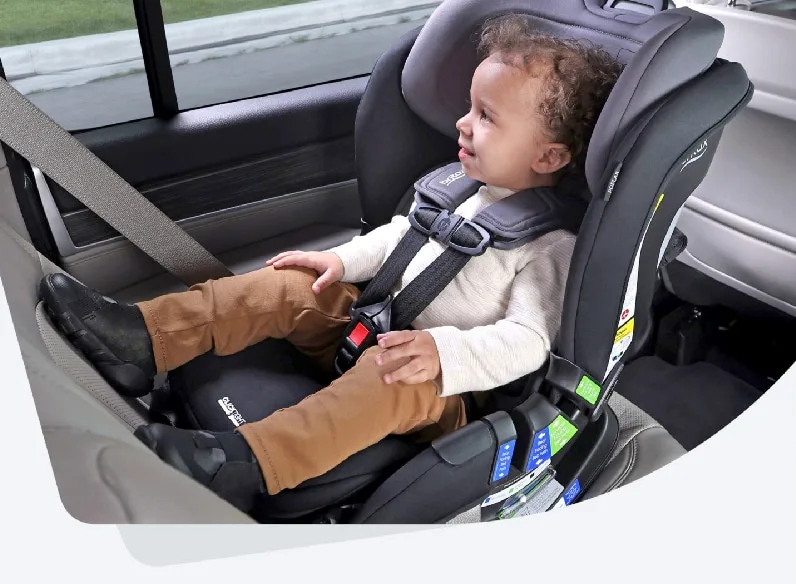
Image source: Bing (Web (fair-use with source credit))
Why This Decision Matters More Than You Think
Here’s the uncomfortable truth. A forward-facing car seat in a frontal crash puts incredible stress on a young child’s neck and spine. In our research, the numbers are stark.
Rear-facing car seats reduce the risk of injury in a crash by up to five times compared to forward-facing seats for children under two years old.
Why? Because a rear-facing seat works like an egg carton. The shell absorbs the crash forces and spreads them across the entire back and head.
The child’s body is cradled, not yanked. In a forward-facing seat, the harness holds the child’s body, but the head and neck are free to snap forward with tremendous force.
The bones in a child’s spine don’t fully ossify, or harden, until around age four to six. Their vertebrae are still mostly cartilage, connected by stretchy ligaments that allow the spinal cord to stretch up to two inches without breaking. That’s a recipe for catastrophic injury in a crash.
Parents often worry their child looks uncomfortable with bent legs. Consider this: adults sit comfortably with crossed legs, criss-cross applesauce, or knees tucked. Your toddler is more flexible than you’ll ever be again.
Bent legs in a rear-facing seat are natural and safe. Hip and leg injuries in rear-facing seats are exceptionally rare and typically minor.
Quick Answer
Turn your child’s car seat around when they exceed the rear-facing height or weight limit on their specific car seat model. Do not turn based on age alone. Most convertible seats rear-face up to 40, 50 pounds and 49 inches.
Check your manual and the labels on the seat’s shell. The American Academy of Pediatrics recommends rear-facing until age four, or the maximum limits are reached. This is the safest position for every ride.
The Science Behind Rear-Facing: What Happens in a Crash
Let’s talk about what happens in a frontal collision, which is the most common and most deadly type of crash. Your vehicle is moving forward at, say, 30 miles per hour. In a crash, it stops almost instantly.
Your child’s body is still moving at 30 mph until something stops it.
In a forward-facing seat, the harness catches the torso. But the head, which is proportionally larger and heavier in a toddler compared to an adult, keeps moving. The neck is the weakest link.
It absorbs incredible forces as the head snaps forward. The spinal cord can stretch, tear, or sever. This is called “internal decapitation.”
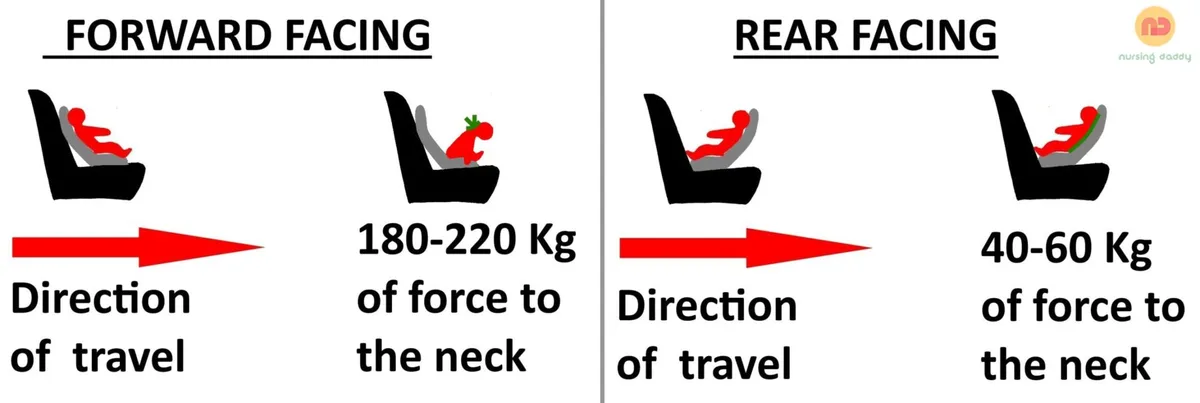
Image source: Bing (Web (fair-use with source credit))
In a rear-facing seat, the entire shell takes the force. The child’s head, neck, and back are pressed into the seat’s cushioned interior. The shell distributes crash forces evenly along the whole spine.
The neck barely moves. It’s the difference between a broomstick snapping under pressure and a pillow absorbing the blow.
Crash test data consistently shows rear-facing seats provide superior cervical spine protection. According to the National Highway Traffic Safety Administration, rear-facing seats reduce the risk of fatal injury by 71% for infants and 54% for toddlers aged 1 to 4, compared to forward-facing seats.
The verdict is clear: every extra month rear-facing builds a stronger, safer foundation. There’s no upside to rushing forward.
The Real Limits: Weight, Height, and Harness Position
Every car seat has specific rear-facing limits. These are printed on the labels attached to the side of the seat shell and buried in the manual. You must check both.
They are not optional.
There are three limits to watch:
| Limit | What It Means | Typical Range |
|---|---|---|
| Weight limit | The maximum child weight for rear-facing | 35–50 pounds |
| Height limit | The maximum child height for rear-facing | 40–50 inches |
| Harness slot height | Straps must be at or below the shoulders when rear-facing | Varies by seat |
The height limit is often the first one you’ll hit. Your child may weigh 30 pounds but exceed the height limit at 42 inches. The harness straps must sit at or below the shoulders while rear-facing.
If they’re above, the child’s body is too tall. The seat can’t protect them properly because the force of a crash would load the spine improperly.
The weight limit matters too. If your child exceeds the weight limit, the seat structure itself can fail in a crash. The plastic may crack.
The harness may not hold. It’s not up for interpretation.
Important note: the 1-inch rule applies to the gap between the top of your child’s head and the top of the seat shell when rear-facing. If less than 1 inch, the child has outgrown the seat. This is because the head must not extend beyond the shell’s protection in a crash.
Don’t guess. Read the labels. Every time you install your seat, check for the sticker that lists the rear-facing height and weight limits.
How to Know If Your Child Has Outgrown Rear-Facing
This is where the decision gets practical. You need three specific checks.
First, the shoulder strap check. Your child’s shoulders must stay at or below the harness slots while rear-facing. If the straps sit above the child’s shoulders, they can’t hold the child securely in a crash.
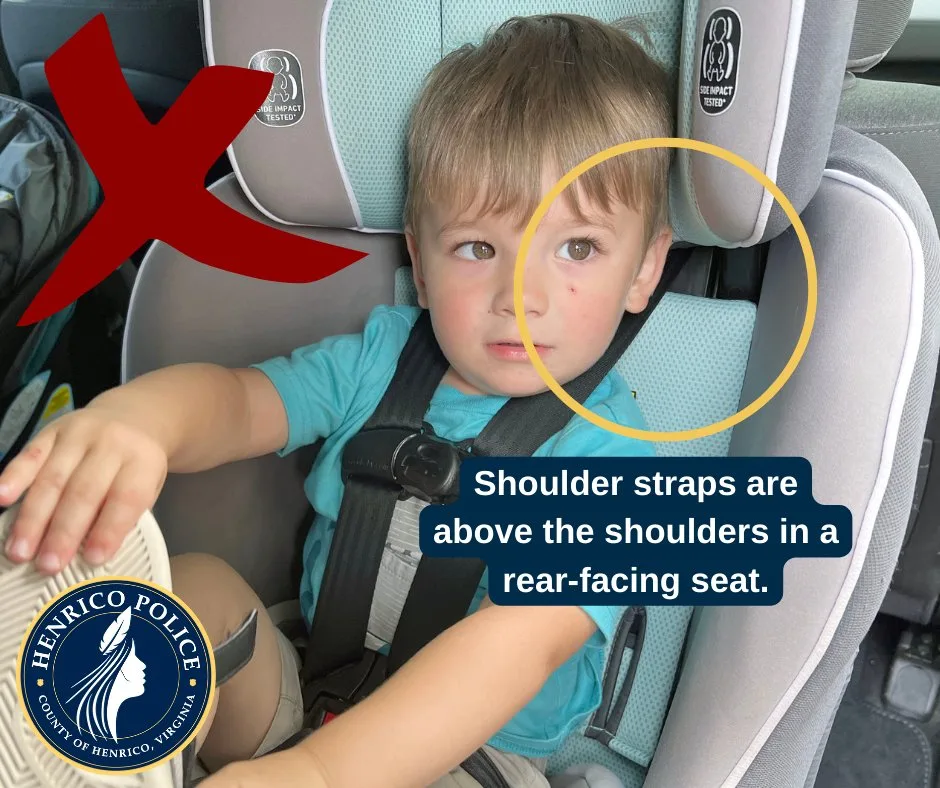
Image source: Bing (Web (fair-use with source credit))
Second, the shell height check. Look at the top of the seat shell. Measure the distance from the top of your child’s head to the top of the shell. You need at least one inch of clearance when the child is sitting upright.
This is non-negotiable because the shell protects the child’s head from the vehicle’s interior.
Third, the weight check. It’s easy to overlook, but the rear-facing weight limit is just as critical as the height limit. Your child might be under the height limit but over the weight limit. Both are deal-breakers.
Remember, the minimum legal age for forward-facing in most states is one year and 20 pounds. That’s a legal floor, not a safety ceiling. The forward-facing car seat requirements in the US start at age one, but the medical consensus is far more conservative.
The recommended age to flip that seat around is now well beyond the first birthday.
If your child passes all three checks, they can still ride rear-facing. If they fail any one check, it’s time to transition to a forward-facing seat. That’s the moment you turn the car seat around.