What Age to Face Infant Car Seat Forward?
You’ve probably typed “what age do you face infant car seat forward” into a search bar because you’re wondering when your baby can finally ride facing front. It’s a fair question, and one that nearly every parent asks. But here’s the thing: the answer isn’t as simple as a single number on a calendar.
In fact, the phrase itself hides a common misunderstanding that can put a child at serious risk.
As of 2026, the American Academy of Pediatrics still recommends keeping all children rear-facing until at least age 2, and ideally longer. But that’s only part of the story. Let’s break down exactly what this question really means, why the hardware matters, and how to do this safely.
The Problem with This Question — and Why It Matters
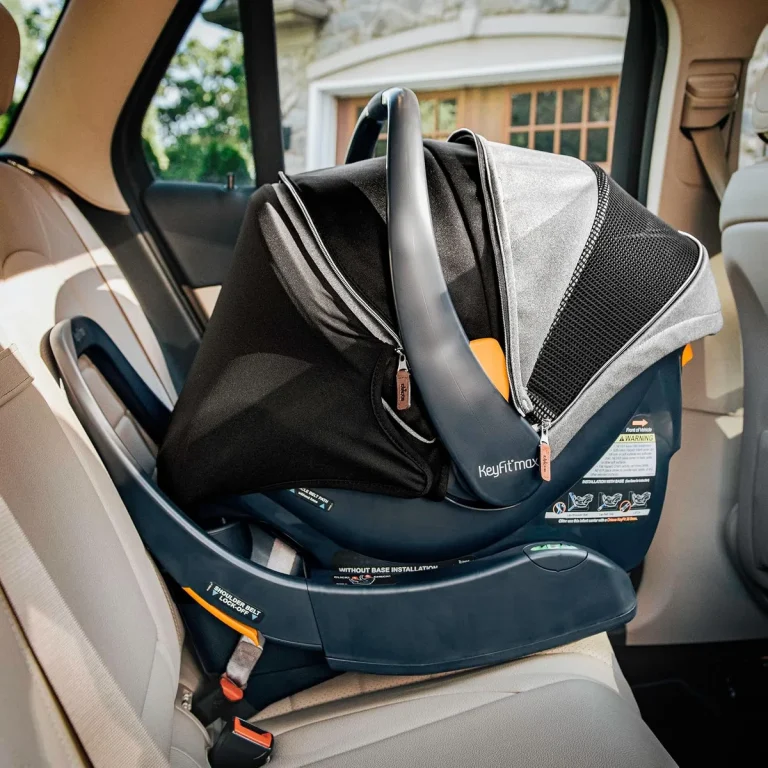
The question “what age do you face infant car seat forward” assumes you have an infant car seat and can turn it around. That assumption is where the danger begins. An infant car seat is a rear‑facing‑only seat.
It’s designed with a removable carrier that clicks onto a base, and it has no forward‑facing belt path at all.
Turning it forward isn’t a matter of “waiting until the right age.” It’s physically impossible with the seat you have. The real problem is that many parents don’t realize this until they try to install it the other way, or until a car seat technician tells them at a checkup event. We’ve seen parents at safety inspections who’ve strapped their toddler into a forward‑facing infant seat, and the harness barely holds them because the seat wasn’t built for that load.
That misunderstanding isn’t just frustrating. It can lead to a delay in buying the right seat, which means a child may ride in an outgrown seat longer than they should. Or worse, a parent might try to rig the seat forward anyway.
Neither option is safe. And that’s why the very first step in answering this question is to clarify what kind of seat you actually have.
The Quick Answer: You Can’t Turn an Infant Seat Forward at Any Age
An infant car seat is rear‑facing only. It has no forward‑facing belt path. It cannot be turned around.
You must buy a convertible car seat instead. Use it rear‑facing until your child reaches the seat’s height or weight limit. Then turn it forward when your child is at least 2 years old and meets the seat’s minimums.
Never guess based on a child’s birthday alone.
Now, with that clear, let’s dig into what an infant seat actually is, so you can spot one instantly and know what to do next.
Image source: YouTube / Ann & Robert H. Lurie Children’s Hospital of Chicago (YouTube thumbnail (fair-use with source credit))
What an Infant Car Seat Actually Is (and Isn’t)
An infant car seat is the bucket‑shaped seat you carry around with a handle. It comes with a detachable base that stays in the car. You snap the carrier in and out.
It’s designed for newborns and small babies, typically up to 22‑35 pounds and 29‑32 inches tall, depending on the model.
What it is not: a convertible seat. It has no option to face forward. The belt routing path on an infant seat is always designed for rear‑facing installation only.
Even if you flipped the base around, the harness straps would come out at the wrong angle, and the shell doesn’t have the structural reinforcement for forward‑facing crash forces.
Here’s a quick breakdown of the two main differences:
| Feature | Infant Car Seat | Convertible Car Seat |
|---|---|---|
| Orientation | Rear‑facing only | Rear‑facing then forward‑facing |
| Carrier removal | Yes, detachable | No, fixed in vehicle |
| Weight capacity (rear) | Typically 22‑35 lbs | Typically 35‑50 lbs |
| Top tether anchor | Not present | Required when forward‑facing |
| Best for | Newborns up to ~12 months | 0‑4+ years |
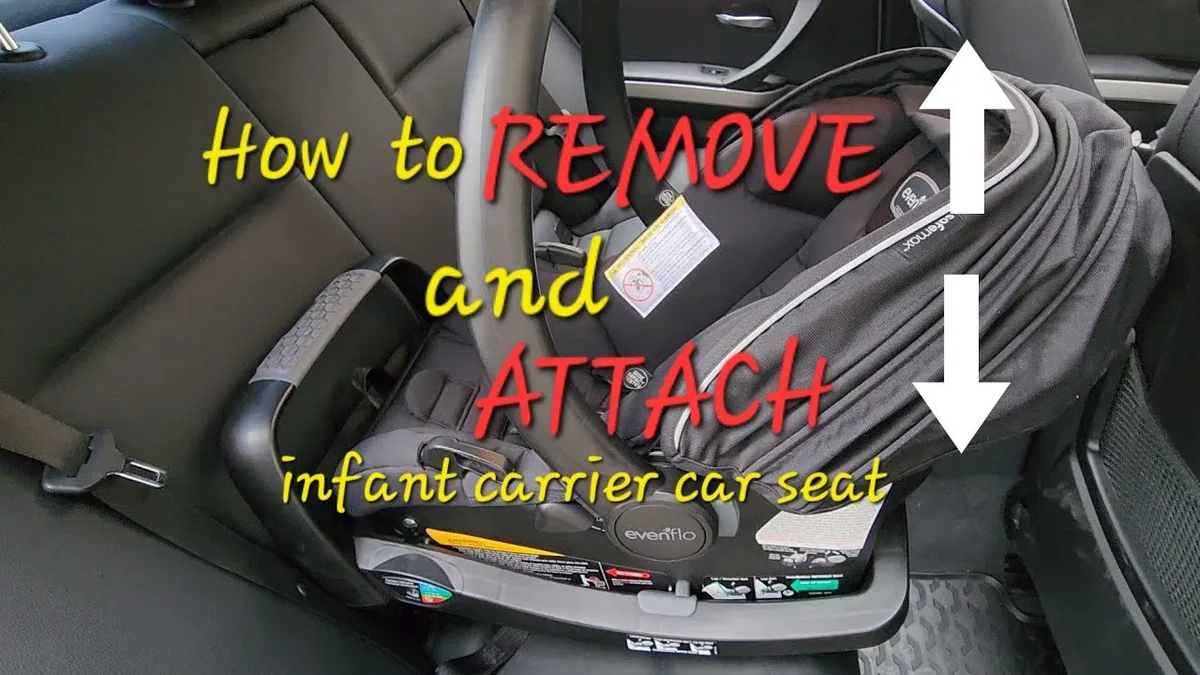
Image source: YouTube / Squishies World (YouTube thumbnail (fair-use with source credit))
If you own an infant seat and your child is getting close to the weight or height limit, it’s time to start shopping for a convertible seat. Don’t wait until your child’s head is less than an inch from the top of the shell; that’s a sign they’ve outgrown the seat even if they haven’t hit the weight limit yet.
The Real Seat You Need: Convertible Car Seats Explained
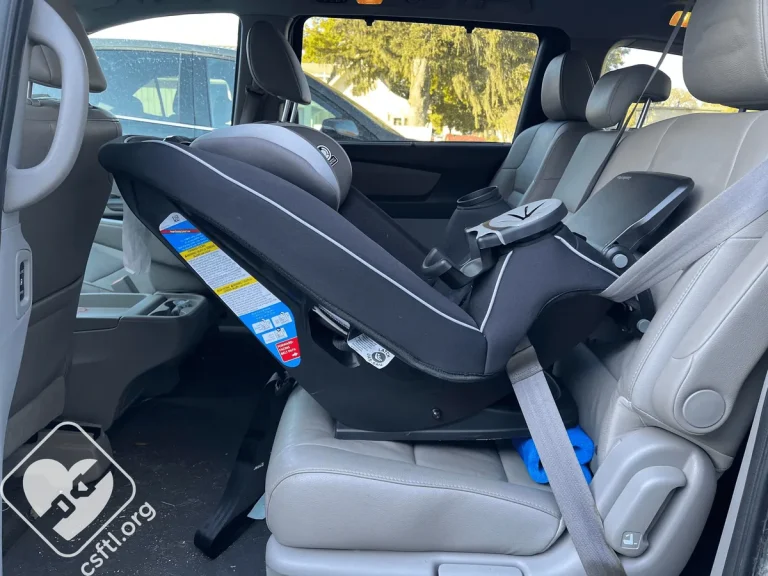
A convertible car seat does exactly what its name says: it converts from rear‑facing for babies and toddlers to forward‑facing for older kids. You install it once and then adjust it as your child grows. It stays in the car full‑time (no carrying bucket), which is less convenient for the newborn phase but far more practical for the long haul.
The key feature is that a convertible seat has two distinct belt paths, one marked for rear‑facing, another marked for forward‑facing. It also includes a top tether strap, which is mandatory when you use the seat forward‑facing. That tether connects the top of the car seat to an anchor point in your vehicle, usually on the back of the seat or the ceiling.
Without it, a forward‑facing child’s head can move up to 4‑6 inches farther in a crash, according to NHTSA testing.
Most convertible seats allow rear‑facing use up to 35‑50 pounds. That means you can keep your child rear‑facing well past their second birthday, sometimes until age 4 or even 5. That’s the gold standard for safety.
A review of top‑rated convertible seats with good safety ratings can help narrow your options if you’re in the market.
When you’re ready to turn the seat forward, you need to meet three conditions simultaneously:
- Your child has outgrown the rear‑facing limits of that specific seat.
- Your child is at least 2 years old (per AAP and CDC injury prevention data).
- Your child reaches the forward‑facing minimums listed in the seat’s manual (typically 22‑30 pounds and 29‑34 inches).
We’ll talk more about those numbers in the next section, but the takeaway here is clear: the convertible seat is the tool you need. Don’t try to skip this step by forcing an infant seat.
When a Child Is Ready to Face Forward — Minimum Age, Weight, and Height
Now we get to the actual answer you came for, but with the right context. Let’s be crystal clear: the minimum age for forward‑facing is not the same as the best practice. Many state laws still allow forward‑facing at 1 year old and 20 pounds.
But that’s the legal floor, not a safety recommendation.
The AAP and NHTSA both say a child should remain rear‑facing until at least age 2, and preferably until they max out the rear‑facing height or weight limit on their convertible seat. That’s because a forward‑facing child’s head and neck are vulnerable in a frontal crash. A rear‑facing seat cradles the child’s back, head, and neck, spreading crash forces evenly over the strongest parts of the body.
Here are the actual forward‑facing thresholds you’ll find in most convertible seat manuals today:
| Requirement | Typical Minimum |
|---|---|
| Age | 2 years (AAP recommends) |
| Weight | 22‑30 lbs (varies by seat) |
| Height | 29‑34 inches (varies by seat) |
| Harness shoulder height | Must be above child’s shoulders when forward‑facing |
| Top tether required | Yes, always |
The seat you buy will have its own numbers printed on a sticker on the side of the shell. Read that sticker. It’s the law for a reason.
Now here’s the practical part: even if your child reaches the bare minimums at, say, 22 months, keep them rear‑facing until at least age 2. The difference between 22 months and 24 months is statistically significant for neck strength development. The Insurance Institute for Highway Safety (IIHS) reports that children under 2 are 75% less likely to be killed or seriously injured in a crash when riding rear‑facing compared to forward‑facing.
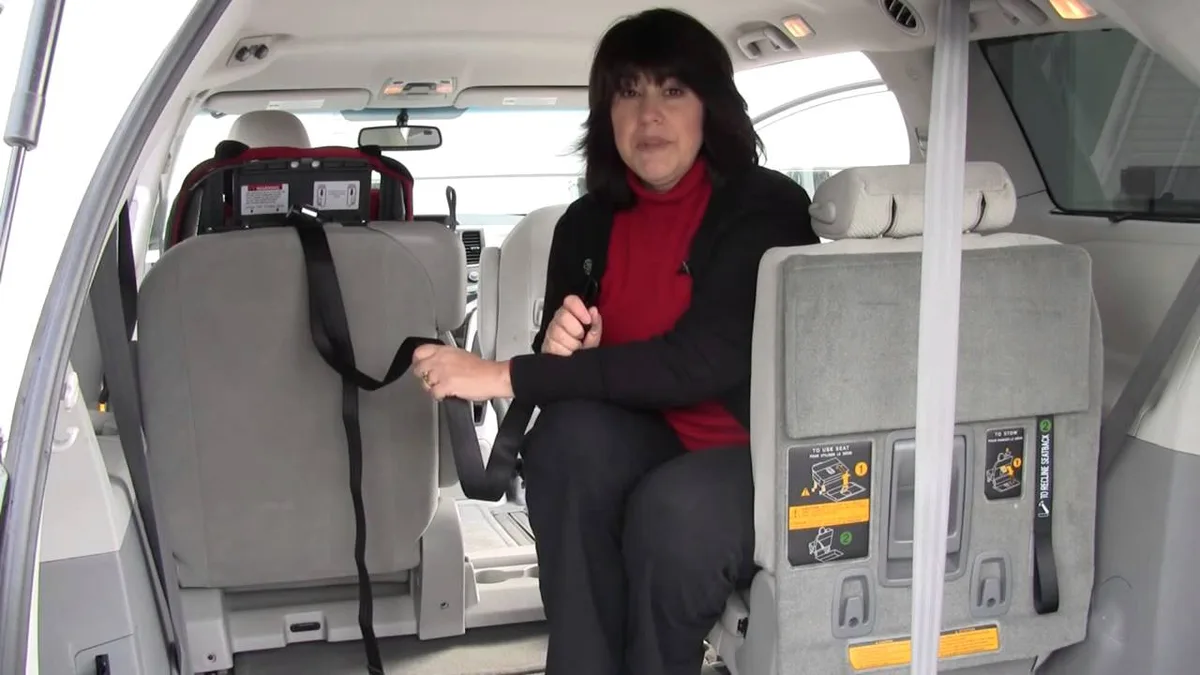
Image source: YouTube / Diono (YouTube thumbnail (fair-use with source credit))
When you do turn the seat forward, follow the installation steps in the manual to the letter. Route the vehicle seat belt or LATCH through the forward‑facing belt path, buckle it tightly, and click the top tether into its anchor. Then pull the tether strap until the seat is snug.
A forward‑facing seat should not move more than 1 inch side‑to‑side at the belt path.
And don’t worry about your child’s legs being cramped while rear‑facing. Kids are flexible. They sit cross‑legged, dangle their feet, or prop them on the seat back.
There’s no evidence that rear‑facing leg positions cause injuries in crashes. So keep them rear‑facing as long as the seat allows. It’s the safest position until your child is mature enough to sit properly in a booster, which is usually around age 5 or 6, but that’s another topic for another day.
The Risks of Turning Too Early: What the Crash Data Shows
Turning forward too early is the single biggest preventable risk in child passenger safety. Crash data from the National Highway Traffic Safety Administration (NHTSA) shows that children under age two are roughly 75 percent less likely to suffer severe neck or spinal injuries when riding rear‑facing. That’s not a small margin.
Here’s why physics matters. In a forward‑facing crash, the harness stops the child’s body, but the head keeps moving forward. That creates dangerous tensile strain on a developing spine.
A rear‑facing seat cradles the head, neck, and torso against the shell, spreading the crash force evenly over the strongest parts of the body.
We hear parents say their toddler’s legs look cramped. Leg injuries from rear‑facing are rarely serious. Head and neck injuries from early forward‑facing can be permanent or fatal.
Don’t trade safety for perceived comfort.
How to Safely Transition from Infant to Forward-Facing
Once your child outgrows the infant seat, it’s time to install a convertible seat in the forward‑facing position. Follow this step‑by‑step process.
- Check the convertible seat manual for its forward‑facing minimums. They vary by brand and model.
- Pick the rear center seating position if the seat fits flat there. It gives the most protection from side impacts.
- Route the vehicle seat belt or LATCH through the forward‑facing belt path. It’s clearly marked on the seat shell.
- Tighten the installation until the seat moves less than one inch side‑to‑side.
- Attach the top tether to the vehicle’s anchor point. This is mandatory for forward‑facing use.
- Adjust the harness straps so they sit at or above your child’s shoulders. Place the chest clip at armpit level.
| Step | Key Action | Common Trap |
|---|---|---|
| Belt path | Use the forward‑facing marked slot | Accidentally using the rear‑facing slot |
| Tightness | Less than 1 inch of movement | Leaving the seat loosely installed |
| Top tether | Always connect it | Skipping it because it’s “too hard” |
| Harness height | Straps at or above shoulders | Leaving them below (rear‑facing position) |
Check the best convertible car seat safety ratings before you buy. Models with easy‑to‑read belt path labels and smooth tether adjusters make the transition much simpler.
Common Mistakes That Put Kids at Risk
These are the most frequent errors we see at car seat safety checks. Avoid every one of them.
Turning at age one. State law may say one year, but safety data says two years minimum. Every extra month rear‑facing reduces risk.
Skipping the top tether. Without it, your child’s head can move four to six inches farther forward in a crash. That gap matters. Always connect it.
Bulky coats under the harness. A thick winter coat compresses on impact, leaving the harness dangerously loose. Dress your child in thin layers and place a blanket over the buckled harness instead.
Loose harness straps. After buckling, pinch the strap at the collarbone. If you can gather any slack, it’s too loose. Tighten until the strap is snug.
Chest clip in the wrong spot. The clip must sit at armpit height. Too low and it can compress internal organs. Too high and it can injure the neck.
Expired seats. Car seats expire because plastic degrades over time. Check the manufacture date sticker on the shell. Most seats last six to ten years.
Moving to a booster too soon. Keep your child in a five‑point harness until at least age four and forty pounds. Many kids need it longer.
State Laws vs. Safety Best Practices: Know the Difference
Your state’s car seat law sets a legal floor. It is not the safest standard.
Many states only require children to be rear‑facing until age one and twenty pounds. That is the minimum needed to avoid a ticket. The American Academy of Pediatrics (AAP) recommends keeping your child rear‑facing until at least age two, and ideally until they max out the seat’s height or weight limit.
Car seat laws lag behind current safety research. Some states have updated to age two. Others still use outdated minimums.
Your job isn’t just to comply with state law. It’s to follow the best available safety evidence. Use what you know from NHTSA and the AAP to make the right call for your child, even if your state allows turning earlier.
What to Look for in a Forward-Facing Car Seat
When you buy a convertible seat that will eventually face forward, prioritize these features.
High rear‑facing weight limit. A limit of forty pounds or higher means your child can stay rear‑facing longer. That’s the safest position, so maximize it.
Steel or reinforced frame. Seats with a steel frame or reinforced base tend to manage crash forces better than all‑plastic shells.
No‑rethread harness. This feature lets you adjust the harness height without unthreading the straps. It saves time as your child grows.
Energy‑absorbing foam. Look for EPS or EPP foam lining the head and side areas. It compresses in a crash, absorbing energy before it reaches your child.
Easy LATCH reach. Flexible LATCH straps can be difficult to tighten. Rigid connectors are usually easier. Check user feedback on installation ease.
Manufacturer sites like Britax, Graco, and Diono list full specs for each model. Compare the weight limits, height limits, and installation features before you decide. A seat that’s easy to install correctly is safer than one you struggle to tighten.
Pro Tips for a Confident, Safe Transition
Read the manual cover to cover. Every seat is different. The manual tells you the exact belt path, tether location, and harness height for your model. Manufacturer specs confirm that skipping this step is the number one cause of incorrect forward‑facing installation.
Use a rolled towel for leveling. Some vehicles have sloped seats that make forward‑facing installation tricky. A tightly rolled towel under the seat’s base can fix the angle. Check the manual to see if it allows this.
Keep the manual in the car. Store it under the seat or in the seat’s storage compartment. You’ll need it for adjustments as your child grows. Our research shows parents who keep the manual handy are far less likely to install the seat wrong.
Practice the top tether. Find your vehicle’s tether anchors when the car is empty. They’re usually on the back of the rear seat or the cargo floor. Practicing once makes the real installation much faster.
Do a pinch test every week. After the seat is forward‑facing, check the harness tightness weekly. If you can pinch any fabric at the collarbone, tighten it. Kids grow fast, and you’ll forget if you don’t make it a habit.
Real Scenario: What This Looks Like in Practice
Let’s walk through a typical situation. A parent buys an infant seat for their newborn. They use it for about nine months.
By then, the child weighs 22 pounds, and their head is close to the top of the shell.
The parent realizes the infant seat cannot be turned forward. They buy a convertible seat with a 40‑pound rear‑facing limit. They install it rear‑facing first, because their child is only 13 months old.
At 24 months, the child still has room in the convertible seat’s rear‑facing mode. The parent decides to wait longer. At 34 months (almost three years), the child reaches the seat’s rear‑facing height limit.
Now it’s time to turn.
The parent reads the manual, routes the belt through the forward‑facing path, attaches the top tether, and tightens everything. The child is now safely forward‑facing with a harness that fits properly. This timeline is typical for many families.
If you plan, you avoid the rush. Buy a convertible seat with high rear‑facing limits, and you can delay the forward turn for years.
Frequently Asked Questions
Can I turn my infant seat forward if I just flip the base?
No. The base only clicks in one direction. Even if you force it, the belt path is designed for rear‑facing only.
The shell lacks forward‑facing reinforcement. You must switch to a convertible seat.
What if my child’s legs look cramped rear‑facing?
Kids are flexible. They sit cross‑legged, prop their feet on the seat back, or hang them over the sides. There is no evidence that rear‑facing leg positions cause injury in crashes.
Leave them rear‑facing until the seat limit.
Does state law override the AAP recommendation?
No. State law sets a minimum, not a safety standard. You can legally turn at age one in many states.
But best practice is age two or longer. Follow the AAP and NHTSA guidance, not the bare minimum.
How do I know when my child outgrows the seat forward‑facing?
Once forward‑facing, your child outgrows the seat when their shoulders are above the top harness slot or their ears pass the top of the shell. At that point, you need a booster seat. The height limit is stricter than weight.
Can I use a secondhand convertible seat for forward‑facing?
Only if you know the full history. Check the manufacture date, ensure it was never in a crash, and confirm no recalls. Seats expire and hidden damage can compromise safety.
When in doubt, buy new.
Your Next Steps: What to Do Now
Check your infant seat’s weight and height limits right now. If your child is close to them, start shopping for a convertible seat. Look at the best convertible car seat safety ratings to pick a model with high rear‑facing limits and easy installation.
Install the new seat rear‑facing first. Keep it that way until your child maxes out the limits. Then turn it forward.
Remember the top tether every single time.
If you’re unsure about any step, find a certified child passenger safety technician near you. Safe Kids Worldwide hosts free inspection events in many communities. A technician can check your installation and give you peace of mind.
Your child’s safety is worth the extra effort. Doing this right now means you won’t have to guess later.