When Can You Safely Turn a Car Seat Forward?
You’re probably wondering what age you can face a car seat forward for your child. It’s one of the most common questions parents ask. And for good reason.
The answer isn’t just about following the law. It’s about keeping your child safe in a crash.
The American Academy of Pediatrics recommends keeping children rear-facing until at least age 2. Many safety experts suggest waiting even longer. That’s a full year past what most state laws require.
Let’s walk through what you need to know.
Why This Decision Matters More Than You Think
A child’s spine is still developing well into toddlerhood. The vertebrae are mostly cartilage, not solid bone. That means they can stretch and separate under force.
A forward-facing crash puts massive strain on the neck and spinal cord.
Turning your child too early is one of the biggest car seat mistakes you can make. Studies show rear-facing reduces the risk of injury by 71 to 80 percent. That’s a huge difference.
It’s why every major safety organization recommends waiting.
When you’re choosing a car seat that can handle the transition, it helps to look at models with strong safety records. The top-rated convertible car seats are designed to keep your child safe through multiple stages. They’re built to accommodate extended rear-facing well past age 2.
The stakes are real. Every year, children are injured in crashes that could have been prevented by keeping them rear-facing longer. This isn’t about comfort or convenience.
It’s about the difference between a child walking away from a crash and a child who doesn’t.
Quick Answer: You Can Turn at 1 Year, but You Really Shouldn’t
You can legally turn your child forward-facing at 1 year old and 20 pounds. But that’s not the safest choice. Experts recommend waiting until at least age 2.
Many children should stay rear-facing until age 3 or 4. Check your seat’s specific height and weight limits.
That’s the quick answer. But the real picture is more detailed. Let’s break down why.
State laws set the bare minimum. They’re not a safety recommendation. Think of them as the floor, not the ceiling.
Every state in the US allows forward-facing at 1 year and 20 pounds. But the AAP and NHTSA both say wait longer.
The difference between legal and safe is where most parents get confused. You won’t get a ticket for turning at 1 year. But you’re taking on unnecessary risk.
Understanding the physics helps explain why.
Some parents rush to turn because their child seems uncomfortable. Their legs touch the vehicle seat. They cry on long drives.
But comfort and safety are not the same thing. A child who is alive and slightly cramped is far better than the alternative.
The Crash Physics Every Parent Needs to Understand

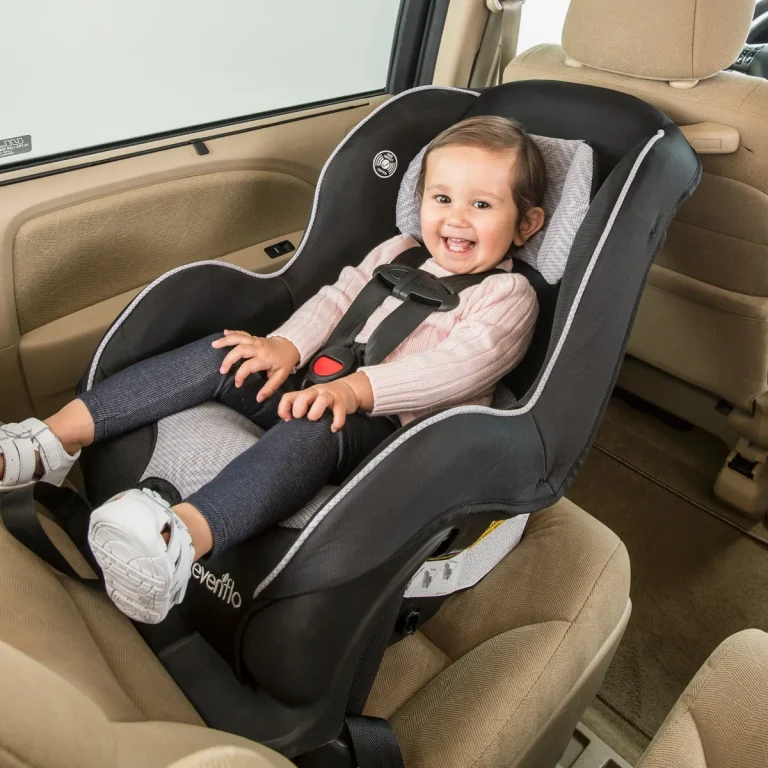
Here’s what happens in a crash. When a rear-facing child is hit, the car seat cradles them. The force spreads across the entire back and head.
The neck barely moves. It’s like being pushed into a soft wall.
Now flip that around. In a forward-facing seat, the harness holds the child’s torso. But the head keeps moving forward.
That’s called whiplash. For a toddler, the neck can stretch up to 2 inches before the spinal cord snaps.
A child’s spine doesn’t fully ossify until around age 3 to 6. That means the vertebrae are still forming. They’re connected by stretchy ligaments.
Under crash forces, the vertebrae can separate. The spinal cord can tear. This is called internal decapitation.
It’s rare, but it’s devastating. And it’s completely preventable. Rear-facing eliminates this risk entirely.
The head and neck move together with the seat. There’s no stretch on the spinal cord.
The NHTSA has clear data on this. Rear-facing is the safest position for children. Period.
The only reason to switch is when the child outgrows the seat’s rear-facing limits.
What U.S. Law Says vs. What Safety Experts Recommend
This is where the confusion sets in. The law says one thing. Safety experts say another.
Here’s the breakdown.
| Factor | Legal Minimum | AAP Recommendation | Best Practice |
|---|---|---|---|
| Age | 1 year | At least 2 years | 3 to 4 years |
| Weight | 20 pounds | Up to seat limit (35–50 lbs) | Up to seat limit |
| Height | None specified | 1 inch below shell top | Up to seat limit |
The AAP updated its policy in 2018. The recommendation is clear. Keep children rear-facing to the maximum limits of the seat.
Most convertible seats rear-face up to 35, 40, or even 50 pounds. That’s a lot of room.
Some parents worry about their child’s legs touching the seatback. That’s not a problem. Kids are flexible.
They’ll sit cross-legged or put their feet up. It’s comfortable and safe. Leg injuries from rear-facing are extremely rare.
Spinal injuries from forward-facing are not.
If you’re traveling and need a car seat, rental options exist. But you need to know how to install them properly. Many rental car companies offer car seats, but availability varies.
It’s always safer to bring your own.
The Real Milestones That Mean It’s Safe to Switch
So when can you actually turn the seat? The answer depends on your specific car seat. Check the label on the side.
It will list the maximum rear-facing weight and height.
Here are the real milestones to watch for.
- Your child is at least 2 years old
- Your child has reached the maximum rear-facing weight limit (usually 35 to 50 pounds)
- Your child’s head is less than 1 inch from the top of the shell
- Your child has reached the maximum rear-facing height limit
Once any of these limits are hit, it’s time to switch. Not before.
The most common mistake is turning too early based on age alone. A 1-year-old who weighs 22 pounds is still safer rear-facing. Weight is not the only factor.
The child’s spine development matters more.
Some convertible seats have very high rear-facing limits. You can find models that rear-face up to 50 pounds. That often covers children up to age 4 or 5.
The convertible car seat you choose matters a lot for how long you can keep your child rear-facing.
If you’re traveling with a car seat, you might need to rent one. But rental car seats often have unknown histories. They could be expired or damaged.
It’s worth knowing how to rent car seats with a rental car safely before you go.
The bottom line is simple. Don’t rush the switch. Keep your child rear-facing as long as their seat allows.
That’s the safest choice you can make.
Step-by-Step: How to Properly Switch to Forward-Facing
Before you turn the seat, check the manual. Every seat is different. Look up the forward-facing weight and height minimums.
Also check the maximum rear-facing limits to be sure your child has truly outgrown them.
Here’s the process.
- Remove the seat from the car. Read the manual section on forward-facing installation. Some seats require a different belt path or recline angle.
- Adjust the harness straps. For forward-facing, the straps must be at or above the child’s shoulders. Rear-facing they are at or below. Move them up if needed.
- Change the recline angle. Forward-facing is more upright. Many seats have built-in angle indicators.
- Install the seat using either the LATCH system or the seat belt. Forward-facing installations require the top tether. This is critical.
The top tether reduces head movement in a crash by 15 to 25 centimeters. It’s mandatory. Find the tether anchor in your vehicle, usually on the back of the seat or the floor.
Hook the tether strap and tighten until the seat is snug.
Check the installation. The seat should not move more than 1 inch side to side or front to back at the belt path. Tighten further if it does.
Buckle your child in. The harness should be snug with no slack. The chest clip goes at armpit level.
Testing the installation tightness is key. A loose seat can cause injury. Regular cleaning also helps maintain the seat’s components.
You can follow the same process when you need to clean stain off a car seat after a spill.
The Most Dangerous Mistakes Parents Make When Turning
The biggest mistake is turning too early before the child is developmentally ready. Even at 1 year and 20 pounds, the spine is too fragile. Waiting until age 2 is the bare minimum for safety.
Another common mistake is using the incorrect harness slot height. Forward-facing requires the straps at or above the shoulders. If they are below, the child’s body can slide upward in a crash.
The harness may not hold properly.
Skipping the top tether is a major error. Some parents don’t know it exists. Others think it’s optional.
It’s not. Without the top tether, the child’s head can travel much further forward. This increases the risk of spinal injury.
Using a seat that is expired or has a crash history is also dangerous. Car seats expire about 6 to 10 years from manufacture. Plastic degrades over time.
If you have a used seat, check the expiration date. If you’ve been in a moderate or severe crash, replace the seat.
Many parents also overlook the LATCH weight limit. For forward-facing, the combined weight of the child and the seat must not exceed the vehicle’s LATCH limit, usually 65 pounds. After that, use the seat belt to install.
Keeping the harness too loose is another frequent issue. You should not be able to pinch any harness webbing at the shoulder. The chest clip should be at armpit level, not down on the belly.
When to Visit a Car Seat Inspection Station
After you install the seat, you might still have doubts. That’s normal. Car seat inspection stations have certified technicians who check your installation for free.
They can confirm the seat is right for your child and your vehicle.
You can find a station through Safe Kids Worldwide or your local fire department. Many police stations also offer checks. It takes about 20 minutes.
Bring the seat, the vehicle, and the manual.
You should also visit if you have installed the seat in a different vehicle or after a crash. Even if you think you did it right, it’s worth a second set of eyes. Aggregate reviews from inspections show that most parents make at least one installation error.
Getting it checked prevents that error from turning into a tragedy.
International Guidelines: Why Other Countries Wait Longer
The United States sets the minimum at 1 year and 20 pounds. Other countries go further. In Sweden, children stay rear-facing until age 4 or even 5.
That country has some of the lowest child crash fatality rates in the world.
The European Union’s i-Size regulation requires rear-facing until at least 15 months. In practice, most seats sold rear-face to higher limits. The UK follows i-Size.
Australia recommends rear-facing to at least 6 months but best practice is 2 years. New Zealand’s law requires 12 months, but safety groups recommend longer.
Transport Canada advises rear-facing until at least 2 years. Many Canadian provinces have laws that only require 1 year, but the official guidance aligns with the AAP. The trend is clear: the longer you wait, the safer your child.
The difference in guidelines reflects different risk tolerances. American laws prioritize minimum compliance. European and Scandinavian standards prioritize optimal protection.
As a parent, you can choose to follow the best practice, not just the law.
How to Handle Pressure from Family, Friends, or Childcare
You’ll likely hear comments about your child’s legs being cramped or that they look uncomfortable. Friends may say their kids turned at 1 year and were fine. It’s hard to ignore that pressure.
But remember that survivorship bias is real. Just because someone got lucky doesn’t mean it’s safe. You can explain that the spine is still developing.
Most people don’t know the crash physics. A short explanation can help.
Daycare centers might ask for a forward-facing seat for convenience. They may say it’s easier to buckle the child. But the law allows rear-facing, and your child’s safety comes first.
You can politely insist that the seat stay rear-facing until you decide otherwise.
If you’re traveling and need a rental car seat, you might face pressure to use a forward-facing seat that is available. But you can request a rear-facing seat or bring your own. Knowing car seat rental costs ahead of time can help you budget for the right seat.
Stick to the evidence. The AAP, NHTSA, and every major safety organization recommend extended rear-facing. You are making the right choice.
Your child’s safety is worth the occasional awkward conversation.
What Comes After Forward-Facing: Booster Readiness
Forward-facing with a harness is not the final stage. Eventually your child will outgrow that too. Most forward-facing harnesses max out at 40 to 65 pounds.
Once your child hits that limit, it’s time for a booster.
A booster seat positions the vehicle’s seat belt correctly across the child’s body. The lap belt should rest on the upper thighs, not the stomach. The shoulder belt should cross the chest and shoulder, not the neck or face.
The minimum age for a booster varies by state. Most require at least 4 years and 40 pounds. But many children aren’t mature enough to sit still in a booster until age 5 or 6.
Booster use requires the child to stay seated properly for the entire ride. If they slump or lean, the belt won’t protect them.
The safest path is clear. Rear-face as long as the seat allows. Then forward-face with a harness until that is outgrown.
Then booster until the child passes the 5-step test. That test means the seat belt fits properly without a booster. That usually happens around age 10 to 12.
Final Verdict: The Safest Age Range for Forward-Facing
The safest age to face a car seat forward is not a single number. It depends on your child’s size and your seat’s limits. But the research is consistent on one point.
The minimum of 1 year and 20 pounds is too young for optimal safety.
The AAP recommends at least 2 years. Many experts say 3 to 4 years is even better. The safest approach is to keep your child rear-facing until they reach the maximum weight or height limit of their specific seat.
For most convertible seats, that’s 35 to 50 pounds. That often covers children up to age 4 or 5.
Here is the bottom line. Do not turn your child forward-facing based on age alone. Check the seat’s rear-facing limits.
Turn only when the child outgrows those limits. Every extra month rear-facing reduces crash injury risk.
The choice is yours. The law gives you a floor. Safety research gives you a ceiling.
Aim for the ceiling.
Frequently Asked Questions
What is the legal minimum age for forward-facing?
Every US state requires a child to be at least 1 year old and 20 pounds. But the law is a bare minimum. Safety experts recommend waiting much longer.
Never treat the legal floor as a safety target.
Can my child face forward if their legs touch the vehicle seat?
Yes, but it’s not a reason to switch. Children are flexible. They sit cross-legged or rest their feet on the seatback.
Leg contact is not uncomfortable or dangerous. Spine risk from early forward-facing is far worse than any leg position issue.
How do I know when my car seat’s rear-facing limit is reached?
Check the label on the side of the seat. It lists the maximum weight and height. The height limit is usually when the child’s head is less than 1 inch from the top of the shell.
The weight limit is printed clearly. Stop rear-facing when either limit is reached.
Do I need a new seat to switch from rear-facing to forward-facing?
No. Most convertible and all-in-one seats work for both directions. Check the manual.
You will need to rethread the harness and change the recline angle. But you do not need to buy a new seat unless your current one is only a rear-facing infant carrier.
Is it safe to use a secondhand forward-facing car seat?
Only if you know the full history. The seat must not be expired. It must never have been in a moderate or severe crash.
It must have all labels and parts. If you are unsure about any of these, buy new. The risk is not worth the savings.