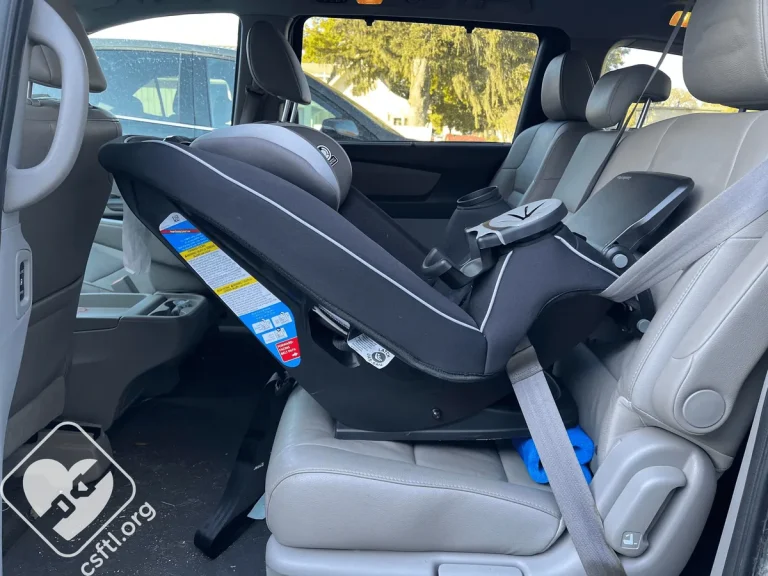
When Do Babies Switch Car Seats? Age and Weight Guide
You’re probably here because your baby’s legs are dangling over the edge of the infant seat, or because you’ve heard a hundred different opinions from family members. The question of when do babies switch car seats feels way more complicated than it should be. Here’s the short version: it’s not actually about a specific age.
It’s about matching your child’s size to the car seat’s limits.
We’ve researched the current guidelines from the American Academy of Pediatrics and the National Highway Traffic Safety Administration. As of 2026, the safest approach is to keep your child rear-facing in a convertible seat until they hit the maximum height or weight allowed by that specific seat. Most convertible seats on the market let kids stay rear-facing well past age two, and often up to 40 or 50 pounds.
Let’s walk through every step of the switch, so you know exactly what to do when that day arrives.

Quick Answer
When do babies switch car seats? It’s when they outgrow the current one. That’s based on height and weight, not age.
Infant seats usually last until 9 to 18 months. Forward-facing starts at age 2 or older. Booster seats come between ages 4 and 8.
Always check the car seat manual.
Why “When to Switch” Actually Confuses Every Parent
Ask five different parents when babies switch car seats and you might get five different answers. A neighbor will say they turned their kid at one. A cousin insists you can’t turn until four.
Your pediatrician might say to follow the law. It’s chaos.
The reason is that this topic sits at the messy intersection of state laws, seat manufacturer limits, and best-practice safety recommendations. On top of that, the word “switch” can mean two completely different changes. You switch from an infant seat to a convertible.
Then later you switch from rear-facing to forward-facing. Those are different decisions with different rules.
Understanding which switch you’re asking about is half the battle. The other half is ignoring the outdated advice that says age is the only thing that matters. It isn’t.
The Real Answer: It’s Not About Age, It’s About Measurements
Babies switch car seats when they outgrow their current seat’s limits. A child’s age matters only for minimum requirements. The manufacturer sets height and weight limits for every seat, and those limits are printed on a sticker on the side of the car seat.
Use measurements, not age, as your guide.
The American Academy of Pediatrics recommends keeping children rear-facing until they reach the highest weight or height allowed by their seat. As of 2026, many convertible seats allow rear-facing up to 40, 45, or even 50 pounds. That’s far beyond the old “age one and 20 pounds” standard that many of us grew up with.
Per the National Highway Traffic Safety Administration, the safest practice is to delay forward-facing until you absolutely can’t. That’s because rear-facing spreads crash forces across the whole back and neck, rather than stressing a fragile spinal cord. If you’re wondering exactly when you’re allowed to flip the seat, our safe flip tips on this page break down the rules in plain language.
Car Seat Types Explained — In the Order You’ll Actually Use Them
Before we talk about switching, we need a quick tour of the seats themselves. There are four main categories, and they overlap just enough to make everything confusing.
- Infant car seat: Rear-facing only. Comes with a carrier handle and a detachable base. Designed for newborns up to 30 or 35 pounds.
- Convertible car seat: Stays in the car full time. Used rear-facing first, then flips to forward-facing. Most allow rear-facing up to 40 or 50 pounds.
- All-in-one car seat: Combines rear-facing, forward-facing, and booster modes in a single seat.
- Booster seat: Positions the vehicle seat belt across the child’s chest and lap. No harness included.
The first switch for most families is from an infant seat to a convertible seat. Here’s a quick look at where each one fits:
| Seat Type | Rear-Facing? | Typical Limits | Best For |
|---|---|---|---|
| Infant | Yes | 30–35 lbs / up to 32″ | Newborns & small babies |
| Convertible | Yes at first | 40–50 lbs rear-facing | Toddlers |
| All-in-one | Yes at first | 40–50 lbs rear-facing | Families who want one long-lasting seat |
| Booster | No | 40–80 lbs | Kids too big for a harness |
Most parents start with an infant carrier because it’s portable and works well in the car. Then they switch to a convertible when the baby outgrows the carrier. That first switch usually lands between 9 and 12 months, but it really depends on the child’s height and the specific seat limits.
As they grow, you’ll also need to understand the forward-facing seat regulations so you don’t turn too early.
How to Tell If Your Baby Has Outgrown the Infant Seat
Your infant seat won’t suddenly stop working overnight. It will quietly become unsafe over time, and the signs are easy to miss if you’re not looking for them.
Here’s what to check every few weeks:
- The one-inch rule: If the top of your baby’s head is less than one inch from the top of the seat shell, it’s time to move. The rule is written in most manuals, and it’s the most common reason kids outgrow infant seats early.
- The weight limit: Most infant seats max out at 30 or 35 pounds. Once your child hits that number, even on a growth spurt, the seat is done.
- Harness slot position: When rear-facing, the harness straps should sit at or below your baby’s shoulders. If the lowest slot is now below the shoulders, the seat is too small.
One thing parents often miss is that the head rule matters even if the legs look fine. Hanging feet are perfectly normal. A child whose legs touch the vehicle seat doesn’t need to turn around.
That’s just the rear-facing position doing its job.
If you’re thinking about switching because your baby seems cramped, that’s not a safety reason. Comfort matters, but crash protection wins. Before you make the jump, read more about hand-me-down and used seats so you don’t accidentally pick up an expired or crash-affected replacement.
The First Switch: Moving to a Convertible Car Seat (Still Rear-Facing)
Here’s the biggest misconception of all: switching to a convertible seat does not mean switching to forward-facing. When you move your baby out of the infant carrier, you’re simply moving them into a bigger rear-facing seat.
Convertible seats sit more upright than infant carriers, so you need to get the recline angle right. Most convertible seats have a bubble level or an indicator line. For a baby under 6 months, use the most reclined position.
For older babies, you can set it more upright as long as the head doesn’t flop forward.
Installation is a little more work because the seat stays in the car. You’ll use either the lower anchors (LATCH) or the seat belt, and you’ll need to put your knee into the seat while you pull the straps tight. A properly installed rear-facing seat should not move more than one inch side to side at the belt path.
It’s also worth remembering that the harness chest clip should sit at armpit level. And no bulky coats under the harness. Tighter and thinner is warmer when you use a properly fitted harness.
If you’re already thinking ahead to the next step, you can check when you can safely turn a car seat forward later. For now, keep that seat rear-facing and celebrate the fact that you’ve just bought your child the safest possible ride.
The Second Switch: When to Turn Forward-Facing
Now we get to the question everyone actually searches for. When do babies switch car seats from rear-facing to forward-facing? The answer is simple: only after they outgrow the rear-facing limits on their convertible seat.
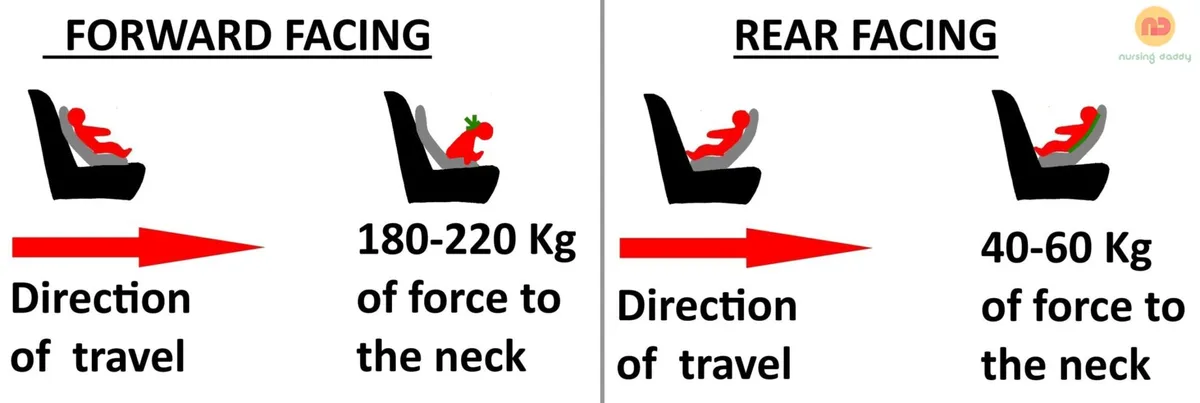
That means you ignore the age milestones you’ve heard about. The American Academy of Pediatrics, as of 2026, still recommends staying rear-facing until the seat’s maximum height or weight. For most convertible seats, that’s 40 to 50 pounds and several inches of headroom above the top of the head.
Here’s the if/then logic that clears up the confusion:
- If your child is under the rear-facing height and weight limit, keep them rear-facing. No exceptions.
- If your child has exceeded either limit, it’s time to turn forward-facing.
- If your child is over age 2 but under the limits, keep the seat rear-facing anyway.
Legs touching the vehicle seat or looking scrunched is not a reason to flip. Research has consistently shown that rear-facing kids are safer, even with their legs bent against the seatback. Leg injuries are rare and almost never serious.
Head and neck injuries in a frontal crash are much worse.
When you do make the switch, move the harness straps to the slots at or above the shoulders. Recline the seat a bit more upright than the rear-facing position, and always use the top tether strap. The tether reduces forward head movement in a crash by several inches, and it’s required for forward-facing installation.
If you’re still unsure about the exact age guidelines, our front-facing seat guidelines go deeper into state minimums and the safest waiting points.
The Final Switch: From Harness to Booster Seat
The third big transition is from a forward-facing harnessed seat to a booster seat. This one trips up a lot of parents because it’s about more than just age. The booster’s job is to position the vehicle seat belt properly across the chest and lap.
If the belt doesn’t fit right, a booster does nothing.
Here are the signs your child is genuinely ready:
- Age: At least 4 years old, though 5 or 6 is more common.
- Weight: Usually 40 to 65 pounds, depending on the seat.
- Height: Roughly 40 to 43 inches tall.
- Maturity: Your child must sit still, with the seat belt properly positioned, for every single ride. No slumping, no slipping the shoulder belt behind their back.
There’s also a simple test called the 5-step seat belt fit test. It checks whether the lap belt sits on the thighs, the shoulder belt crosses the collarbone, the child’s knees bend at the edge of the seat, their back stays flat against the seat, and they can stay that way the whole trip. If any of those fail, keep the harness.
High-back boosters are recommended when a vehicle has low seatbacks or no headrests. Backless boosters work fine in cars with proper head support. Either way, the transition to a booster is not a milestone to rush.
You can read more about the booster switch when you’re closer to that stage.
Common Mistakes That Make Car Seats Unsafe (Even When Installed “Correctly”)
Even parents who install seats perfectly make subtle errors that reduce protection. We’ve pulled the most common ones from verified safety checks and manufacturer guidance.
- Puffy winter coats: A thick coat compresses in a crash and leaves the harness too loose. The rule is to buckle first, then put blankets or a coat over the top.
- Loose harness straps: The harness should pass the pinch test. If you can pinch any fabric between your thumb and finger at the shoulder, it’s too loose.
- Chest clip too low: The clip should sit at armpit level, not on the belly. It keeps the straps positioned correctly.
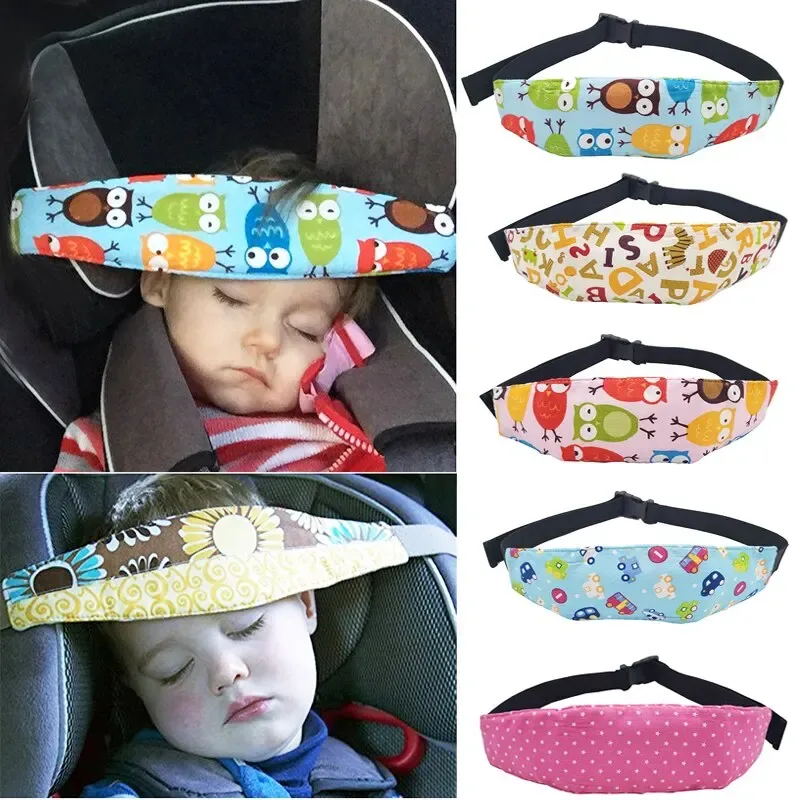
- Aftermarket accessories: Head supports, strap covers, and toys that didn’t come with the seat are not crash-tested. They can interfere with harness performance.
- Wrong recline angle: A rear-facing seat that’s too upright can cause the baby’s head to flop forward. Check the built-in level indicator.
- LATCH overuse: Many vehicles have a LATCH limit of 65 pounds total, including the child. After that, use the seat belt.
Another big one is moving between vehicles. Just because the seat clicks into your car doesn’t mean it’s installed correctly in grandma’s car. Every installation should be tight and checked with the same care.
If you’re comparing a used seat to save money, remember that seats with unknown crash history must not be used. We cover used seat risks in a separate guide, but the short version is this: if you don’t know its history, don’t risk it.
State Laws vs. Best Practice: What You Must Know Before Turning That Seat
Here’s where a lot of the confusion comes from. State laws set the legal minimum, which is way lower than what safety experts recommend. Failing a law is illegal.
Meeting the minimum is just barely legal.
For example, some states still allow forward-facing at age 1 and 20 pounds. But that’s the absolute floor, not a goal. The American Academy of Pediatrics and the National Highway Traffic Safety Administration both say to keep kids rear-facing to the seat’s limit, which is usually well past age 2.
The same gap applies to booster seats. Many states have a minimum age of 4, but best practice says to keep kids in a harness much longer. The 5-step seat belt fit test usually isn’t passed until age 8 to 12.
And most states require booster use only until age 7 or 8, leaving a huge gap between legal and safe.
If you want to know exactly what the law says in your area, check your state’s transportation department website. But here’s the important part: when a law and best practice disagree, follow best practice. The seat manufacturer’s limit is the real safety threshold.
We explain California’s car seat law history if you’re curious about how these rules evolved.
How to Get a Professional Car Seat Check (and Why You Should)
You can follow every manual instruction and still miss something. That’s why certified child passenger safety technicians exist. They’re trained to spot installation errors that most parents overlook.
A car seat check is a free or low-cost appointment where a technician inspects your installation, adjusts the seat if needed, and answers questions. They don’t just look at the seat. They check how it fits in your vehicle, whether the harness is snug, and whether the recline angle is correct.
To find one, search for “car seat check near me” through your local fire department, police station, or children’s hospital. Some places host monthly clinics. You can also locate a technician through the NHTSA’s car seat inspection locator.
It’s worth doing after any major transition. Get it checked when you install the convertible seat. Get another check when you turn it forward-facing.
Aggregate data from safety organizations shows that most car seats are used incorrectly, and a 20-minute check can fix issues you didn’t know you had. One common issue parents face on longer drives is motion sickness, which we cover in our car sickness guide, so it’s good to know that’s separate from seat safety and can often be managed with simple tricks.
Hand-Me-Down Seats and Expiration Dates: What to Check First
Hand-me-down car seats are tricky. They can save you money, but they come with hidden risks. The only safe used seat is one with a known, crash-free history.
Here’s what to check before accepting any used car seat:
- Expiration date: Most seats expire 6 to 10 years after manufacture. The date is stamped on the plastic shell.
- Crash history: If the seat was in any collision, even a minor fender bender, it’s no longer safe. Many organizations say a seat is done after any crash.
- Recalls: Check the NHTSA recall database for the model number before installing.
- Missing parts: A seat without its original manual, harness straps, or chest clip is a no-go.
- Visible damage: Cracks, frayed straps, or faded plastic mean the seat has degraded.
Manufacturer specs confirm that plastic weakens over time and with heat exposure. That’s why expiration dates exist. If you’re unsure about a used seat, the safest play is the recycling bin.
We go deeper into used car seat risks if you’re still on the fence.
Quick Reference Guide: Height, Weight, and Age for Each Transition
Use this table as a cheat sheet for every major car seat switch. It applies to typical convertible and all-in-one seats sold in the US.
| Transition | Minimum Age | Minimum Size | Best Practice |
|---|---|---|---|
| Infant seat to convertible | None | 5 lbs, about 19 inches | Move only when the head is under 1 inch from the top shell |
| Rear-facing to forward-facing | 1 year (law), 2 years (best practice) | 20+ lbs (law), 40+ lbs (best practice) | Stay rear-facing until the seat’s height or weight limit |
| Harness to booster | 4 years | 40 lbs | Keep the harness until the 5-step seat belt fit test passes |
| Booster to seat belt only | 8 years (varies by state) | 57 inches tall (4’9″) | Wait until the lap and shoulder belt fit perfectly without a booster |
The exact numbers differ by seat model, so always verify with the sticker on your car seat. State minimums are floors, not targets.
Frequently Asked Questions
When do babies switch from an infant car seat to a convertible?
It usually happens between 9 and 15 months. The baby outgrows the infant seat by height first. The one-inch rule is the fastest sign to check.
Can I turn my toddler forward-facing at 2 years old?
Only if they exceed the rear-facing weight or height limit. A 2-year-old who still fits under the limit stays rear-facing longer. That’s the safest option.
How do I know if my child is ready for a booster seat?
Check the 5-step fit test. The lap belt sits on the thighs. The shoulder belt crosses the collarbone.
The child’s back is flat against the seat, knees bent at the edge, and they stay still the whole ride.
Is it safe to buy a used car seat?
Only if you know its full history and it hasn’t expired. That means no crashes, no recalls, and no missing parts. If you can’t confirm those facts, avoid it.
What is the LATCH weight limit?
Most vehicles cap LATCH at 65 pounds total, including the child’s weight. After that, install using the seat belt and top tether. Check both your vehicle manual and the car seat manual for exact numbers.